How to Operate Diesel Forklift Properly for Lower Warehouse Fuel Cost
High fuel consumption is one of the biggest operational cost burdens for warehouse fleets running Diesel Forklift. Mastering the working principle and standardized operating rules is the key to stable, low-cost operation. Reasonable habits for Energy-saving Diesel Forklift operation can effectively cut invalid fuel loss, reduce long-term operating expenses and extend engine service life.
Internal Combustion Forklift Working Principle
A complete Diesel Forklift relies on four core systems for coordinated operation: power system, transmission system, hydraulic system and control system. The diesel engine converts thermal energy from fuel combustion into mechanical energy. Power is transmitted through the gearbox to drive wheels for travelling. Meanwhile, it powers the hydraulic pump to build stable pressure, realizing fork lifting, lowering and tilting actions.
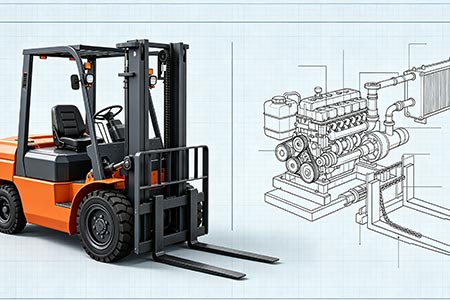
Core fuel-saving logic: The engine consumes fuel continuously during operation. Unnecessary idling, frequent revving and sharp acceleration generate massive invalid energy consumption. Fuel is wasted without creating effective working output, which explains why standardized operation greatly optimizes fuel efficiency.
Data sourced from the 2025 Industrial Vehicle Fuel Efficiency Test Report (tested under JB/T 11988-2014 industrial standard working conditions):
Standard smooth operation: 3-ton Diesel Forklift hourly fuel consumption: 3.2L–3.8L
Rough & aggressive operation: Same model reaches 4.5L–5.2L per hour, fuel consumption rises by 25%–35%
Long idle running and heavy-load sudden start-stop cause up to 40% invalid fuel loss
Standard Operation Rules for Energy-saving Diesel Forklift
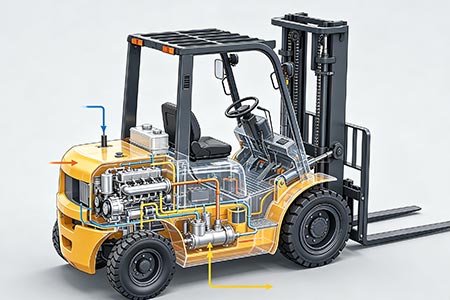
1. Minimize Invalid Idling
Shut down the engine if waiting time exceeds 1 minute. Long idle running burns diesel continuously with zero output. This single rule reduces over 15% of wasted fuel consumption and avoids engine carbon deposition.
2. Smooth Start & Constant-speed Driving
Sudden acceleration increases instantaneous fuel injection and causes incomplete combustion, leading to extra fuel waste and carbon accumulation. Predict site conditions, decelerate gently and avoid frequent start-stop cycles for stable fuel economy.
3. Strictly Prohibit Overload Operation
Overloading forces the engine to run under long-term high load and sharply raises fuel consumption. Plan transfer routes in advance to reduce empty return trips and repeated short-distance handling.
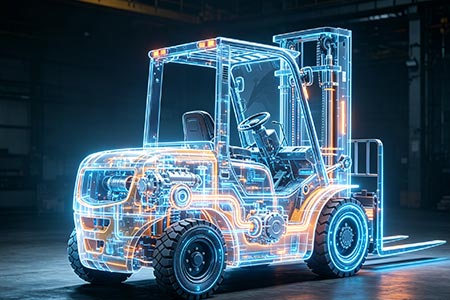
4. Match Hydraulic Actions Reasonably
Avoid full throttle while lifting forks slowly. Align engine speed with hydraulic lifting demands to eliminate idle power loss and improve overall working efficiency.
5. Adhere To Scheduled Maintenance
Clogged air filters, carbon-covered fuel injectors and insufficient tire pressure directly increase fuel consumption. Regular inspection and maintenance of power and hydraulic systems keep the Diesel Forklift in optimal energy-saving condition at all times.
Understanding the working principle and energy-saving operation skills helps operators fully control the fuel cost of Energy-saving Diesel Forklift. Standard daily operation minimizes unnecessary loss, lowers fleet operating costs and improves long-term equipment stability. Contact us for professional forklift operation guidance and technical support.
-
 Direct Source Factory for Small Electric Forklifts | NewnewtonBuying forklifts from source factories saves markup and speeds up after-sales service. Check qualifications carefully to distinguish real manufacturers from OEM traders.
Do you like ?0
Read more -
 5 Troubleshooting Reasons for Slow Lifting Speed of Electric ForkliftSlow fork lifting is a common electric forklift fault. Check battery voltage, hydraulic oil, filter, pump and multi-way valve to quickly locate the root cause.
Do you like ?0
Read more -
 Lithium-ion Warehouse Forklift Brands Review, Advantages and DisadvantagesLithium forklift brands vary greatly, including major manufacturers, original factories and dealers. Compare Heli, Hangcha, Noblift, BYD to select models matching your budget.
Do you like ?0
Read more -
 Price Reference of Hydraulic Dock Leveler for Warehouse Loading BayHydraulic dock levelers include fixed and mobile types with large price gaps. Load capacity, steel and hydraulic systems are key factors to consider for procurement.
Do you like ?0
Read more -
 Charging & Storage Taboos for Lithium-ion Double Pallet Electric TruckLithium battery double pallet trucks suffer heavy discharge under load. Follow charging, storage and operation rules to slow cell aging and cut replacement costs.
Do you like ?0
Read more -
 High-level Stacking Safety Notes for Electric Three-way ForkliftThree-way electric forklifts face collision and falling risks in narrow aisles. Follow standard operating procedures for pre-check, traveling, stacking and finishing to ensure warehouse safety.
Do you like ?0
Read more