What to Note When Using Lithium Electric Forklifts in Cold Storage
Continuous low temperature, high humidity and frost are common inside cold storage. If ordinary lithium-ion warehouse electric forklifts are directly put into operation, batteries and electrical components will age rapidly. Many warehouses only focus on load capacity and ignore hidden risks brought by low-temperature conditions, resulting in frequent breakdowns and reduced inbound and outbound efficiency. It is necessary to master cold storage forklift precautions.
Lithium batteries are highly sensitive to temperature changes. Low temperature in cold storage reduces battery activity and causes temporary capacity attenuation. Extra attention should be paid during charging. Do not charge lithium batteries inside the cold storage. Move the forklift to an area with normal temperature and let it warm up before charging. Charging at low temperature will damage battery cells and shorten the overall service life of batteries.
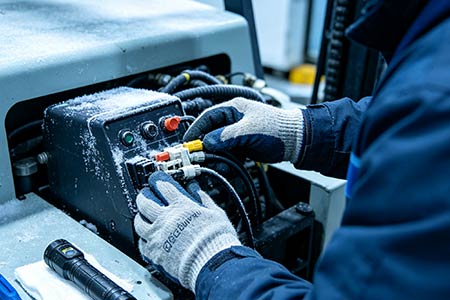
After each operation, do not park the forklift inside the cold storage for a long time. It is better to park it in a normal-temperature machine room to reduce condensation on electronic controls and wiring harnesses.
Before operation, focus on checking the electrical connectors of the vehicle. Huge temperature difference between inside and outside cold storage leads to condensation. The connectors tend to get damp. Check for ice and water seepage, and verify that brakes, lights and lifting functions respond normally before starting work.
Even if the forklift is equipped with special low-temperature lithium batteries, it must work within the temperature range specified by the manufacturer. Avoid long-time high-intensity continuous operation in ultra-low temperature areas.
For operation, thin ice easily forms on cold storage floors and reduces friction, which extends the braking distance of the forklift. Keep low driving speed, and slow down actions for starting, steering and fork lifting. Emergency braking and sharp turning should be forbidden to prevent cargo falling or vehicle skidding. Check ice accumulation on forks and rollers and clear ice regularly during operation intervals, as ice scale will affect lifting performance.
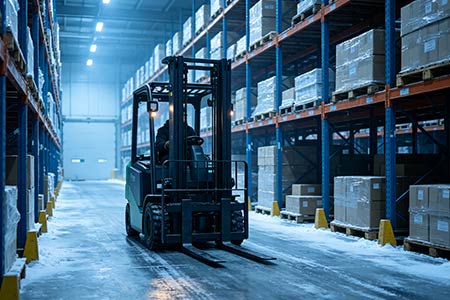
Daily maintenance should adapt to cold storage working conditions. Regularly remove frost and water from the vehicle body and battery shell, and check whether the harness sheath hardens or cracks. Low temperature accelerates the aging of rubber parts. Special lubricating grease for cold storage should be adopted. Ordinary lubricating oil will increase viscosity at low temperature and cause jamming of hydraulic systems, increasing equipment wear.
For purchasing and using lithium-ion warehouse electric forklifts in cold storage, models with overall low-temperature protection on batteries, electronic controls and hydraulic systems are recommended for stable long-term operation. If you plan to buy warehouse equipment for cold storage, tell us the minimum temperature and daily working hours of your cold storage to get suitable model recommendations.
-
 Newnewton Forklift: Source Factory with Independent Manufacturing CapacityOverseas buyers prefer real manufacturers over resellers. Newnewton Forklift is a direct factory with full in-house production, custom service and complete export certifications for warehousing equipment.
Do you like ?0
Read more -
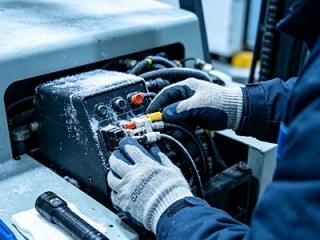 What to Note When Using Lithium Electric Forklifts in Cold StorageLow temperature and frost in cold storage age lithium electric forklift components. Adopt cold-resistant models and standardize charging and operation to stabilize warehouse handling and reduce breakdowns.
Do you like ?0
Read more -
 4 Delivery Capabilities to Evaluate Warehouse Forklift Export FactoriesFor bulk overseas warehouse procurement, multiple suppliers bring high communication costs and messy documents. Evaluate manufacturers by four capacities: full product supply, export docs, customization and after-sales spare parts.
Do you like ?0
Read more -
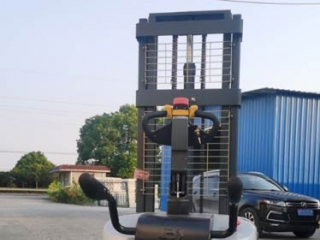 Stand-on Warehouse Stacker: Racking Matching & Core StrengthsRide-on electric stackers feature compact size and flexible steering. They fit multiple rack types including beam, narrow aisle and shelving racks to boost warehouse operational efficiency.
Do you like ?0
Read more -
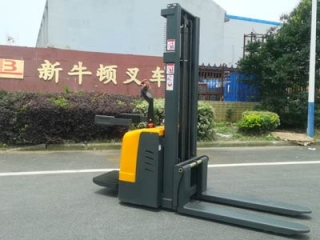 3 Parameters to Check if Double Fork Stand-on Stacker Fits Euro PalletsForeign trade warehouses often ignore pallet compatibility when purchasing ride-on double-fork stackers. Check fork width, fork length and ground clearance to fit EU pallets and avoid operation failures.
Do you like ?0
Read more -
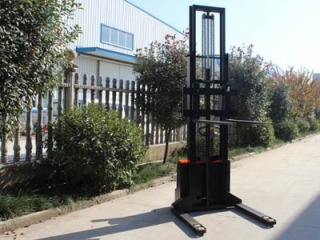 Advantages of Walk-behind Electric Stacker with Adjustable LegsAdjustable leg electric stackers flexibly adapt to various pallet sizes. The compact walking design solves messy pallet specifications and reduces warehouse equipment procurement costs.
Do you like ?0
Read more