
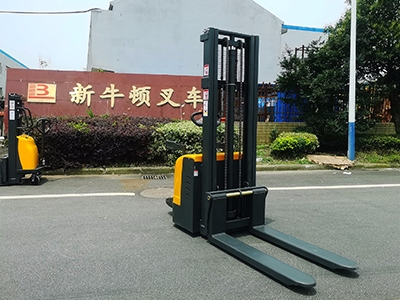
Walk behind forklift is an industrial handling vehicle powered by an electric motor and a battery as an energy source. It refers to various wheeled handling vehicles for loading and unloading, stacking, stacking and short-distance transportation of palletized goods. The International Organization for Standardization ISO/TC110 is called Industrial Vehicles. walk behind forklift includes: all-electric stacker, semi-electric stacker, forward-moving stacker, forward-moving all-electric stacker, forward-moving stacker, walking counterweight stacker. electric forklift manufacturers remind that there are many types of electric forklifts, and we also have important choices.
With the improvement of the national economic situation, walk behind forklift has become popular in our country. Now some supermarkets will also have walk behind forklift. There are quite a lot of them in our public view, but it is not only used in supermarkets. In the small industry of my country, our electric forklift manufacturers are almost in many places, they are widely used in factory workshops, warehouses, circulation centers and distribution centers, ports, stations, airports, cargo yards, etc., and can enter the cabin Loading, unloading and handling of palletized goods in carriages, carriages and containers. It is an indispensable equipment for pallet transportation and container transportation.
During the use of walk behind forklift, special attention should be paid to the timely charging of the battery and the correct maintenance of the battery. When charging the battery, pay attention to the method, not only to make the battery fully charged, but not to cause the battery to be overcharged; when the battery is in a state of deficient power, the battery should be recharged several times, and then it can return to normal; check the battery frequently. Whether the distilled water is sufficient, if it is not enough, it should be replenished in time. Electric forklift manufacturers remind us that we must pay attention to safety when using all-electric forklifts.
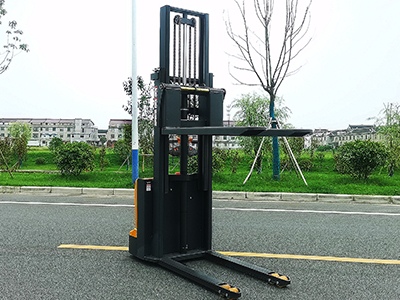
Maintenance of electric stacker, the maintenance of electric stacker is the most important link in the use of stacker. Generally speaking, after the (full/half) electric stacker runs for one week, it should be carried out a routine Maintenance, the efficiency and life of the (full/half) electric stacker will be extended.
-
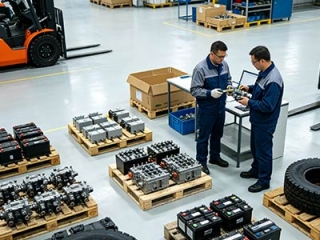 5 Strict Inspection Stages of Newnewton Forklift Before DeliveryForklift factory inspection determines equipment stability. Taizhou manufacturers adopt five testing procedures from parts sampling to full-load tests for reliable quality.
Do you like ?0
Read more -
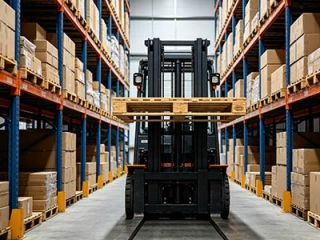 Introduction to Straddle Leg Function of Stacker and Damage ImpactsSupport legs are core load-bearing structures of stackers. They prevent tipping, bear loads and guide pallets, requiring daily maintenance for safe operation.
Do you like ?0
Read more -
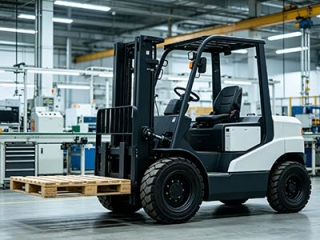 3 Sets of Workshop Narrow Aisle Forklift Solutions from Forklift ManufacturerNarrow workshop aisles limit handling efficiency. Professional forklift manufacturers provide three forklift solutions for different narrow aisle working conditions.
Do you like ?0
Read more -
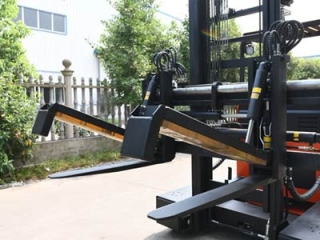 6 Steps to Learn Standard Operation of Full Electric Four-way ForkliftFull-electric four-way forklifts handle long materials with vertical and horizontal travel. Standardize six operating procedures to avoid operational risks.
Do you like ?0
Read more -
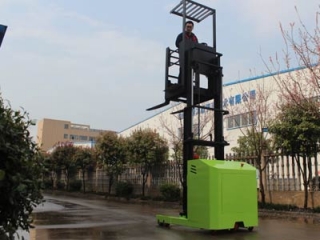 Electric order picker vs manual order picker, warehouse order pickerWhen choosing order pickers, compare electric and manual models from efficiency, workload, scenarios, cost and safety to match your warehouse working conditions.
Do you like ?0
Read more -
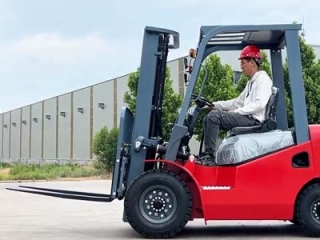 What Items Can Be Customized for Diesel Forklift OEM ServiceFor diesel forklift OEM, clarify customizable ranges to avoid delivery deviation. Factories support logo, mast, cabin and document customization.
Do you like ?0
Read more








