Hand‑Operated Forklift | Manual Hydraulic Stacker Warehouse Selection Guide
For many small and medium‑sized light‑duty warehouses with low stacking frequency, manual handling is labor‑intensive and inefficient. A well‑chosen manual hydraulic stacker delivers cost‑effective performance to ease daily goods stacking. Below are practical selection tips for purchasing a proper hand operated forklift according to real‑world working conditions.
Pay attention to load capacity first. Do not select a model whose rated load exactly matches your regular cargo weight. Occasional overloading or offset cargo placement will force the hydraulic system to work under full load, accelerating wear of cylinder seals and causing pressure loss or unexpected fork descent. For light‑duty storage, 1 ton or 1.5 ton units are widely used. Reserving reasonable load margin helps extend equipment service life.
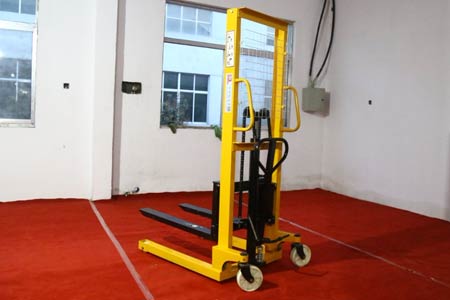
Lifting height is another essential factor determined by your rack height. Besides maximum lifting height, do not overlook the minimum fork ground clearance. On uneven floors or with low‑base racks, insufficient clearance will make forks scrape ground and rack bases during movement.
Hydraulic components and build quality greatly influence later maintenance frequency. Poor‑quality stackers suffer frequent pump oil leakage and heavy cranking resistance, increasing operators’ physical burden. Check cylinder craftsmanship and welding joints; rough welds tend to deform under long‑term stress.
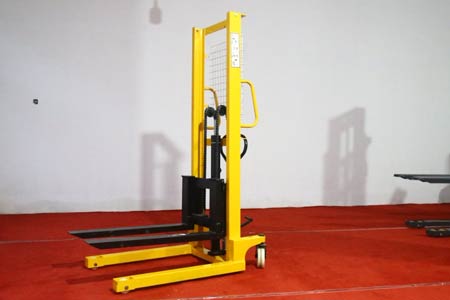
Wheel types also deserve attention. Polyurethane wheels work well on epoxy floors with low noise and floor protection. Nylon wheels feature superior wear and impact resistance for harsh sites with scattered debris. In addition, confirm fork width to fit your standard pallets. Improper fork spacing may lead to tilted or slipping pallets and bring safety risks.
To sum up, selecting a suitable hand operated forklift should not rely merely on price. Always make decisions based on actual warehouse conditions to guarantee real cost‑effectiveness. Feel free to contact us for customized equipment solutions.
-
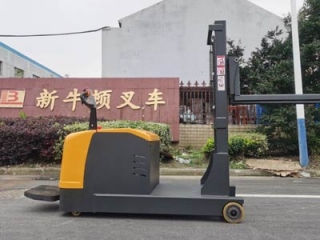 Stand‑On Counterbalance Stacker | OEM Custom ManufacturerStand‑on counterbalance stackers support OEM customization for special conditions. Differentiate simple branding from structural modification and confirm BOM list and delivery lead time.
Do you like ?0
Read more -
 Semi‑Electric Stacker | Buying Guide & Configuration ComparisonSemi‑electric stackers are cost‑effective for medium‑frequency stacking. Verify load margin, battery specs and mast workmanship to avoid false marking and insufficient battery runtime.
Do you like ?0
Read more -
 Hand‑Operated Forklift | Manual Hydraulic Stacker Warehouse Selection GuideManual hydraulic stackers feature low‑cost for light‑duty warehouses with low stacking frequency. Check load margin, lifting height and components to prevent potential faults and safety risks.
Do you like ?0
Read more -
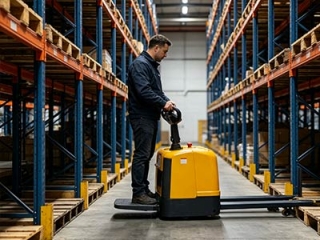 Stand‑On Electric Pallet Truck | Narrow Aisle Warehouse Buying TipsNarrow‑aisle pallet trucks suit old warehouses. Do not only refer to theoretical data; calculate actual aisle width, load margin and battery setup to avoid idle equipment waste.
Do you like ?0
Read more -
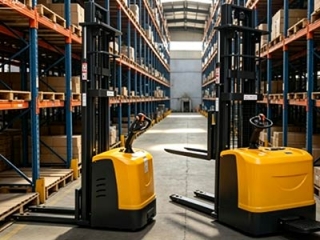 Walk‑Behind vs Stand‑On Electric Stacker | Core Differences & SelectionThere are obvious differences between pedestrian and stand‑on stackers. Choose according to warehouse aisle and daily workload for intermittent or high‑frequency operations.
Do you like ?0
Read more -
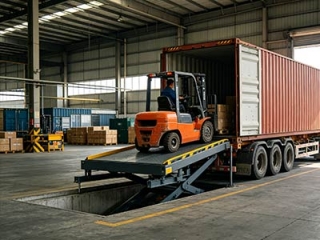 Hydraulic Dock Leveler | Four Types of Hydraulic Dock RampFour hydraulic dock ramp types for different scenarios. Wrong selection causes installation failure. Match civil‑work status and loading frequency to pick proper dock leveler.
Do you like ?0
Read more