What Faults Are Prone to Walk-behind Straddle Stacker | Troubles & Solutions
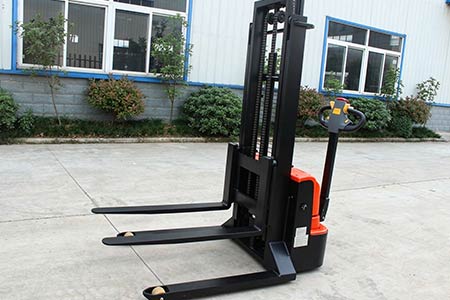
What faults may occur on walk-behind straddle stacker? Walk-behind straddle stacker faults often disrupt daily warehouse operations. Walk-behind electric straddle stacker delivers reliable performance in warehouse applications, yet failures may still happen after continuous use. Unexpected breakdowns of walk-behind straddle stacker in the middle of handling work will disrupt warehouse material circulation. Recognizing typical walk-behind straddle stacker faults ahead of time and taking preventive measures can cut downtime and efficiency losses.
Weak fork lifting usually originates from the hydraulic circuit. Degraded hydraulic oil, insufficient oil level or aging leaking seals will reduce hydraulic pressure, making the forks lift slowly or unable to carry loads. Check the cylinder surface for oil marks during routine inspection, and replace qualified hydraulic oil periodically to slow the wear of sealing parts.
Intermittent traveling power, sudden start and stop, mostly relates to electrical connections. Wire connectors get loose under continuous vibration, and oxidized battery terminals cause unstable power supply. Walk-behind electric straddle stacker often works in dusty warehouses, and accumulated dust speeds up terminal oxidation. Clean terminals and tighten loose plugs before each shift to lower the risk of open circuits.
Brake failure or brake sticking belongs to critical safety issues. Extended operation wears brake pads and shifts brake adjustment clearance, resulting in insensitive braking or stuck brakes. Test braking performance briefly before work. Adjust clearance or replace brake pads promptly once slow response appears, removing potential safety risks.
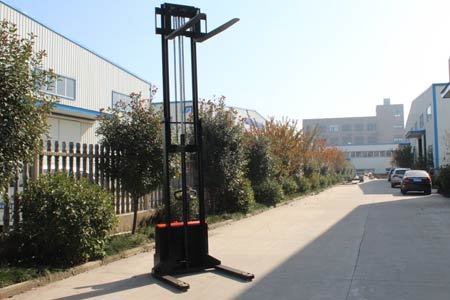
Abnormal noise and deformation on outriggers are unique faults for walk-behind straddle stacker. The straddle outrigger structure is built to fit different pallet sizes. Heavy loads on uneven ground create metallic noise, and repeated overloading will bring permanent deformation. Operate on flat ground and never exceed rated load to protect outriggers from excessive stress.
Unresponsive buttons on the control panel are caused by dust and moisture seeping inside, or aging internal contacts from frequent pressing. Avoid long operation in humid conditions. Wipe the control panel only with dry cloth; never rinse the electronic control area directly with water.
Grasping these five troubleshooting and prevention tips helps you respond rapidly when walk-behind electric straddle stacker meets faults, keeping warehouse handling efficient. For complicated malfunctions hard to fix on site, turn to professional maintenance technicians for service.
-
 How Is Electric Forklift Brand Ranking Calculated | Selection Tips for BuyersElectric forklift brand rankings lack unified evaluation standards. They mainly refer to sales volume, quality control, after-sales network and user reviews, so rankings cannot be the sole purchasing basis.
Do you like ?0
Read more -
 How to Source Internal Combustion Forklifts From Reliable ManufacturersAvoid judging internal combustion forklifts by unit price only for bulk orders. Evaluate factory qualification, production capacity, spare parts and delivery terms to prevent delays and quality risks.
Do you like ?0
Read more -
 Stand-on Electric Double Pallet Stacker Quotation Tips, Avoid Pricing PitfallsMany buyers only compare rated load and base price when inquiring electric double pallet stackers. Watch out for hidden extra charges, pallet fit and battery warranty to avoid later troubles.
Do you like ?0
Read more -
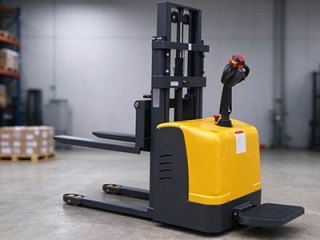 Do You Need a Forklift License for Stand-on Electric Stacker | OperatorWhether a stand-on electric stacker requires an N1 forklift certificate depends on its classification as special factory vehicle. Clarify regulatory rules and avoid safety penalties in warehouse operations.
Do you like ?0
Read more -
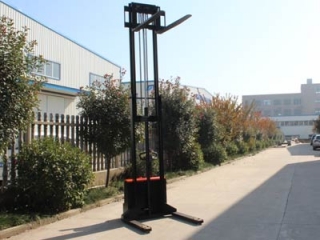 What Faults Are Prone to Walk-behind Straddle Stacker | Troubles & SolutionsPedestrian straddle stackers face various failures in warehouse operations. Check 5 common faults including weak lifting, power cut-off and brake jamming, and use pre-shift maintenance to reduce downtime.
Do you like ?0
Read more -
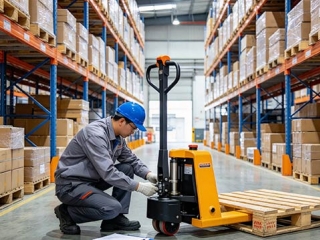 Hydraulic Hand Pallet Truck Working Principle & Cylinder Component BreakdownThe lifting function of hydraulic pallet jacks depends on the built-in oil cylinder with four core components. Familiarize with the internal structure and working principle to efficiently troubleshoot common faults such as pressure relief falling and weak lifting.
Do you like ?0
Read more