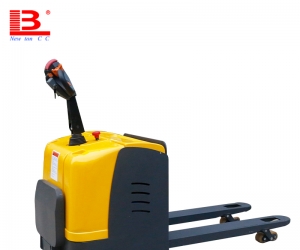
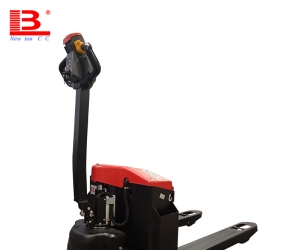
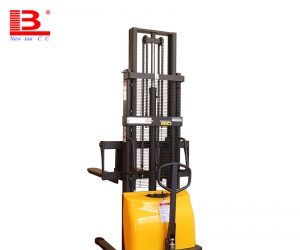
Many warehouse managers confuse walkie electric stacker drive wheel and support wheel when purchasing stacker spare parts. Wrong selection affects equipment operation, accelerates wear and brings potential safety risks. The two wheels differ greatly in function, stress position and structure, so they should be distinguished during part procurement.
The drive wheel is the travelling power component of the walkie electric stacker. The motor connects directly to the drive wheel, generating friction to push the truck forward and backward. It bears main driving force and requires good grip and wear resistance. It usually has wider width with specially formulated rubber. Anti-slip patterned drive wheels are recommended for dusty or wet warehouse floors to avoid slipping. Worn drive wheels cause weak movement, offset starting and abnormal shaking noise.
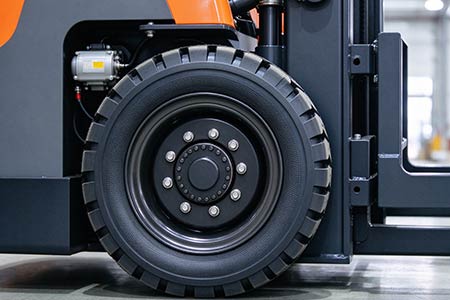
The support wheel, also known as balance wheel, has no power output. It supports the truck body, maintains running stability and shares lateral force to prevent tipping. It is not connected to the motor and is normally smaller than the drive wheel, balancing the machine during turning and stacking. Heavily worn support wheels lead to body shaking and unstable steering, raising risks during high-level stacking.
These two wheels also have different replacement cycles. The drive wheel continuously rubs against the ground and bears torque, so it wears faster and belongs to frequently replaced spare parts. The support wheel only takes lateral supporting load and has longer service life under normal working conditions, requiring only regular inspection.
The two wheels cannot be interchanged. Their mounting holes and dimensions do not match. Forced assembly will damage the wheel bracket and motor.
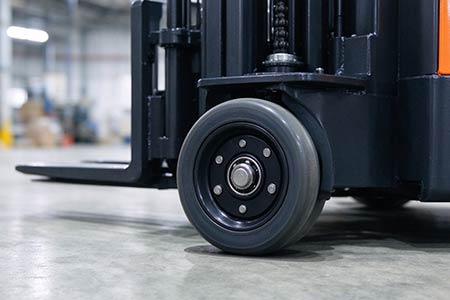
When selecting replacement wheels, match rubber hardness according to warehouse floor conditions. Different rubber suits epoxy and concrete floors. Tear-resistant rubber is preferred for floors with metal debris. Regular maintenance should check wear patterns of drive wheels and clearances of support wheels. Replace them promptly if cracks or thinning appear to guarantee stable operation.
There are clear differences between electric stacker support wheel and drive wheel. Do not mix them up during procurement and replacement. You can provide your stacker model, and we will match the correct spare part specifications.
-
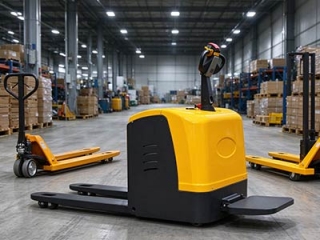 Newnewton Warehouse Forklift from Forklift Manufacturing FactoryNewnewton is a direct warehouse forklift manufacturer supplying full-range material handling equipment. It supports custom builds, lithium/lead-acid options, factory testing and CE certification for export orders.
Do you like ?0
Read more -
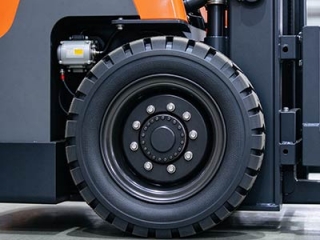 Walkie Electric Stacker Drive Wheel & Support Wheel GuideWhen buying walkie electric stacker parts, distinguish drive wheels and support wheels. Drive wheels deliver power and wear faster. Match sizes and inspect wear regularly for warehouse safety.
Do you like ?0
Read more -
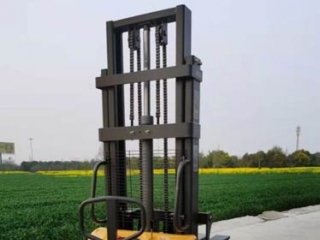 Semi Electric Stacker Quotation & Procurement TipsAvoid buying semi-electric stackers by price only. Evaluate load capacity, lift height, battery type and working conditions. Choose reliable factories with guaranteed warranty and customized services.
Do you like ?0
Read more -
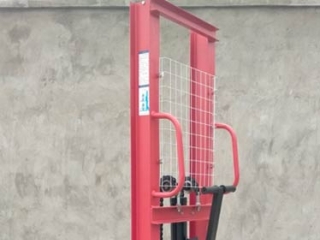 How to Choose a Reliable Manual Forklift ManufacturerChoose direct manufacturers for manual hydraulic pallet trucks to avoid stock shortages and delayed delivery. Newnewton offers in-house production, spot goods, factory inspection and CE certification for domestic and export purchases.
Do you like ?0
Read more -
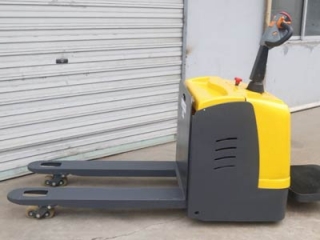 Lithium Ride-on Pallet Truck vs Lead Acid Model: Warehouse Buying GuideLithium & lead-acid ride-on electric pallet trucks are popular warehouse options. Compare runtime, service life, cost and environment to pick based on shifts and budget.
Do you like ?0
Read more -
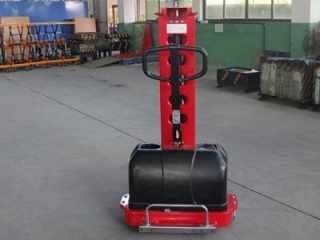 How Much Does an Electric Truck Mounted Forklift CostElectric truck-mounted forklift installs on truck tail for one-person loading. Prices range from 3000 to 6000 USD, check high lift load derating before purchase.
Do you like ?0
Read more