Walkie Electric Pallet Jack: Rated Load vs Actual Load Capacity
Many buyers confuse the rated load marked on the nameplate with the actual load capacity when selecting a walkie electric pallet truck. They find power and stability fail to meet expectations under heavy loads after delivery, which is a common mistake in warehouse equipment selection. What is the rated load of walkie electric pallet truck?
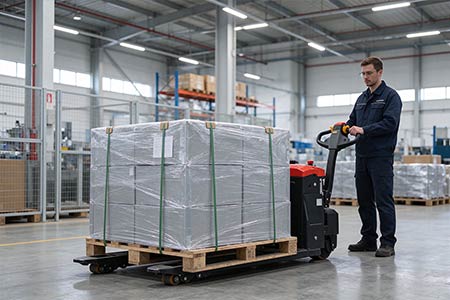
Rated load refers to the safe load calibrated under standard working conditions. It is set by manufacturers based on structure design, hydraulic system and motor parameters, and it does not mean the machine can run at full load under all circumstances. Standard walkie electric pallet trucks on the market are mainly available in 1.5 ton, 2 ton, 2.5 ton and 3 ton versions. The 2-ton model is the most popular for foreign trade orders.
There is a clear gap between rated load and actual load capacity. The rated load is valid only when the load center meets the standard, the ground is flat and solid, forks fully go into the pallet and cargo gravity stays centered. Once working conditions change, the safe actual load capacity will decrease.
Take a typical warehouse scenario as an example. If the cargo center of gravity moves forward beyond the specified load center, the truck may experience tail lifting and difficult steering even if the total weight is lower than the rated load. If the ground has slopes or potholes, or pallets are overlong and goods are stacked on one side, the safe working load should be further reduced. Environments such as cold storage and humid workshops reduce wheel friction, and continuous full-load operation is not recommended.
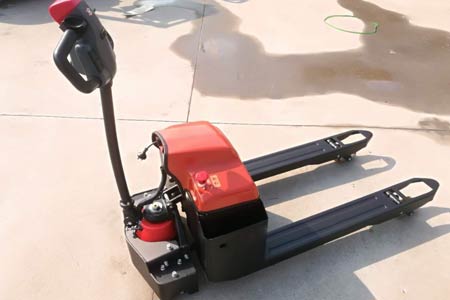
You should not judge only by the rated load figure when purchasing walkie electric pallet jack. It is advisable to reserve load margin for stable long-term operation instead of continuous full-load work. newnewton walkie electric pallet jacks come with clear nameplate parameters. Hydraulic parts and drive motors are matched according to corresponding load grades. We can recommend proper load specifications based on your warehouse conditions to prevent extra cost from over-sizing or insufficient capacity from under-sizing.
-
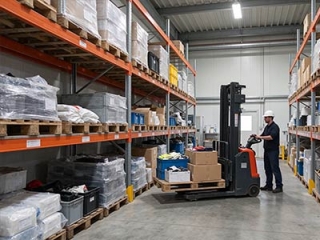 Semi-Electric Stacker for Factory Warehouse, Low-Lift Semi-Electric StackerSemi-electric stackers with electric lift and manual push are easy to operate. Ideal for production lines, cold rooms and low-height stacking tasks.
Do you like ?0
Read more -
 Light Manual Hydraulic Stacker for Small Warehouse Low-Frequency Stacking1t manual stacker fits small hardware & e-commerce warehouses with tight budgets. No charging or license needed for low-frequency stacking. Check lift margin and floor condition.
Do you like ?0
Read more -
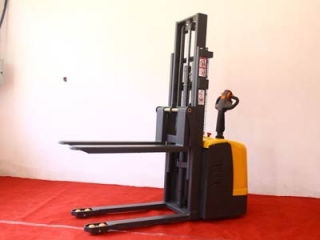 Standard Workflow of Special Stand-on Stacker for Pallet StackingNew operators struggle with stand-on electric stackers. Follow standard procedures, pre-shift inspection and low-speed travel to cut mistakes and learn fast.
Do you like ?0
Read more -
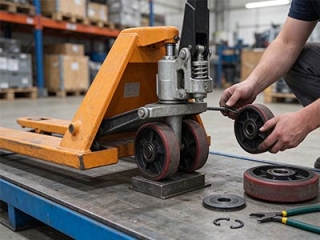 Maintenance Tips: Change Load Wheels and Steering Wheels of Pallet JackWheels of manual pallet trucks are wearing parts. PU wheels crack and jam easily. Load and steering wheels differ in disassembly. Match parts and test after replacement.
Do you like ?0
Read more -
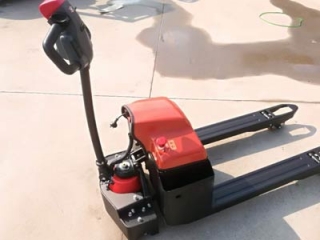 Walkie Electric Pallet Jack: Rated Load vs Actual Load CapacityMany buyers mix rated load and actual load of walkie pallet trucks. Load capacity drops with changed ground, center of gravity and pallets. Reserve load margin for safe selection.
Do you like ?0
Read more -
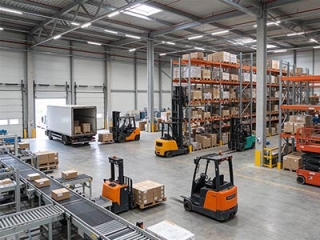 Full Product Range of Newnewton Forklift for Warehouse Handling SolutionsNewnewton forklifts cover five series for transport, stacking and offloading. Customization and export services are available for diverse warehouse applications.
Do you like ?0
Read more