
Many warehouse operators encounter slow and sluggish vertical movement during daily handling. If you are searching for how to fix slow lifting on walk-behind stacker, this professional troubleshooting guide covers all common failures, causes and practical solutions to help you resolve lifting delays quickly.
1. Hydraulic System Failures (80% of All Faults)
The hydraulic system is the primary inspection item for a defective full electric walk-behind stacker. Abnormal hydraulic oil, clogged filters and damaged accessories are the main causes of slow lifting.
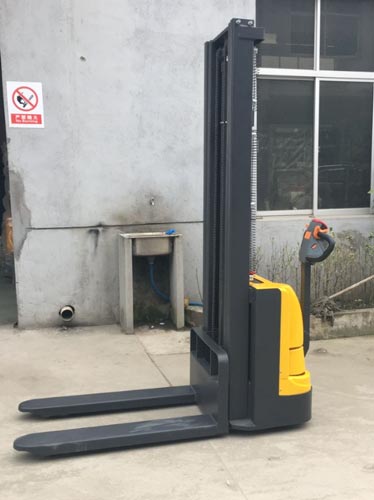
Abnormal Hydraulic Oil
Symptoms: Overall slow lifting speed, obvious stuttering during low-temperature operation. Causes: Insufficient oil level, deteriorated fluid or mismatched oil viscosity blocks normal oil circulation. Solutions: Refill hydraulic oil to standard level; replace deteriorated, black or emulsified hydraulic fluid and clean the oil tank. Apply low-temperature resistant hydraulic oil for cold storage working environments.
Blocked Oil Filter
Symptoms: Unstable lifting speed, obvious speed drop under loaded conditions. Causes: Dust and oil sludge block suction and return filters, resulting in insufficient oil supply. Solutions: Clean clogged filters regularly. Replace damaged or aging filter elements. It is recommended to perform maintenance every 1 to 2 months.
Faulty Hydraulic Pump & Valve Body
Symptoms: Normal lifting with no load, extremely slow lifting and abnormal noise under heavy load. Causes: Internal pump wear, stuck spool and insufficient pressure relief valve setting. Solutions: Adjust system pressure within the rated range; clean multi-way valves; replace the hydraulic pump or valve assembly if internal components are severely worn.
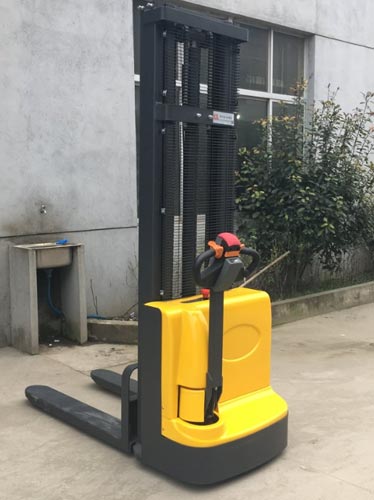
Oil Pipe & Seal Leakage
Symptoms: Slow lifting with visible oil stains on cylinders or hoses. Causes: Aging hoses and worn oil seals lead to continuous pressure leakage. Solutions: Tighten pipe joints and replace cracked hoses; disassemble the cylinder and install new sealing parts to stop leakage.
2. Electrical & Power System Problems
Unstable power output will indirectly weaken lifting performance and cause slow responses for the walk-behind stacker.
Underpowered & Aging Battery
Symptoms: Normal speed when fully charged, gradually slower lifting and rapid power drop after long operation. Causes: Cell aging, increased internal resistance and unstable voltage output. Solutions: Charge the battery before operation; replace aged battery packs with severely decayed capacity. Avoid over-discharging to extend battery lifespan.
Damaged Lifting Motor
Symptoms: Sluggish lifting movement and dull motor operating noise. Causes: Worn carbon brushes, aging coils and lack of bearing lubrication. Solutions: Replace worn carbon brushes, add grease to bearings; arrange professional maintenance for burnt motor coils.
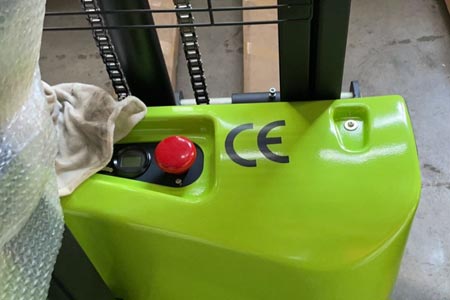
Poor Circuit Connection
Symptoms: Unstable lifting speed and delayed start-stop reaction. Causes: Loose terminals, oxidized contacts and humid wiring affect signal transmission. Solutions: Polish and fasten all wiring terminals; clean dust inside the control box and handle; enhance waterproof and moistureproof protection.
3. Mechanical Stuck Issues
Sticky Mast Guide Rail
Symptoms: Friction noise during lifting, asynchronous mast movement and excessive lifting resistance. Causes: Dust accumulation, worn rollers and insufficient lubrication. Solutions: Clean foreign debris, adjust roller clearance and apply specialized lubricating grease.
Unbalanced Chain Tension
Symptoms: Shaking during lifting and inconsistent lifting speed on both sides. Causes: Uneven chain tension, rust and lack of lubrication. Solutions: Adjust dual-side chain tension symmetrically; remove rust and refill lubricant; replace severely rusted chains directly.
4. Daily Preventive Maintenance Schedule
Daily: Check oil level, battery power and oil leakage; test empty-load lifting performance.
Weekly: Clean mast and filter dust; lubricate guide rails, chains and rotating shafts.
Monthly: Fasten wiring terminals, inspect oil seals and test overall hydraulic pressure.
Quarterly: Replace hydraulic oil and filters; conduct deep inspection for motors and batteries.
In conclusion, mastering the above troubleshooting and maintenance methods can effectively solve slow lifting failures of electric walk-behind stackers, reduce downtime and greatly improve your warehouse handling efficiency.
-
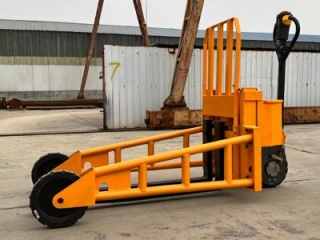 Off-road Walk-behind Pallet Truck: Ideal for 8 Types of Outdoor SitesRegular pallet jacks slip on rough roads? Off-road models with raised chassis and thick tires suit complex sites for efficient outdoor transport.
Do you like ?0
Read more -
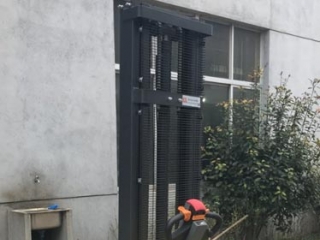 Full Electric Walk-behind Stacker: How to Fix Slow Lifting IssuesSlow lifting on walk-behind stackers? Troubleshoot hydraulics, electrics and mechanics. Follow repair & maintenance tips to restore efficiency fast.
Do you like ?0
Read more -
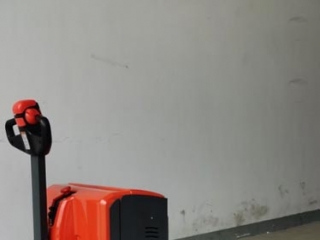 1 Ton Electric Pallet Truck | Newnewton Factory Direct SaleWorried about middlemen markup? Visit Newnewton’s factory directly. 1t electric pallet jack, compact for narrow aisles, lithium/lead-acid optional, reliable quality & full after-sales.
Do you like ?0
Read more -
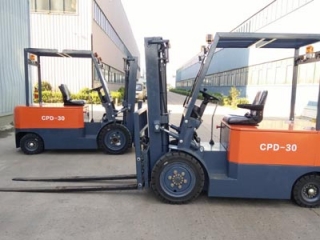 Lithium vs Lead-acid Forklift: How to Choose the Right ForkliftDon't just focus on upfront cost. Lithium forklifts cost more initially yet save hugely on 5-year operation, energy and maintenance.
Do you like ?0
Read more -
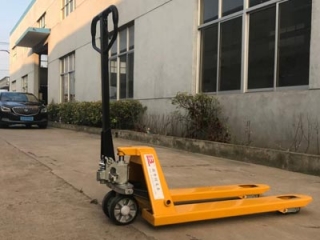 Buy Right, Use 10 Years! 2026 Best Hand Pallet Truck BrandsPoor-quality manual pallet jacks leak oil and break axles, risking safety. 2026 brand tiers: international, domestic, factory-direct. Choose by budget & usage.
Do you like ?0
Read more -
 Wrong Capacity = Risk! How to Choose Scissor Lift Load CapacityNever overlook load capacity when choosing aerial work platforms. Calculate total load with safety margin to avoid risks.
Do you like ?0
Read more








