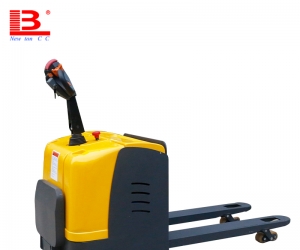
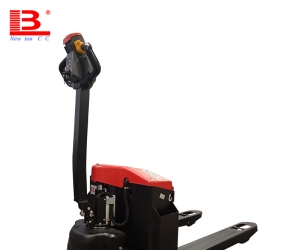
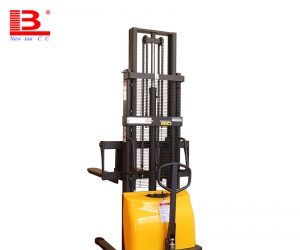
There are several misunderstandings about the operation of self loading stacker
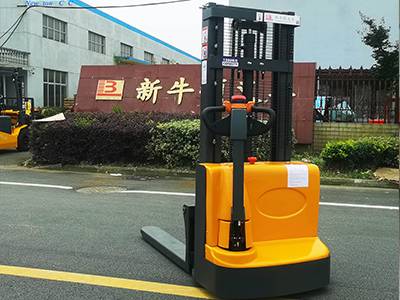
There are several misunderstandings about the operation of self loading stacker:
Self loading stacker are the most commonly used tools in handling operations, so many users ignore the operating specifications of self loading stacker. Often fall into some misunderstandings in use, so what are some misunderstandings about the operation of self loading stacker?
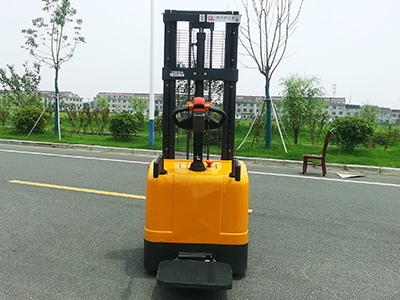
When loading goods, the fork distance of the electric hydraulic forklift should be adjusted according to the size of the goods. The weight of the cargo should be shared equally by the two forks of the self loading stacker to avoid partial load or side slippage of the cargo when the self loading stacker is operating. When the forks of the self loading stacker lift and exit the pallet, the fork wall should be in contact with one side of the cargo, and then the mast of the self loading stacker should be tilted backward, and the fork should be lifted from the ground about 200mm before driving.
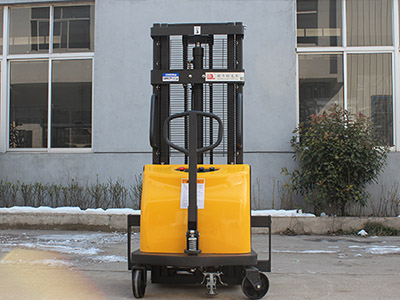
Self loading stacker need to be careful when handling goods. Unsafe or unstable loading of storage and handling forklifts is not allowed. Pay attention to safety and stability when stacking goods to prevent the self loading stacker from overturning and overturning. If the self loading stacker is loading, and the front line of sight is blocked, please reverse the vehicle. Do not use defective or damaged pallets, which are prone to accidents. Pay attention to placing the tray in a dedicated area and do not place it randomly. When driving an self loading stacker, you must slow down when turning and sound the horn to warn to prevent collisions. When the self loading stacker lifts the pallet, pay attention to the lifting height, because this will also affect the stability of the self loading stacker. At the same time, attention should be paid to avoid damage to the electric forklift caused by heavy load operations. When working continuously for a long time, you should pay attention to adjusting the rest time; if the load capacity of the electric hydraulic forklift is insufficient, a larger electric hydraulic forklift must be replaced without overloading.
-
 Stand-on Double Pallet Stacker Pros & Cons For High Throughput WarehouseIn high-turnover e-commerce warehouses, stand-on electric double pallet stackers carry two pallets at once to boost outbound efficiency. Check aisle space before purchase as the machine has a wider body.
Do you like ?0
Read more -
 Newniudun Forklift OEM Service, Taizhou Newniudun ForkliftBuilding your own forklift brand does not require self-built production lines. OEM manufacturing is ideal for traders. newnewton forklift provides equipment OEM, logo customization, export certification and stable supply.
Do you like ?0
Read more -
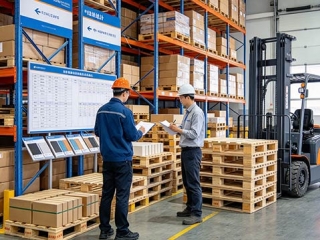 3 Core Rules for Small Warehouse Forklift SelectionMany buyers blindly pursue high load and lifting parameters for forklifts. Small warehouses need forklifts matched by aisle space, cargo demands and full-cycle costs for proper operation and budget control.
Do you like ?0
Read more -
5 Forklift Selection Tips for Small EnterprisesSmall enterprises often focus only on forklift unit prices and ignore actual warehouse conditions, leading to unusable equipment. Select suitable forklifts from five dimensions: aisle, cargo, environment, maintenance and certification.
Do you like ?0
Read more -
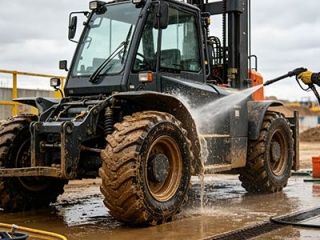 4WD Rough Terrain Forklift For Muddy Construction Site, Anti-stuck Off-road ForkOrdinary forklifts slip and get stuck on muddy post-construction sites. 4WD off-road forklifts with upgraded tires and high chassis adapt to unhardened ground for stable outdoor material handling.
Do you like ?0
Read more -
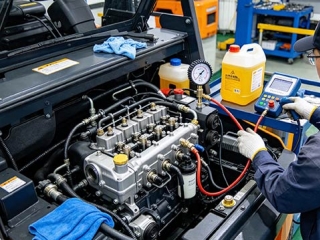 3 Steps To Troubleshoot Black Smoke Of Fuel Forklift, Reduce Equipment LossBlack smoke from fuel forklifts results from insufficient combustion and worsens engine wear and fuel consumption. Troubleshoot the air intake, fuel system and engine conditions to eliminate smoke faults efficiently.
Do you like ?0
Read more