
In today's logistics, warehousing and transportation field, manual hydraulic pallet trucks are a key tool, and their convenience and flexibility play a vital role in handling work. However, with so many options available on the market, it's important to choose a truck that is durable for your specific application. Here are a few things you need to pay special attention to during the selection process:
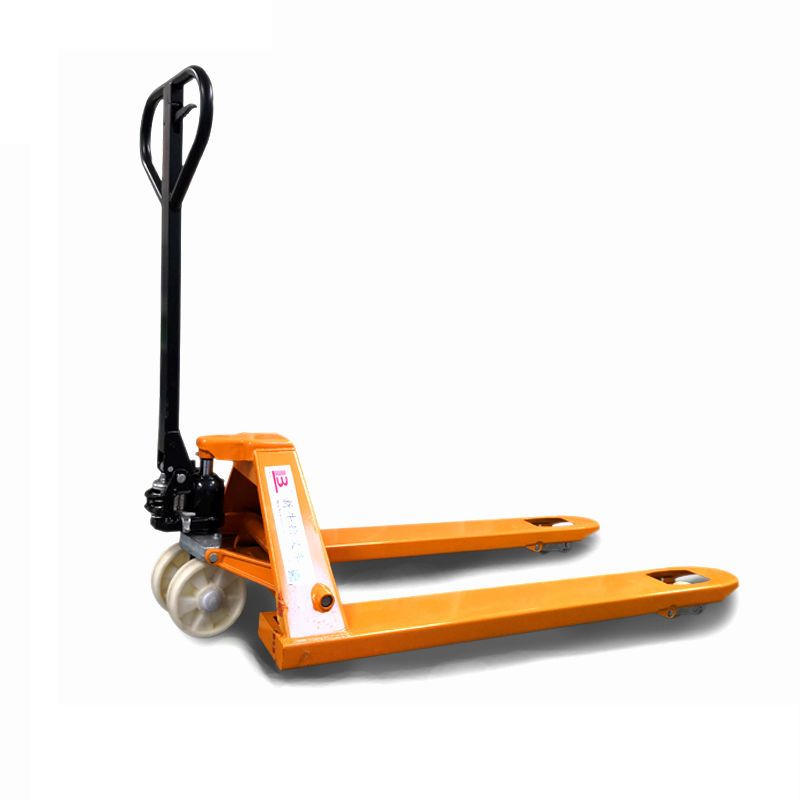
In summary, when choosing a manual hydraulic pallet truck, users need to consider the above factors comprehensively to ensure that the selected equipment can accurately match the actual work needs and provide long-term reliable performance. The right choice not only improves work efficiency, but also ensures operator comfort and safe delivery of goods.
Tonnage matching: The carrying capacity of manual hydraulic pallet trucks is calibrated by tonnage, and there are usually options such as 1 ton, 2 ton, and 3 ton. Before making a decision, consider the weight of the cargo, which is common in handling tasks, to ensure that the vehicle's performance matches the load demand, while ensuring the safety of the handling process.
Cylinder Decisions: When choosing a cylinder, one-piece pumps are often superior to welded pumps due to the advantages of integral casting, such as tightness and durability. Although the cost of the integrated pump is slightly higher, it is more cost-effective, especially when considering the long-term use value.
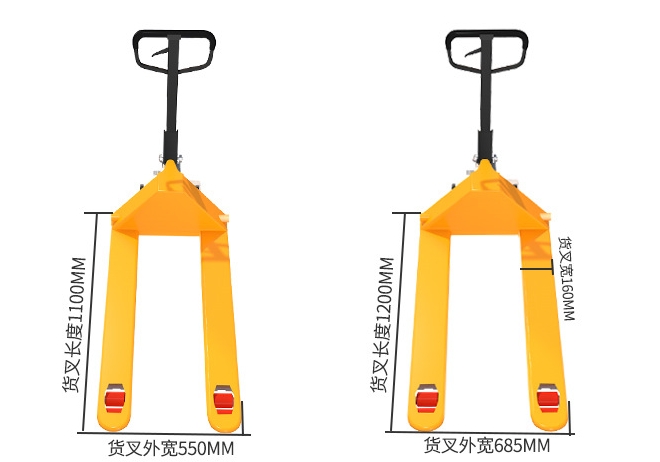
Fork width factor: The fork width depends on the pallet size. If general-purpose, the wide fork (685mm) is better balanced than the narrow fork (550mm). Always make sure that the forks are sized appropriately for the internal aisles and load placement.

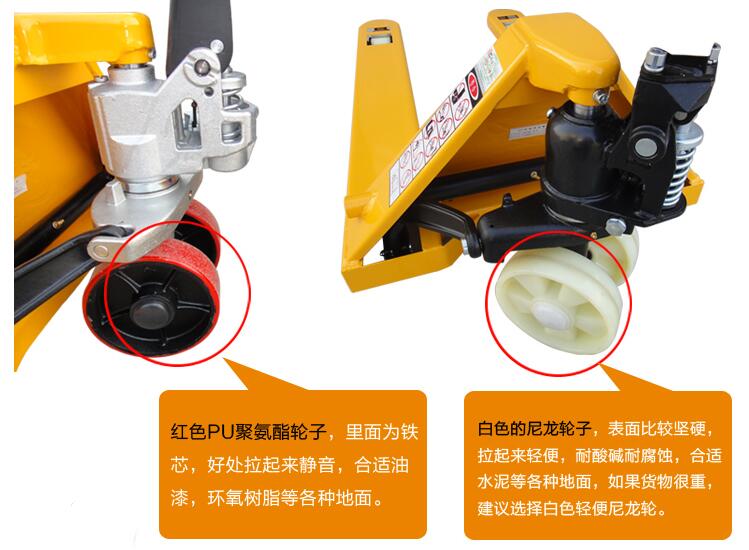
Wheel Material: Depending on the working environment, nylon wheels are suitable for rough cement floors, while PU wheels have better wear resistance and are suitable for smooth surfaces such as marble or epoxy floors.
Bearing capacity and compressive resistance: Pay attention to the material and thickness of the steel plate of the vehicle, such as Q253B Ninggang material, high hardness and thick structure, which can improve the stability of the vehicle and prolong the service life.
Performance Parameter Studies: Examine indicators such as the number of fork lifts, low and high lift heights, which affect efficiency and adaptability, and ensure that the vehicle selected can meet specific height and load requirements.
Personalization: Finally, taking into account the company's branding elements, such as customizing the color of the manual hydraulic pallet truck and displaying the logo, will not only enhance the corporate image, but may also be in line with the operator's work preferences
-
 How Much Does a Counterbalance Electric Stacker CostWalkie counterbalance stackers have wide price gaps from specs, batteries, controls and options. Watch out for downgraded parts and hidden charges on low-price quotes.
Do you like ?0
Read more -
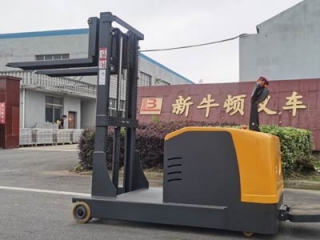 Narrow Aisle Stand-on Counterbalance Electric Stacker From newnewtonStand-on counterbalance stackers have no front legs to avoid pallet jamming and rack collision. It handles closed-bottom special pallets for compact old warehouse renovation.
Do you like ?0
Read more -
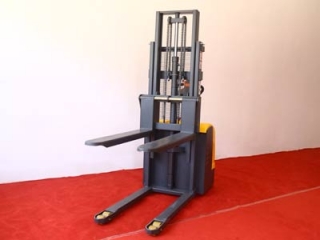 Stand-on Electric Double Pallet Stacker: Work Efficiency ComparisonStand-on double pallet stackers suit high-output warehouses. It carries two pallets at once for higher efficiency in wide aisles, not for narrow aisles or order picking.
Do you like ?0
Read more -
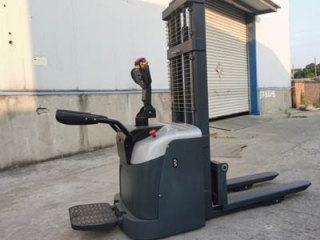 Stand-on Electric Pallet Stacker: How to Pick the Right BrandStand-on electric stackers vary by brand tiers. Avoid judging by brand only. Evaluate load, aisle, shifts and after-sales to cut long-term operation costs.
Do you like ?0
Read more -
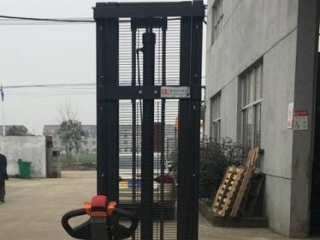 Adjustable Leg Walk-behind Electric Stacker for Multiple Pallet TypesAdjustable leg walkie straddle stackers fit mixed pallets. Variable leg width works for single/double-faced pallets, compact and stable for warehouses with mixed pallet sizes.
Do you like ?0
Read more -
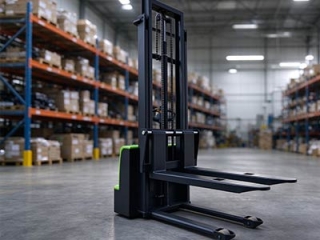 How Long Is the Runtime of an Electric Walk-behind StackerWhen warehouse customers select walkie electric stackers, battery life is a key concern. Lithium and lead-acid batteries differ greatly in runtime, charging speed and low-temperature performance.
Do you like ?0
Read more








