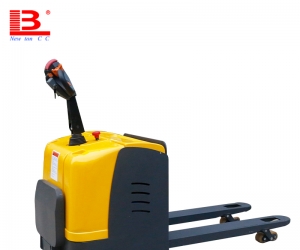
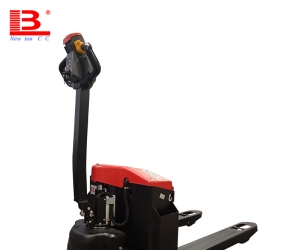
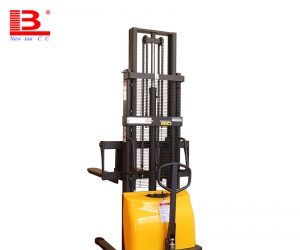
What Is The Maximum Load Capacity Of Stand-on Counterbalance Stacker? Spec Guide
Before purchasing a Stand-on Counterbalance Stacker, you need to master its complete technical specifications. This prevents two common issues: insufficient load capacity leading to low efficiency, or over-spec forklifts wasting your procurement budget. Mastering load parameters helps you select the model perfectly matching your working conditions.
Standard Mass-produced Load Tonnages
Mass-produced standard models fall into four grades: 1000kg, 1200kg, 1500kg and 1800kg. The 1.5-ton model is the best-selling universal version, suitable for most small and medium heavy-load warehouses.
Custom Maximum Load Capacity for Stand-on Models
Professional domestic forklift manufacturers can customize reinforced counterweights and thickened masts. The upper load limit of stand-on structure reaches 2000kg (2 tons).
Load Boundary Division
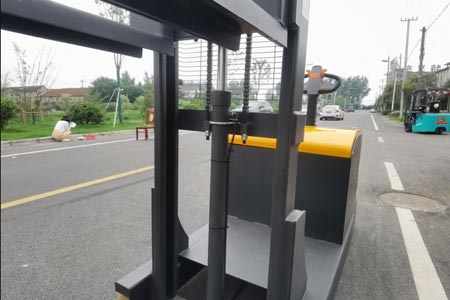
If your single pallet cargo consistently exceeds 2 tons, the Stand-on Counterbalance Stacker is not recommended. Restricted by overall vehicle weight and limited counterweight space, it lacks stability during high-lift heavy-load operations. You should switch to four-wheel ride-on electric counterbalance forklifts instead.
Key Parameter: Load Attenuation Corresponding To Lifting Height
Counterbalance stackers rely on rear counterweights for stability. The higher the lifting height, the lower the effective load capacity, a critical specification often overlooked by buyers:
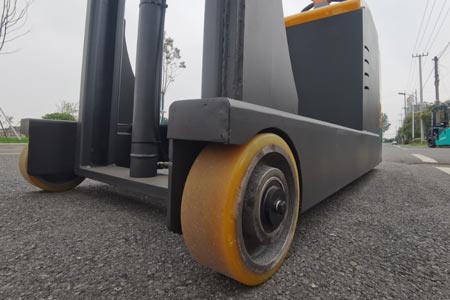
Lifting height ≤3m for low racks: Full rated load capacity available
3.5m–4m medium racks: Actual load capacity drops by 15%–20%
Lifting height over 4m high masts: Load attenuation reaches up to 30%
Example: The customized 2-ton model only delivers a safe effective load of 1.4 tons when lifted to 4m. For high-level heavy-load scenarios, you must select one tonnage higher to reserve safety margin.
Applicable Scenarios for Each Load Model
1 ton & 1.2 ton: Small spare parts, light cartons, e-commerce single-sided pallets, low-level storage under 3m lifting height
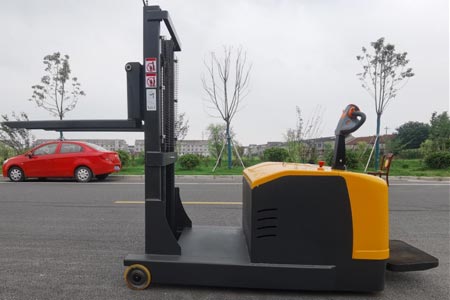
1.5 ton standard model: Hardware raw materials, medium & small molds, general heavy finished goods warehouses with wide versatility
1.8 ton reinforced model: Pipes, packed heavy goods, lifting height limited within 3.5m
2 ton customized model: Heavy molds, small steel workpieces, only for low stacking below 4m, not applicable for ultra-high racks
Now you have a clear answer to the question: What Is The Maximum Load Capacity Of Stand-on Counterbalance Stacker. Feel free to contact us for further consultation or other technical specifications.
-
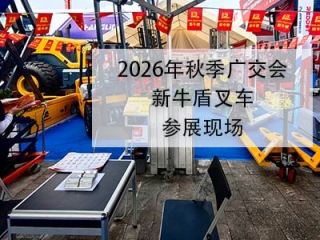 Newnewton Forklift Export, Canton Fair Electric Warehouse Forklift ManufacturerAt the 140th Canton Fair, Newnewton displays full electric warehouse equipment, including cold storage and explosion-proof models with CE, OEM and export support.
Do you like ?0
Read more -
 Electric Forklift Factory Direct Quotation, Warehouse Handling EquipmentSame model electric forklifts have varied quotes due to different configurations. Provide load, lift, working conditions and certifications for accurate direct factory pricing.
Do you like ?0
Read more -
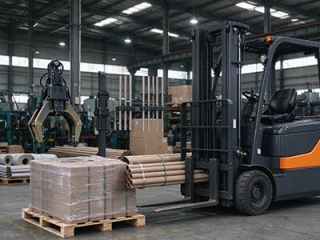 5 Common Working Scenarios for Customized Warehouse Forklift SolutionsStandard forklifts fail to fit special warehouse conditions. The factory offers customization for narrow aisles, cold rooms, explosion-proof and outdoor heavy-load scenarios.
Do you like ?0
Read more -
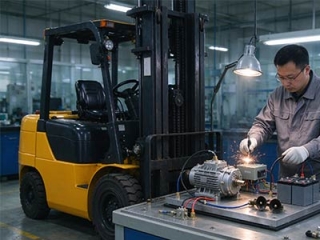 What Tests Are Conducted Before Explosion Proof Forklift DeliveryExplosion-proof forklifts are for flammable and dusty warehouses. They pass strict tests on structure, electrics, temperature and hydraulics before delivery.
Do you like ?0
Read more -
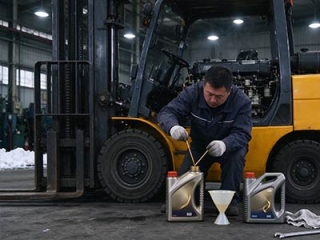 How to Maintain Internal Combustion Forklift in Cold WinterInternal combustion forklifts suffer hard starting and fuel icing in cold weather. Maintain fuel, oil, battery and cooling systems for winter use.
Do you like ?0
Read more -
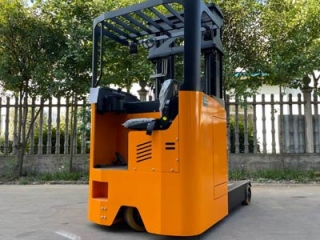 2 Ton Sit-down Reach Stacker, Sit-on Electric Reach Stacker2-ton seated reach stackers fit narrow aisle high rack warehouses. Its extending mast works for two-shift stacking; watch aisle size and high lift capacity deration.
Do you like ?0
Read more