
Electric stacker is a kind of storage equipment that uses battery power as energy and motor as power. It is mainly divided into two types: full electric stacker and semi electric stacker. Its main function is to lift heavy objects to the required height. It is generally used in warehouses, workshops and other places that need logistics handling. When used with pallets, it can greatly improve the efficiency of storage.
The editor has previously introduced why companies choose semi electric stackers more than full electric stackers. So, as a professional semi electric stacker factory, today I will talk to you about the characteristics of semi-electric push carts.
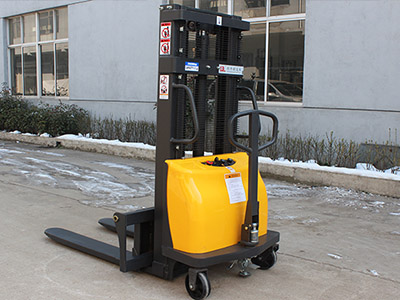
Semi electric stacker mainly has the characteristics of simple structure, flexible control, good micro-movement, suitable for operations in narrow passages and limited space, and is an ideal equipment for loading and unloading pallets in high-bay warehouses and workshops. The semi electric stacker produced by our semi electric stacker factory also features easy operation, safe and stable parts such as explosion-proof valves, and durable batteries. Using the new rear axle structure makes the structure of the semi electric stacker more reasonable. The overall material of the cart, the hydraulic station and other equipment are all made of high-quality domestic brands, and they are strictly controlled in terms of quality. The body is relatively small, the operation is flexible and convenient, and it will not feel too laborious even if it is driven by human power. The most important thing is that some important parts, such as brake system, chain, explosion-proof valve, etc., are made of safe and reliable materials or equipment, which greatly improves the safety of semi-electric carts in actual use.

In addition, the maintenance of the semi electric stacker is also a link that cannot be ignored. Under normal circumstances, the semi electric stacker needs to be routinely maintained every week of operation. If you find that the internal parts are abnormal or even need to be replaced, please remember to contact the semi electric stacker factory to replace the more matching parts for you to ensure the quality of use in the future.
Finally, semi electric stacker factory still wants to remind you that when purchasing a suitable electric pusher, you should conduct a comprehensive evaluation according to the actual operation function, operation requirements, working environment of your enterprise, etc., and choose the most reasonable purchase plan.

-
 How Much Does a Counterbalance Electric Stacker CostWalkie counterbalance stackers have wide price gaps from specs, batteries, controls and options. Watch out for downgraded parts and hidden charges on low-price quotes.
Do you like ?0
Read more -
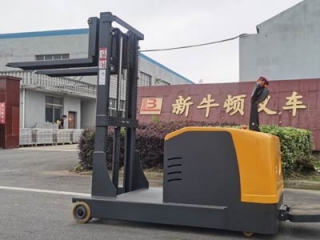 Narrow Aisle Stand-on Counterbalance Electric Stacker From newnewtonStand-on counterbalance stackers have no front legs to avoid pallet jamming and rack collision. It handles closed-bottom special pallets for compact old warehouse renovation.
Do you like ?0
Read more -
 Stand-on Electric Double Pallet Stacker: Work Efficiency ComparisonStand-on double pallet stackers suit high-output warehouses. It carries two pallets at once for higher efficiency in wide aisles, not for narrow aisles or order picking.
Do you like ?0
Read more -
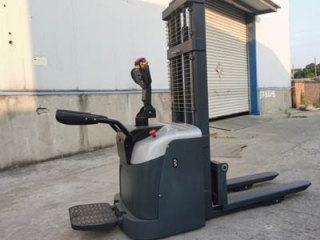 Stand-on Electric Pallet Stacker: How to Pick the Right BrandStand-on electric stackers vary by brand tiers. Avoid judging by brand only. Evaluate load, aisle, shifts and after-sales to cut long-term operation costs.
Do you like ?0
Read more -
 Adjustable Leg Walk-behind Electric Stacker for Multiple Pallet TypesAdjustable leg walkie straddle stackers fit mixed pallets. Variable leg width works for single/double-faced pallets, compact and stable for warehouses with mixed pallet sizes.
Do you like ?0
Read more -
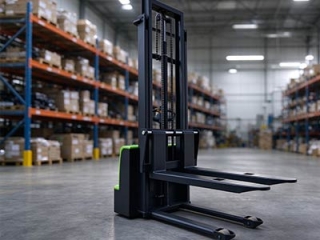 How Long Is the Runtime of an Electric Walk-behind StackerWhen warehouse customers select walkie electric stackers, battery life is a key concern. Lithium and lead-acid batteries differ greatly in runtime, charging speed and low-temperature performance.
Do you like ?0
Read more








