Which Is Better: Self-propelled Scissor Lift Or Mobile Manual Lift?
If you plan to buy aerial lifting equipment, you may wonder which one works better between self-propelled scissor lift and manual mobile platform. We compare them from multiple dimensions so you can make a quick decision to raise work efficiency and cut operating costs.
Push-around Mobile Scissor Lift
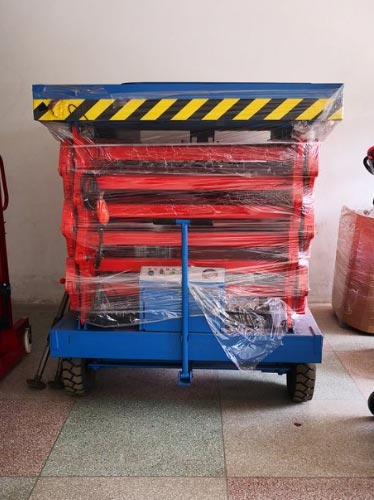
It has no electric driving system. Lifting is finished manually or electrically, and the whole machine must be pushed manually. Advantages: Light weight, low price and slim body. It can pass easily through narrow passages.
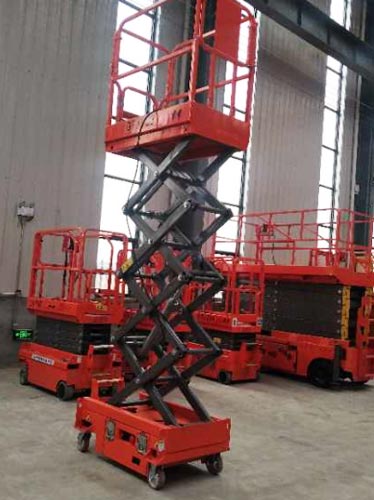
Disadvantages: Labor-intensive for long-distance transfer in large factories. Moving the machine wastes plenty of manpower. Best for: Small retail shops, fixed single-point operation, rare relocation and tight budget projects.
Self-propelled Aerial Work Platform
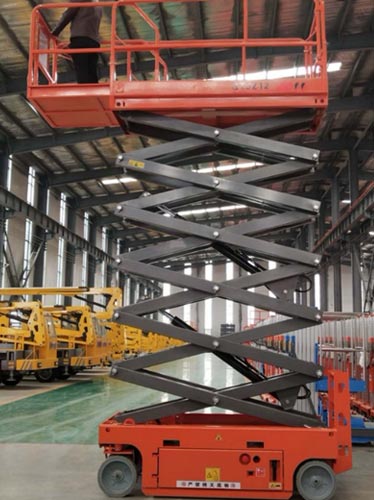
Equipped with drive motors. It can travel and turn on the spot even when the platform is raised, with no manual pushing required. Advantages: One operator controls driving freely. It greatly speeds up multi-site maintenance and factory renovation. Some models support climbing and zero-radius turning. Disadvantages: Heavier overall weight and higher purchase price than push-around models. Best for: Large workshops, logistics warehouses, factory refurbishment and continuous multi-point high-altitude work.
1. Working Efficiency
Short-distance fixed-point operation: Mobile push-around scissor lift is adequate with better cost performance. Frequent back-and-forth inspection and large-area construction: Self-propelled platform doubles working efficiency and saves labor from repeated moving.
2. Site Adaptability
Narrow aisles, elevator transportation and light cleaning tasks: Choose lightweight push-around scissor lift. Open workshops with flat floors and multi-area continuous work: Pick the Self-propelled Aerial Work Platform with built-in drive for effortless operation.
3. Labor & Long-term Cost
Mobile manual lift: Low upfront cost, yet two workers are needed for frequent relocation, leading to high long-term labor expense. Self-propelled scissor lift: Higher initial investment, but only one person is needed for both driving and lifting, bringing significant labor savings in long-term use.
In conclusion, both lifting equipment have their own merits. You need to choose reasonably according to your actual working conditions instead of making a hasty decision.
-
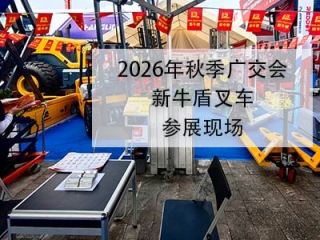 Newnewton Forklift Export, Canton Fair Electric Warehouse Forklift ManufacturerAt the 140th Canton Fair, Newnewton displays full electric warehouse equipment, including cold storage and explosion-proof models with CE, OEM and export support.
Do you like ?0
Read more -
 Electric Forklift Factory Direct Quotation, Warehouse Handling EquipmentSame model electric forklifts have varied quotes due to different configurations. Provide load, lift, working conditions and certifications for accurate direct factory pricing.
Do you like ?0
Read more -
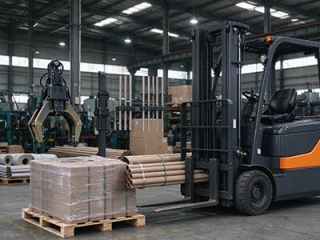 5 Common Working Scenarios for Customized Warehouse Forklift SolutionsStandard forklifts fail to fit special warehouse conditions. The factory offers customization for narrow aisles, cold rooms, explosion-proof and outdoor heavy-load scenarios.
Do you like ?0
Read more -
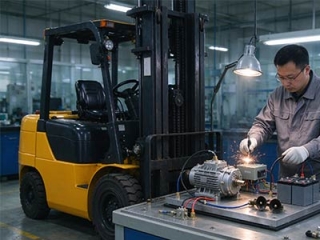 What Tests Are Conducted Before Explosion Proof Forklift DeliveryExplosion-proof forklifts are for flammable and dusty warehouses. They pass strict tests on structure, electrics, temperature and hydraulics before delivery.
Do you like ?0
Read more -
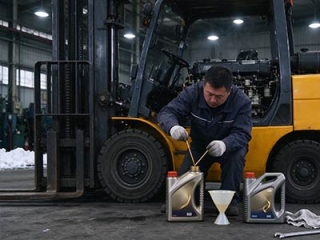 How to Maintain Internal Combustion Forklift in Cold WinterInternal combustion forklifts suffer hard starting and fuel icing in cold weather. Maintain fuel, oil, battery and cooling systems for winter use.
Do you like ?0
Read more -
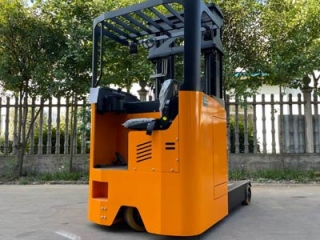 2 Ton Sit-down Reach Stacker, Sit-on Electric Reach Stacker2-ton seated reach stackers fit narrow aisle high rack warehouses. Its extending mast works for two-shift stacking; watch aisle size and high lift capacity deration.
Do you like ?0
Read more