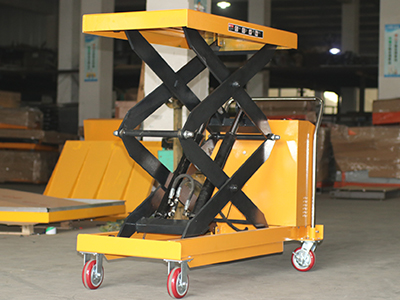
There are many hidden dangers in the use of electric hand lifter, which are not easy to find in daily maintenance. If these faults of the electric hand lifter are not dealt with, the electric hand lifter will eventually be paralyzed. Or more serious consequences. The following questions are details that most operating users often overlook:
1. The button is out of order. The lifting, lowering, and suspending operations of the entire electric hand lifter are all controlled by the button. If there are occasional key failures during operation, you should pay attention to this phenomenon. This phenomenon may be a short circuit of the electric hand lifter circuit or the imminent failure of the electrical system. At this time, you must check carefully in time to avoid affecting the operation of the electric hand lifter in the future.
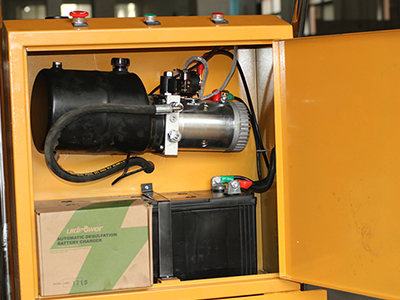
2. The electric hand lifter cannot be lowered to the natural height and causes a malfunction. The reason is:
①Deformation of the main frame of the electric hand lifter;
②Too much hydraulic oil is injected into the electric hand lifter;
③There are sundries between the scissor levers of the electric hand lifter.
3. The motor of the electric hand lifter is noisy, and occasionally there will be heat or odor of the motor. The reasons for such problems are:
① The electric hydraulic platform vehicle is overloaded. If there is an overload problem, uninstall it in time.
②The voltage of the electric hand lifter is unstable, check whether there is a problem with the circuit.
③If the motor is poorly sealed or the coil is burned out, the seal should be tightly sealed or the coil should be replaced in time.
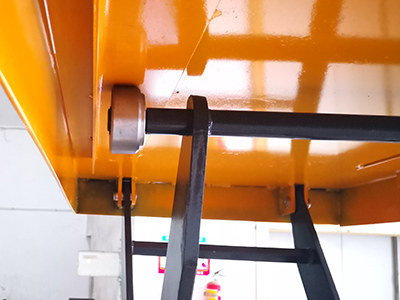
Timely correction of minor problems can avoid major failures and enable the electric hand lifter to operate stably for a long time. In view of the hidden troubles of electric hydraulic platform vehicles, timely detection and elimination of problems can reduce the occurrence of many failures. Finding hidden dangers in time and shutting down to eliminate them is the key. We usually need to take more preventive measures.
-
 Stand-on Double Pallet Stacker Pros & Cons For High Throughput WarehouseIn high-turnover e-commerce warehouses, stand-on electric double pallet stackers carry two pallets at once to boost outbound efficiency. Check aisle space before purchase as the machine has a wider body.
Do you like ?0
Read more -
 Newniudun Forklift OEM Service, Taizhou Newniudun ForkliftBuilding your own forklift brand does not require self-built production lines. OEM manufacturing is ideal for traders. newnewton forklift provides equipment OEM, logo customization, export certification and stable supply.
Do you like ?0
Read more -
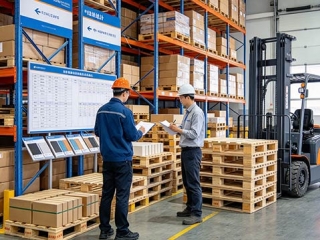 3 Core Rules for Small Warehouse Forklift SelectionMany buyers blindly pursue high load and lifting parameters for forklifts. Small warehouses need forklifts matched by aisle space, cargo demands and full-cycle costs for proper operation and budget control.
Do you like ?0
Read more -
5 Forklift Selection Tips for Small EnterprisesSmall enterprises often focus only on forklift unit prices and ignore actual warehouse conditions, leading to unusable equipment. Select suitable forklifts from five dimensions: aisle, cargo, environment, maintenance and certification.
Do you like ?0
Read more -
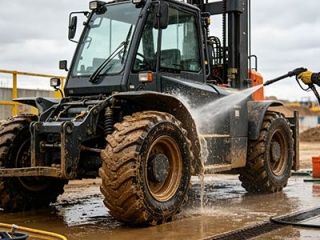 4WD Rough Terrain Forklift For Muddy Construction Site, Anti-stuck Off-road ForkOrdinary forklifts slip and get stuck on muddy post-construction sites. 4WD off-road forklifts with upgraded tires and high chassis adapt to unhardened ground for stable outdoor material handling.
Do you like ?0
Read more -
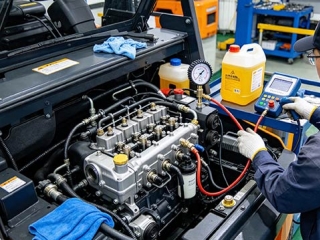 3 Steps To Troubleshoot Black Smoke Of Fuel Forklift, Reduce Equipment LossBlack smoke from fuel forklifts results from insufficient combustion and worsens engine wear and fuel consumption. Troubleshoot the air intake, fuel system and engine conditions to eliminate smoke faults efficiently.
Do you like ?0
Read more