
Ride-on Pallet Truck Parameter Matching for Bulk Cargo Transfer
A ride-on electric pallet truck, also known as ride-on electric pallet jack, saves more labor than walk-behind models for long-distance transfer. It suits warehouses with large cargo volume and long shuttle routes. Many buyers only check load capacity and ignore critical parameters such as chassis, battery and turning radius. Poor performance on passing ability and battery life often appears after commissioning. Here is the selection method for ride-on electric pallet jack.
Confirm rated load capacity. Common specifications include 2 ton, 2.5 ton and 3 ton. Note that rated load is based on standard load center distance. Actual load capacity will drop if the cargo center shifts or forks extend too far. Keep safety margin for heavy-duty applications.
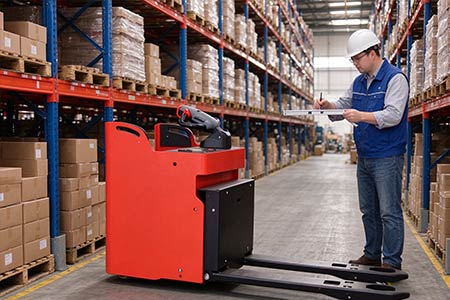
Check fork specifications. Fork length and outer width must match on-site pallets. Sizes differ for Euro pallets and three-run pallets. Too short forks may drop pallets, while over-wide forks cannot enter pallet openings.
Check turning radius and overall width. These two items decide aisle adaptability. Ride-on models have longer bodies and need wider working aisles than walk-behind versions. Measure clear aisle width before purchase. Choose versions with small turning radius for narrow aisle warehouses. Battery capacity determines runtime. Lithium batteries support opportunity charging for two-shift work. Lead-acid batteries have lower cost for single-shift operation. Verify charger specifications and workshop power supply conditions.
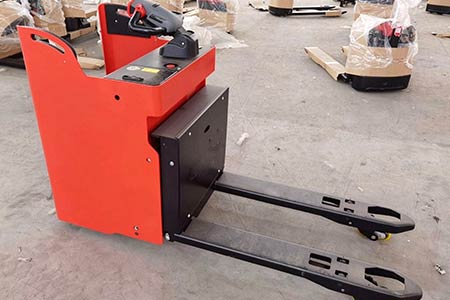
Check chassis ground clearance. Higher ground clearance is required for floors with joints, bumps or occasional dock crossing to avoid chassis scraping. Non-marking wheels are optional for epoxy floors to prevent black marks. Electromagnetic brake is recommended. It applies parking brake automatically once the control handle is released and prevents sliding on ramps for safer transfer.
Ride-on electric pallet truck parameters should match your warehouse conditions. Operator habits also matter. Seat shock absorption and control handle layout reduce fatigue during long continuous shifts. Ride-on types are preferred for concentrated loading and unloading at docks. Walk-behind types fit narrow aisles and occasional short-distance handling.
-
 Ride-on Pallet Truck Parameter Matching for Bulk Cargo TransferRider pallet trucks suit long-distance heavy transfer. Check turning radius, fork size, battery and ground clearance besides load to match warehouse conditions.
Do you like ?0
Read more -
 Indoor Sourcing Guide for Self-Propelled Scissor Aerial Work PlatformScissor lifts for ceiling maintenance need checks on folded size, elevator access and floor load. Distinguish platform height and working height for tight indoor spaces.
Do you like ?0
Read more -
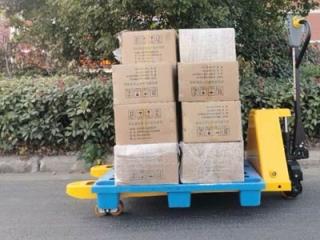 Customized Warehouse Pallet Truck From Source FactoryMany buyers only check rated load for pallet trucks and ignore pallets, aisles and floors. newnewton selects and customizes trucks on-site to avoid purchase risks.
Do you like ?0
Read more -
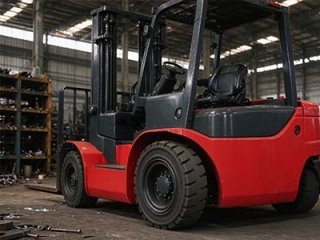 Solid Forklift Tire vs Pneumatic Tire, What Are Their DifferencesSolid and pneumatic forklift tires each suit different ground conditions. Wrong choice affects stability, energy consumption and long-term maintenance costs.
Do you like ?0
Read more -
 One-Stop Export Service for Lithium Electric ForkliftLifting chains of semi-electric stackers bear heavy loads. Jerking and noise often come from dirt and poor lubrication. Clean, lubricate and check tension regularly.
Do you like ?0
Read more -
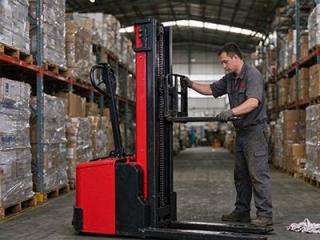 How to Fix Stuck Lifting of Semi-Electric Stacker by Chain MaintenanceLifting chains of semi-electric stackers bear heavy loads. Jerking and noise often come from dirt and poor lubrication. Clean, lubricate and check tension regularly.
Do you like ?0
Read more








