
Frequent inbound and outbound cargo with large turnover wastes much working time if only one pallet is transported per trip. A stand-on electric double pallet stacker can carry two pallets at once and greatly improve stacking and handling efficiency. Let’s check its applicable warehouse scenarios.
E-commerce transit warehouses and live-stream preparation warehouses are typical matching scenarios. These warehouses face volatile orders and heavy outbound pressure during rush hours. Goods are mostly standard pallets with regular aisles. The double pallet stacker cuts round trips, eases workload during peak periods and speeds up sorting and delivery.
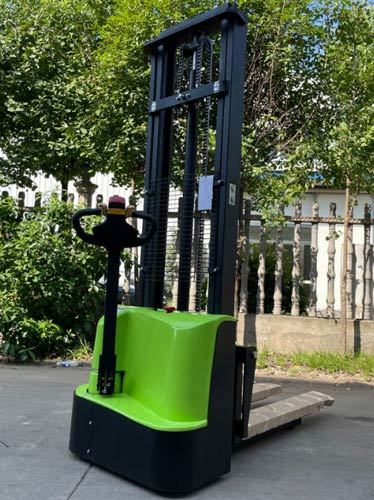
Finished goods warehouses for food and daily chemical products are also suitable. These industries maintain stable turnover with bulk receiving and shipping, and unified pallet sizes. The stand-on double pallet stacker supports simultaneous stacking and outbound transfer and works well with assembly lines for smoother warehouse circulation.
Raw material and finished product warehouses in manufacturing plants are good choices. Factories keep feeding materials and outputting finished goods on pallets. If aisles and load capacity meet requirements, one machine handles two pallets of materials, reducing the quantity of stacking equipment and lowering warehouse handling costs.
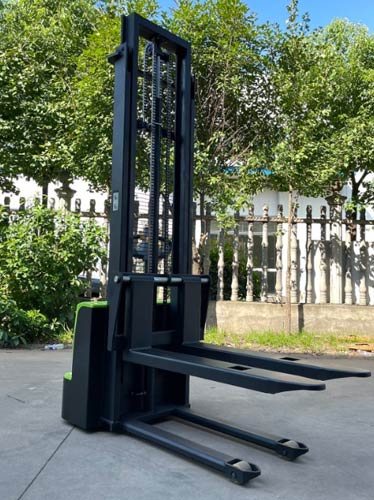
Regional distribution centers and 3PL cloud warehouses have continuous cargo flow and high efficiency requirements. With open space and highly standardized pallets, these sites can take full advantage of the double pallet stacker to run cyclic transportation and shorten cargo dwell time.
You also need to know its limitations. It is not fit for every warehouse. Narrow aisles cannot accommodate the truck. Scenarios with many non-standard pallets may cause unstable load center. Rough ground or frequent slope climbing will hurt operation safety and stability.
Measure aisle width, pallet size and single trip load weight before selecting the stand-on electric double pallet stacker. Contact us to get matched solutions based on your site working conditions.
-
 Battery Capacity Of Electric Self-loading Lift Truck: Lithium Version GuideBattery capacity alone cannot decide the runtime of lithium electric self-loading trucks. Match battery specs with load, lifting times and working intensity.
Do you like ?0
Read more -
 4 Suitable Scenarios For Rider Electric Double Pallet StackerRider double-pallet stacker carries two pallets for high-turnover warehouses. Not fit for narrow aisles or rough ground, check site data before selection.
Do you like ?0
Read more -
 How Much Is A 1.5 Ton Walkie Electric Stacker?Avoid low-price traps for 1.5t walkie electric stackers. Verify load, battery, quotation and factory qualification, select based on warehouse conditions.
Do you like ?0
Read more -
 What To Do When Semi-Electric Stacker Runs Out Of PowerSemi-electric stacker power failure risks cargo drop. Set warning, release pressure manually to lower forks, troubleshoot and repair before reuse.
Do you like ?0
Read more -
 How To Select Narrow Aisle Manual Hydraulic Stacker: 4 Key PointsManual hydraulic stackers suit narrow aisles. Check aisle width, load, lifting height, forks and wheels, and maintain regularly for safe warehouse stacking.
Do you like ?0
Read more -
 How to Select Attachment Specs for Heavy Duty Diesel ForkliftsAdding attachments to large-tonnage IC forklifts changes load center and reduces capacity. Check load center distance, oil interface, space and sight to confirm safe load.
Do you like ?0
Read more








