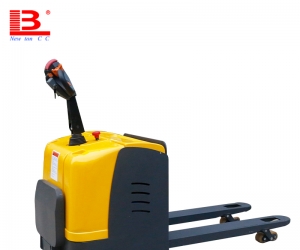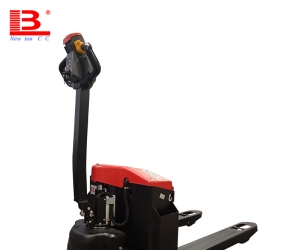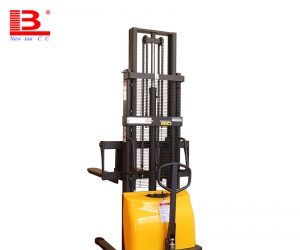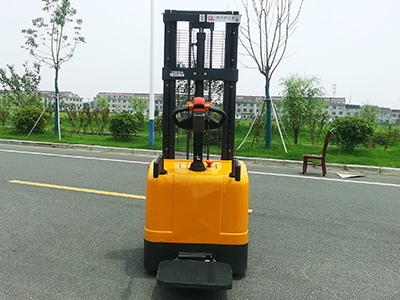
As the driver of an self loading stacker, you must abide by the correct operating procedures of the self loading stacker, use it safely, and keep in mind the following ten most basic precautions:
1. The battery of an self loading stacker will produce hydrogen, which may cause an explosion. It is strictly forbidden to smoke near the battery of the self loading stacker, and it is strictly forbidden to produce any open flames or sparks. The battery of the self loading stacker must be stored or charged in a well-ventilated place, but cannot be placed in the exhaust port, so as to prevent the acid mist from corroding the battery of the self loading stacker.
2. The battery fluid of the self loading stacker contains corrosive liquid, which may cause severe burns. Avoid contact with skin, eyes or clothing. If an accident occurs, rinse immediately with plenty of water and seek medical attention.
3. Please wear rubber gloves when checking or maintaining the battery of the self loading stacker to avoid electric shock.
4. The surface or connection of the self loading stacker battery must be kept clean. The dust and impurities on the electric storage forklift must be cleaned up
with a damp cloth, otherwise it will leak electricity and even cause a fire.
5. When cleaning the battery of an self loading stacker, be sure to use a damp cloth, not a dry cloth.
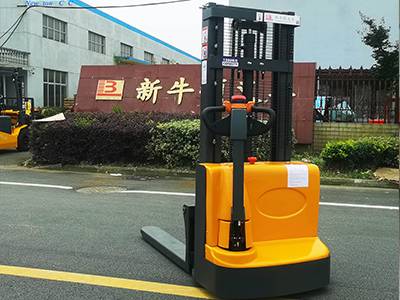
6. Do not use tools to connect the positive and negative poles of the self loading stacker battery.
7. When charging the battery of an self loading stacker, the temperature of the electrolyte should not exceed 50 degrees Celsius to avoid damage caused by electrolyte overflow. Pay special attention in summer and daytime.
8. Before unplugging the battery plug of the self loading stacker, in order to avoid sparks, be sure to turn off the key switch of the self loading stacker and the switch of the charger.
9. The electrolyte level of the battery of the self loading stacker shall not be lower than the minimum limit, otherwise the battery of the self loading stacker is easy to heat and burn.
10. Keep children away from electric storage forklifts.
-
 Stand-on Double Pallet Stacker Pros & Cons For High Throughput WarehouseIn high-turnover e-commerce warehouses, stand-on electric double pallet stackers carry two pallets at once to boost outbound efficiency. Check aisle space before purchase as the machine has a wider body.
Do you like ?0
Read more -
 Newniudun Forklift OEM Service, Taizhou Newniudun ForkliftBuilding your own forklift brand does not require self-built production lines. OEM manufacturing is ideal for traders. newnewton forklift provides equipment OEM, logo customization, export certification and stable supply.
Do you like ?0
Read more -
 3 Core Rules for Small Warehouse Forklift SelectionMany buyers blindly pursue high load and lifting parameters for forklifts. Small warehouses need forklifts matched by aisle space, cargo demands and full-cycle costs for proper operation and budget control.
Do you like ?0
Read more -
5 Forklift Selection Tips for Small EnterprisesSmall enterprises often focus only on forklift unit prices and ignore actual warehouse conditions, leading to unusable equipment. Select suitable forklifts from five dimensions: aisle, cargo, environment, maintenance and certification.
Do you like ?0
Read more -
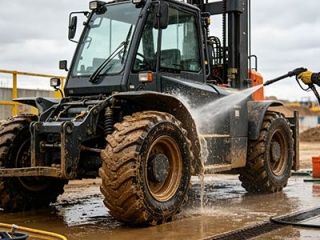 4WD Rough Terrain Forklift For Muddy Construction Site, Anti-stuck Off-road ForkOrdinary forklifts slip and get stuck on muddy post-construction sites. 4WD off-road forklifts with upgraded tires and high chassis adapt to unhardened ground for stable outdoor material handling.
Do you like ?0
Read more -
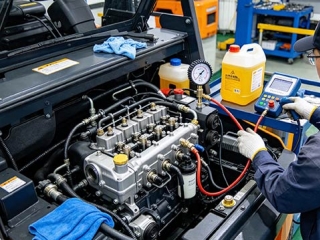 3 Steps To Troubleshoot Black Smoke Of Fuel Forklift, Reduce Equipment LossBlack smoke from fuel forklifts results from insufficient combustion and worsens engine wear and fuel consumption. Troubleshoot the air intake, fuel system and engine conditions to eliminate smoke faults efficiently.
Do you like ?0
Read more