
As a powerful assistant for handling goods, manual stackers will inevitably encounter oil leakage problems caused by oil seal wear or cracks. Worried about oil stains staining the floor? Afraid of safety hazards caused by tubing rupture? Don't worry, this article will explain in detail how to replace the oil seal of the manual stacker, and help you easily solve the problem of oil leakage.
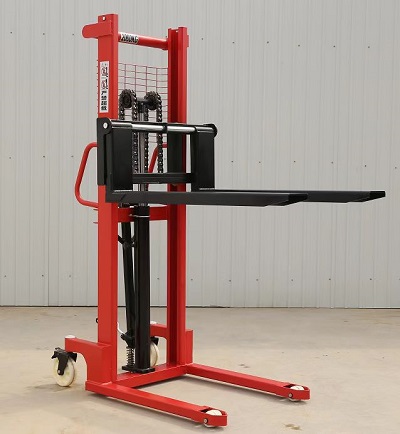
Oil seal replacement steps
Tips:
Through the above simple steps, you can easily complete the replacement of the oil seal of the manual forklift, and avoid the potential safety hazards and environmental pollution caused by the oil leakage problem.
Note: If you are not familiar with the structure and operation of manual stackers, it is recommended to seek professional help to avoid unnecessary losses caused by improper operation.
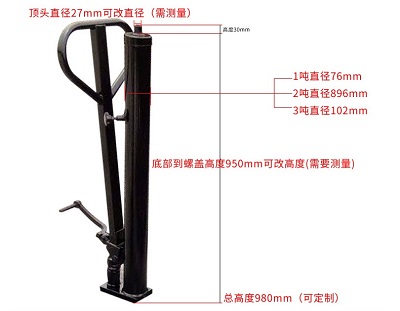
Disassembly: First, use a tool such as a wrench to carefully remove the springs and brake screws at both ends of the manual stacker cylinder.
Loosen the guide sleeves: Find the guide sleeves on both sides of the cylinder and gently loosen them.
Remove the old oil seal: Once the guide sleeve is loosened, the old seal can be removed from the guide sleeve.
Install the new oil seal: Carefully install the new oil seal into the guide sleeve, make sure it is in the correct position, and press it in evenly to avoid damaging the oil seal.
Reset: Install the guide sleeve, brake screws and springs in turn to ensure that all parts are securely installed.
If the seal is aging and sticking to the cylinder or deformed and difficult to take out, the seal can be soaked in hot water for about 10 minutes to make it easier to remove after softening.
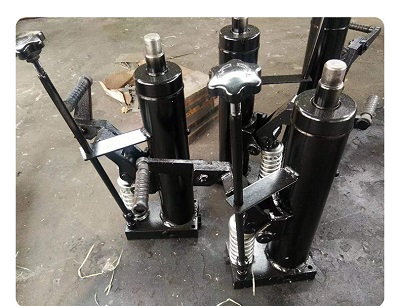
It is recommended to choose an oil seal that is consistent with the original specifications for replacement to ensure the best sealing effect.
When installing a new oil seal, a small amount of hydraulic oil can be applied to the surface of the oil seal to facilitate installation and reduce wear.
-
 5 Strict Inspection Stages of Newnewton Forklift Before DeliveryForklift factory inspection determines equipment stability. Taizhou manufacturers adopt five testing procedures from parts sampling to full-load tests for reliable quality.
Do you like ?0
Read more -
 Introduction to Straddle Leg Function of Stacker and Damage ImpactsSupport legs are core load-bearing structures of stackers. They prevent tipping, bear loads and guide pallets, requiring daily maintenance for safe operation.
Do you like ?0
Read more -
 3 Sets of Workshop Narrow Aisle Forklift Solutions from Forklift ManufacturerNarrow workshop aisles limit handling efficiency. Professional forklift manufacturers provide three forklift solutions for different narrow aisle working conditions.
Do you like ?0
Read more -
 6 Steps to Learn Standard Operation of Full Electric Four-way ForkliftFull-electric four-way forklifts handle long materials with vertical and horizontal travel. Standardize six operating procedures to avoid operational risks.
Do you like ?0
Read more -
 Electric order picker vs manual order picker, warehouse order pickerWhen choosing order pickers, compare electric and manual models from efficiency, workload, scenarios, cost and safety to match your warehouse working conditions.
Do you like ?0
Read more -
 What Items Can Be Customized for Diesel Forklift OEM ServiceFor diesel forklift OEM, clarify customizable ranges to avoid delivery deviation. Factories support logo, mast, cabin and document customization.
Do you like ?0
Read more








