6-step Standard Operation Guide for Manual Hydraulic Pallet Truck
Operators often underestimate risks of Manual Hydraulic Pallet Truck, thinking manual hand control brings no danger. Improper operation will easily cause sudden breakdowns. Master these six standard operating steps to extend service life and cut maintenance cost.
Step 1 Pre-operation Full Inspection
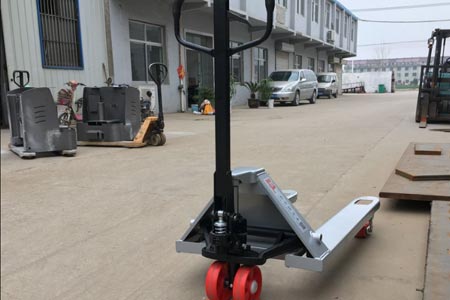
Walk around the truck to check forks and frame for bending or deformation. Remove straps, iron wires and debris wrapped in wheels. Pump the handle repeatedly to test lifting and lowering sensitivity; check oil leakage on hydraulic cylinder and pipe joints. Reject cracked or damaged pallets to eliminate hidden dangers in advance.
Step 2 Align & Insert Pallet
Lower forks to the minimum height, push the truck gently and insert two forks fully and centrally under the pallet until fork tips reach the inner edge. Never single-side or half insertion, which shifts gravity and leads to rollover under heavy load.
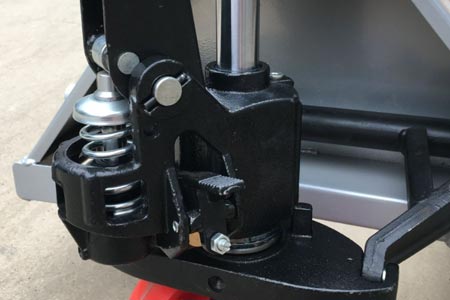
Step 3 Hydraulic Lifting of Cargo
Hold the operating handle and pump steadily to lift forks slowly until goods clear the ground. Avoid violent pumping. Watch cargo balance all the time; no eccentric load or overloading allowed before moving.
Step 4 Smooth Transit & Travel
Control low speed inside warehouse aisles, crowded zones and corners. Do not carry passengers. Control downhill speed via reverse handle resistance instead of free sliding. Slow down over gaps, thresholds and uneven floors to reduce impact on wheels and frame.
Step 5 Unload & Lower Forks at Designated Spot
After transporting goods to the target area, make sure no people or obstacles nearby. Flip the release valve gently to lower forks evenly and set pallet fully on ground. Pull out forks only after all weight transfers to the pallet; never drag truck with suspended cargo.
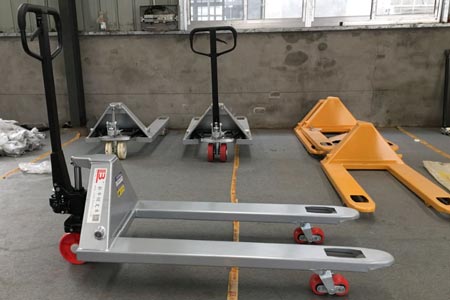
Step 6 Clean & Store After Work
Clear residual debris on forks and wheels, recheck hydraulic system for faults. Lower forks completely and park the Manual Hydraulic Pallet Truck in designated storage zone without blocking main passageways for tidy warehouse and easy next use.
In short, strictly following the complete Standard Operating Procedure For Manual Pallet Truck reduces failure rate, prolongs equipment lifespan and lowers long-term expenditure while improving warehouse handling efficiency.
-
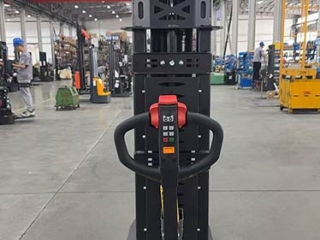 Battery Capacity Of Electric Self-loading Lift Truck: Lithium Version GuideBattery capacity alone cannot decide the runtime of lithium electric self-loading trucks. Match battery specs with load, lifting times and working intensity.
Do you like ?0
Read more -
 4 Suitable Scenarios For Rider Electric Double Pallet StackerRider double-pallet stacker carries two pallets for high-turnover warehouses. Not fit for narrow aisles or rough ground, check site data before selection.
Do you like ?0
Read more -
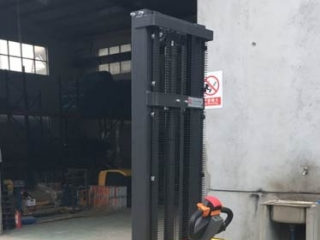 How Much Is A 1.5 Ton Walkie Electric Stacker?Avoid low-price traps for 1.5t walkie electric stackers. Verify load, battery, quotation and factory qualification, select based on warehouse conditions.
Do you like ?0
Read more -
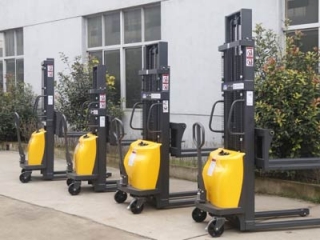 What To Do When Semi-Electric Stacker Runs Out Of PowerSemi-electric stacker power failure risks cargo drop. Set warning, release pressure manually to lower forks, troubleshoot and repair before reuse.
Do you like ?0
Read more -
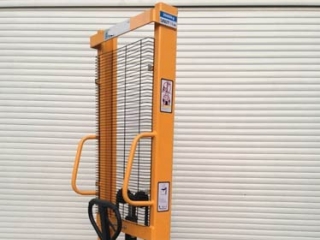 How To Select Narrow Aisle Manual Hydraulic Stacker: 4 Key PointsManual hydraulic stackers suit narrow aisles. Check aisle width, load, lifting height, forks and wheels, and maintain regularly for safe warehouse stacking.
Do you like ?0
Read more -
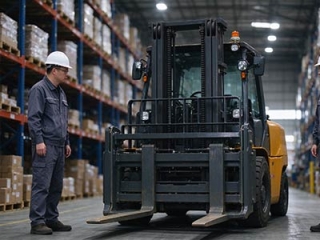 How to Select Attachment Specs for Heavy Duty Diesel ForkliftsAdding attachments to large-tonnage IC forklifts changes load center and reduces capacity. Check load center distance, oil interface, space and sight to confirm safe load.
Do you like ?0
Read more