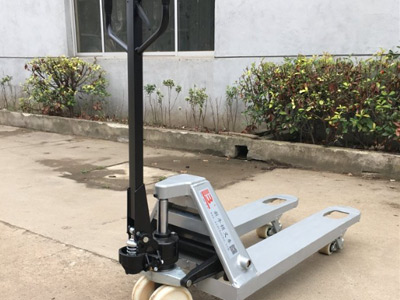
A healthy hydraulic system is essential for a manual hydraulic pallet jack; any hydraulic failure will directly affect its lifting performance. Low pressure in manual pallet jack is a common issue many users face, so what should you do when it happens? Below are the most frequent causes to help you quickly diagnose and fix hydraulic problems.
1. Low or Contaminated Hydraulic Oil
Symptoms: Light pumping, slow lifting, or no lifting at all.
Hydraulic oil level drops or air enters the system over time.
Oil becomes dirty, emulsified, or degraded, resulting in insufficient pressure.
2. Worn or Leaking Seals
Symptoms: Gradual loss of pressure, weak lifting, and visible oil leakage.
Piston seals age, wear, or deform.
Cylinders of the manual pallet jack develop seepage or dripping.
3. Misaligned Release Valve or Handle
Symptoms: No lifting or sudden pressure loss after slight lifting.
Handle not fully returned to the lifting position.
Release valve stuck or weak spring tension.
4. Worn Pump Core or Internal Pressure Loss
Symptoms: Normal lifting when empty, no pressure under load.
Internal sealing surfaces wear out and fail to hold pressure.
Lifts well without load but cannot raise heavy loads.
5. Air Entering or Clogged Hydraulic Lines
Symptoms: Jerky lifting, unstable pressure, and uneven height.
Dirt blocks the hydraulic lines.
Air enters the cylinder or pump body.
Filter or hydraulic passages are clogged.
In conclusion, you can troubleshoot your manual pallet jack by checking the five situations above. If you still cannot identify the problem, it may be more complex, and professional repair service is recommended.
-
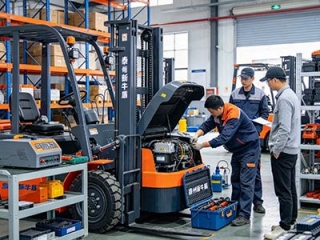 Taizhou newnewton Forklift Manufacturer IntroductionAvoid selecting warehouse forklifts only by unit price. Check site conditions, certificates and after-sales. Newnewton, Taizhou source factory, provides full product range, CE certification, customization and reliable spare parts supply.
Do you like ?0
Read more -
 Semi-electric Stacker vs Manual Stacker Cost ComparisonWhen buying stacking equipment for small warehouses, compare semi-electric stackers and manual stackers from cost, efficiency and maintenance to balance upfront expense and long-term investment.
Do you like ?0
Read more -
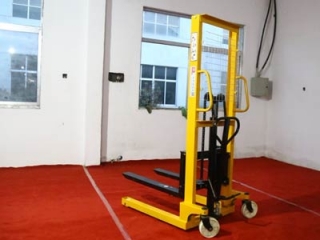 CE Certification for Manual Hydraulic StackerNewnewton manual hydraulic stackers exported to EU need CE certification complying with 2006/42/EC and EN1757-1, including safety assessment, technical documents and product compliance checks.
Do you like ?0
Read more -
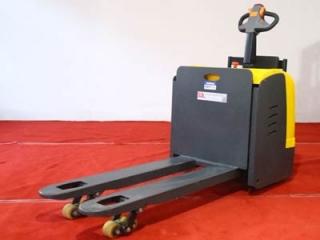 Stand-on vs Walk-behind Electric Pallet Truck ComparisonUnderstand the differences between stand-on and pedestrian electric pallet trucks in operation, efficiency, aisle requirements and costs. Choose the right model based on warehouse scale, transfer distance and order volume.
Do you like ?0
Read more -
 Operation Notes for Electric Self Elevating TruckPedestrian electric stackers cover tiered brand options with different features. International brands offer stable performance at high cost, while domestic brands and factory suppliers provide better cost performance and customization.
Do you like ?0
Read more -
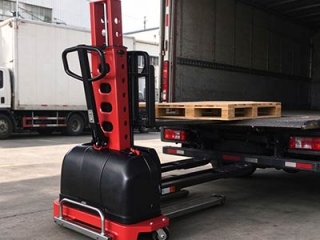 Operation Notes for Electric Self-elevating Truck | Truck Mounted Forklift SafetTruck-mounted self-loading forklifts fixed on truck tails handle cargo without loading docks. Control load and cargo gravity, inspect equipment and avoid soft slopes to prevent tipping and falling goods.
Do you like ?0
Read more