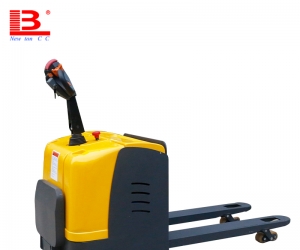
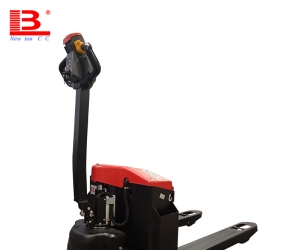
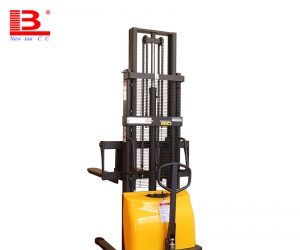
Mobile elevating work platforms – indispensable and efficient on the modern construction site As a key piece of equipment in industry and construction, mobile elevating work platforms are favored for their excellent performance in working at height. The unique scissor design of the mobile lifting platform ensures the stability and efficiency of the lifting platform in operation, significantly improves the work efficiency, and also strengthens the operation safety. In particular, the mobile elevating platform is gradually regarded as an innovative choice for the traditional operating platform.
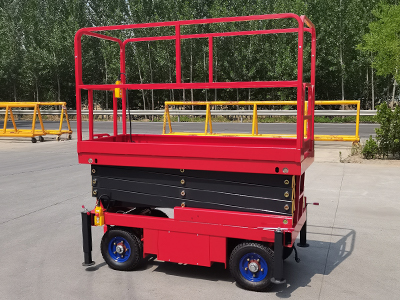
However, despite the significant advantages, it is important to have a deep understanding of how to use them correctly to ensure safety in the face of potential hazards. Here is a summary of a few key considerations during use:
Preparation before use:
Before the start of the operation, it is necessary to make a special safety technical disclosure, and the operator needs to read the user manual carefully and be familiar with the characteristics, structure and operation methods of the equipment.
Strictly follow the content of Chapter VIII, Section 4 of the "Technical Code for Inspection of Machinery and Equipment on the Construction Site" (JGJ160-2012), as well as the manufacturer's guidelines, conduct a comprehensive inspection, and ensure that the acceptance standards of the relevant parties are met.
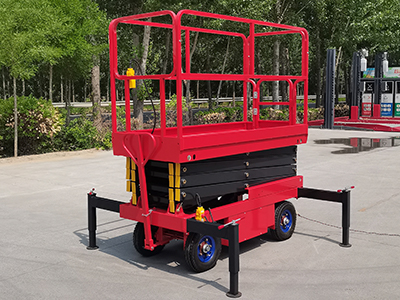
During use:
Ensure that after the mobile lifting platform is in place, the site should be free of obstacles, the platform should be placed smoothly, and the requirements of slope and flatness should be followed.
Set up a clear safety area, according to the requirements of the "Classification of Work at Height" GB3608, and supervise it by a special person to prevent accidents.
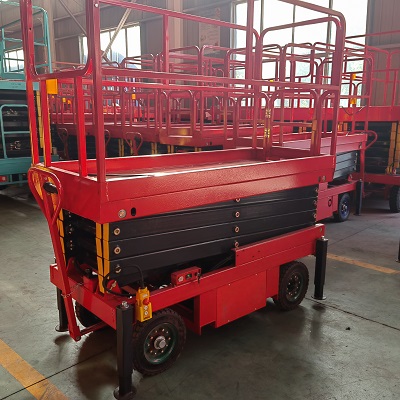
Always observe load limits and resolutely avoid overload operations.
During the work process, ensure that the platform is immovable and emphasize the prohibition of dangerous behaviors on the work platform, such as shaking or playing.
Maintenance after use:
Once the task is complete, make sure the platform is lowered smoothly and parked in a suitable safe location.
Finally, be sure to turn off the power and do a full equipment check before leaving.
Through strict safety regulations and reasonable operation guidance, we can maximize the advantages of mobile lifting work platforms, while effectively preventing possible risks and ensuring the safety of each construction site.
-
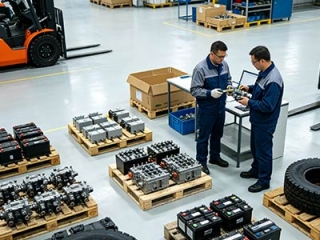 5 Strict Inspection Stages of Newnewton Forklift Before DeliveryForklift factory inspection determines equipment stability. Taizhou manufacturers adopt five testing procedures from parts sampling to full-load tests for reliable quality.
Do you like ?0
Read more -
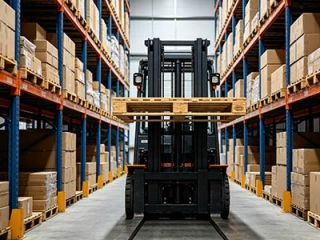 Introduction to Straddle Leg Function of Stacker and Damage ImpactsSupport legs are core load-bearing structures of stackers. They prevent tipping, bear loads and guide pallets, requiring daily maintenance for safe operation.
Do you like ?0
Read more -
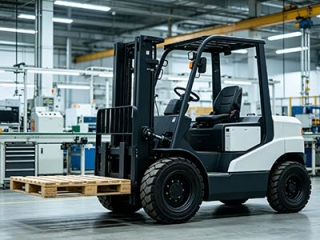 3 Sets of Workshop Narrow Aisle Forklift Solutions from Forklift ManufacturerNarrow workshop aisles limit handling efficiency. Professional forklift manufacturers provide three forklift solutions for different narrow aisle working conditions.
Do you like ?0
Read more -
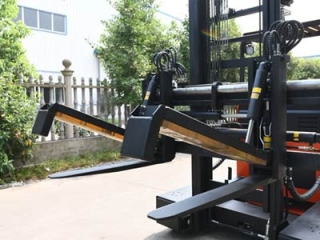 6 Steps to Learn Standard Operation of Full Electric Four-way ForkliftFull-electric four-way forklifts handle long materials with vertical and horizontal travel. Standardize six operating procedures to avoid operational risks.
Do you like ?0
Read more -
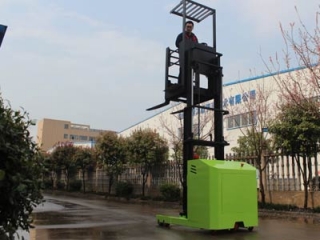 Electric order picker vs manual order picker, warehouse order pickerWhen choosing order pickers, compare electric and manual models from efficiency, workload, scenarios, cost and safety to match your warehouse working conditions.
Do you like ?0
Read more -
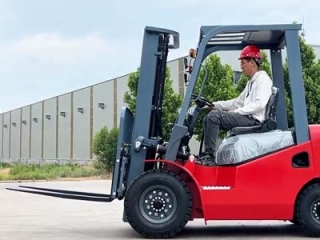 What Items Can Be Customized for Diesel Forklift OEM ServiceFor diesel forklift OEM, clarify customizable ranges to avoid delivery deviation. Factories support logo, mast, cabin and document customization.
Do you like ?0
Read more