How To Maintain Lithium Walk-behind Stacker | Stage-by-stage Maintenance Guide
Many warehouse operators buy lithium-powered stackers assuming longer service life and fewer malfunctions. It’s frustrating when the lithium walk-behind stacker keeps failing repeatedly. Most issues stem from inadequate systematic maintenance rather than defective factory quality. Below we fully explain How To Maintain Lithium Walk-behind Stacker with tiered inspection standards.
Sharply reduced runtime, jerky lifting, abnormal motor noise and hydraulic oil leakage after only half a year of use are caused by continuous wear of mechanical parts, electric control system and lithium battery. Follow daily, monthly and annual maintenance cycles to drastically cut failure rates.
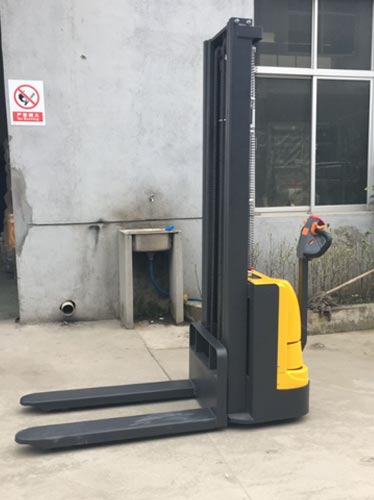
1. Simple Daily Maintenance After Work
Clear all debris wrapped around drive wheels and mast rollers such as strapping, plastic film and metal scraps. Jammed wheels increase motor load, accelerate power drain and lead to overheated burnt motors. Wipe control handle and electric panel to stop dust from triggering switch failure.
Inspect lithium battery casing for dents or bulges; check loose or overheated terminals. Recharge when power drops to 20%–30%. Never store the stacker with fully drained battery — deep discharge permanently damages cells and shortens runtime severely.
Lift and lower empty forks repeatedly to check hydraulic cylinders and pipe joints for oil leaks, confirm smooth lifting and release. Test emergency stop responsiveness. Lower forks completely before parking to relieve long-term pressure on hydraulic components.
2. Monthly In-depth Servicing
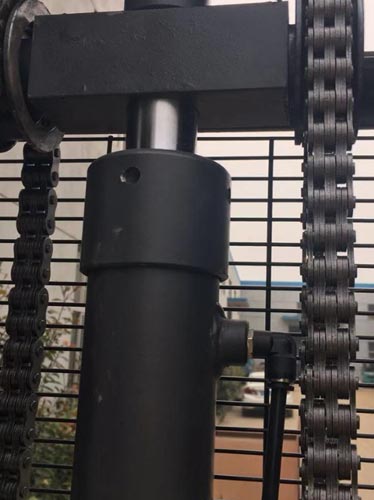
Clean dust and grease off mast chains and apply special chain lubricant evenly. Dry chains cause loud noise, fast roller wear and elongated chains that lead to unstable loads and rollover risks.
Lubricate all wheel bearings and rotate wheels to test smooth movement. Replace stiff or wobbly bearings immediately to avoid burnt drive motors. Blow dust out of the control box; wrap wiring with moisture-proof sleeves for damp warehouses to prevent short circuits.
Complete one full charge-discharge cycle for lithium batteries every month. Unplug once fully charged and avoid overnight floating charge to balance cell voltage and prevent single-cell degradation, power loss and system alarms.
3. Full Annual Overhaul
Drain and replace all hydraulic oil thoroughly, flush impurities inside cylinders to reduce wear on cylinder walls and oil seals and stop recurring leakage. Retighten all bolts securing frame, mast and battery; long-term vibration loosens fasteners and causes shaky unstable operation.
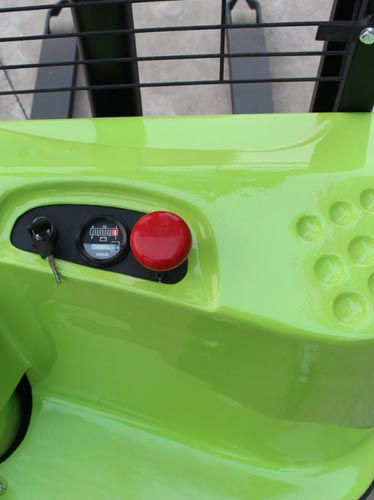
Send lithium batteries to professional technicians for internal resistance and voltage testing. Replace aged cells with excessive voltage difference to eliminate fire hazards from overheating. Swap all overworn consumables including mast rollers, hydraulic oil seals and control rubber grips to avoid sudden onsite breakdowns.
If you strictly follow these Maintenance Tips For Electric Stacker on a daily, monthly and yearly basis, around 80% of common faults can be avoided. Your lithium walk-behind stacker will stay in excellent working condition for years, cutting repair costs and eliminating unexpected downtime.
-
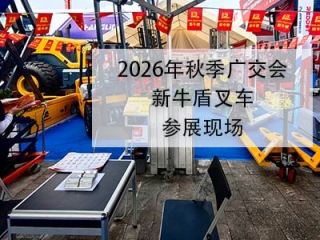 Newnewton Forklift Export, Canton Fair Electric Warehouse Forklift ManufacturerAt the 140th Canton Fair, Newnewton displays full electric warehouse equipment, including cold storage and explosion-proof models with CE, OEM and export support.
Do you like ?0
Read more -
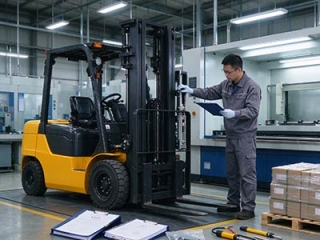 Electric Forklift Factory Direct Quotation, Warehouse Handling EquipmentSame model electric forklifts have varied quotes due to different configurations. Provide load, lift, working conditions and certifications for accurate direct factory pricing.
Do you like ?0
Read more -
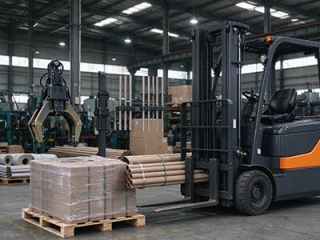 5 Common Working Scenarios for Customized Warehouse Forklift SolutionsStandard forklifts fail to fit special warehouse conditions. The factory offers customization for narrow aisles, cold rooms, explosion-proof and outdoor heavy-load scenarios.
Do you like ?0
Read more -
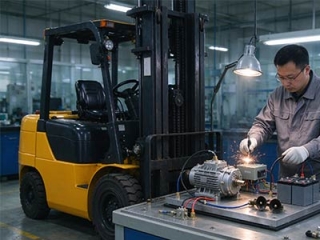 What Tests Are Conducted Before Explosion Proof Forklift DeliveryExplosion-proof forklifts are for flammable and dusty warehouses. They pass strict tests on structure, electrics, temperature and hydraulics before delivery.
Do you like ?0
Read more -
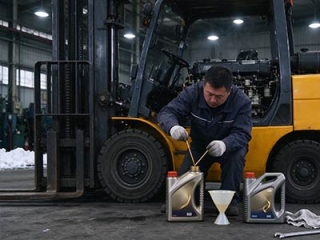 How to Maintain Internal Combustion Forklift in Cold WinterInternal combustion forklifts suffer hard starting and fuel icing in cold weather. Maintain fuel, oil, battery and cooling systems for winter use.
Do you like ?0
Read more -
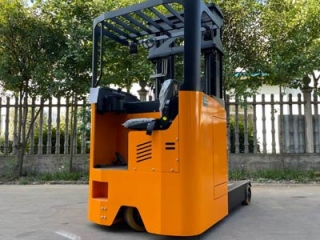 2 Ton Sit-down Reach Stacker, Sit-on Electric Reach Stacker2-ton seated reach stackers fit narrow aisle high rack warehouses. Its extending mast works for two-shift stacking; watch aisle size and high lift capacity deration.
Do you like ?0
Read more