
Differences Between Lithium & Lead-acid Battery Forklifts 2026 Guide
High operating costs, frequent battery replacement and safety hazards under high temperature are common troubles for warehouse managers worldwide. If you are struggling to pick suitable power units for your material handling equipment, learning the clear Differences Between Lithium & Lead-acid Battery Forklifts will help you make cost-effective long-term procurement decisions. This updated July 2026 guide analyzes four hidden cost factors: service cycle, charging efficiency, maintenance labor and self-discharge loss, supported by factory test data and international safety standards.
1. Service Life & Replacement Expense: Lithium Cuts Long-term Total Cost
Lead-acid batteries must be fully replaced every 2–3 years under single-shift operation. For two-shift heavy-duty warehouses, its service life is halved. Factories need at least two complete battery packs within 5 years, plus extra spending on replacement labor and spare battery storage space. Lithium batteries run reliably for 6–10 years with no mid-term replacement during the whole forklift service life.
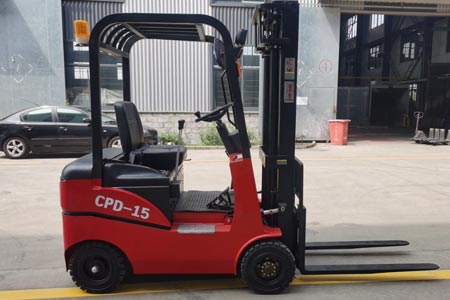
Lithium material prices keep falling in 2026; the 8-year full-lifecycle cost is 25%–30% lower than lead-acid batteries, with more obvious advantages for round-the-clock sorting warehouses. Statistics from our 2024–2026 maintenance ERP records: The annual replacement and repair cost of lead-acid batteries is about ¥5,300 ($731.4), while the yearly maintenance cost of lithium batteries is less than ¥900 ($124.2).
2. Charging Performance For July High-temperature Multi-shift Warehouses
Daytime ambient temperature exceeds 35°C in most regions in July. Lead-acid batteries have poor heat dissipation during hot charging. Fast charging easily causes plate bulging and massive hydrogen precipitation, bringing explosion risks complying with OSHA safety rules. Lead-acid packs need full overnight charging and cooling, so two-shift factories have to prepare two sets of batteries for rotation, occupying charging room space and wasting 30 minutes daily on battery swapping.
Lithium batteries support opportunity charging during lunch breaks and shift handovers. A 1-hour quick charge restores 30% driving range without extra cooling waiting time. The built-in BMS real-time temperature control system enables continuous charging under 35°C without safety risks. One single lithium battery pack can support 24-hour two-shift sorting operations and greatly reduce equipment idle downtime.
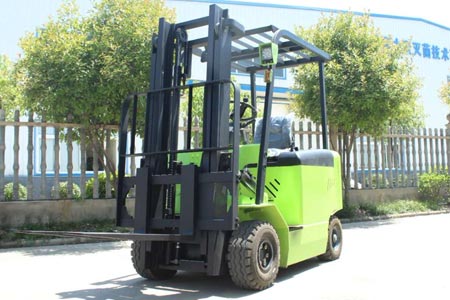
3. Daily Maintenance Labor Cost Gap
In accordance with GB/T36507 warehouse charging specifications, lead-acid batteries require weekly distilled water refilling, monthly cleaning of corroded terminals and quarterly balanced charging. In hot July, electrolyte evaporates faster, adding an extra weekly liquid level inspection, consuming 4–6 labor hours per forklift every month.
Lithium VS Lead-acid Forklift Battery requires zero water filling and produces no acid mist corrosion throughout its service life. Operators only need to conduct quarterly visual appearance checks, so small and medium warehouses can completely cut the budget for dedicated battery maintenance workers.
4. Adaptability For High-temperature & Cold Storage Special Working Conditions
Two typical working scenarios show huge performance gaps in July 2026:
High-temperature warehouses: Lead-acid forklifts suffer sharp power drop when remaining capacity is below 30%, lacking enough torque for climbing and high-lift stacking. Lithium batteries maintain stable output voltage, delivering full rated load even with only 20% residual power and minor range attenuation under heat.
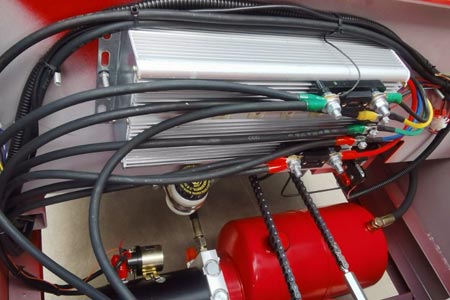
Cold storage (-18°C): Lead-acid capacity shrinks by over 30% in low-temperature environments. Special low-temperature lithium batteries only lose 15% range, becoming the top choice for fresh food cold chain warehouses. Self-discharge comparison: Lithium battery monthly power loss ≤2%; lead-acid batteries lose 15%–20% capacity every month and are prone to permanent failure after long-term idle storage.
Standard & Data Source Note
All cycle life, power consumption and maintenance cost data are extracted from our factory ERP production and customer maintenance records (2024–2026). High-temperature performance test results come from 72-hour continuous operation tests under constant 35°C environment. This guide complies with GB/T36507, ISO3691 forklift standards and OSHA29 CFR 1910.178 industrial equipment safety clauses, available for factory procurement and safety audit reference.
Final Purchasing Advice
If you run single-shift small warehouses with limited short-term budget, lead-acid batteries can be a temporary low-upfront-cost option. For two-shift sorting hubs, high-temperature yards and cold chain warehouses pursuing long-term low operation cost, lithium forklift batteries are the most cost-efficient solution. Contact Newnewton factory for customized battery matching schemes for your forklift models.
-
 Newnewton Forklift Export, Canton Fair Electric Warehouse Forklift ManufacturerAt the 140th Canton Fair, Newnewton displays full electric warehouse equipment, including cold storage and explosion-proof models with CE, OEM and export support.
Do you like ?0
Read more -
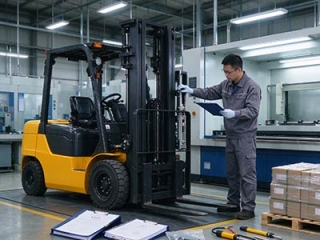 Electric Forklift Factory Direct Quotation, Warehouse Handling EquipmentSame model electric forklifts have varied quotes due to different configurations. Provide load, lift, working conditions and certifications for accurate direct factory pricing.
Do you like ?0
Read more -
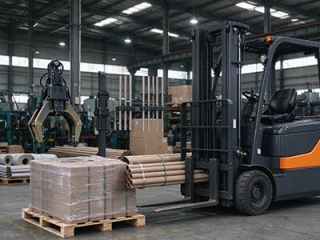 5 Common Working Scenarios for Customized Warehouse Forklift SolutionsStandard forklifts fail to fit special warehouse conditions. The factory offers customization for narrow aisles, cold rooms, explosion-proof and outdoor heavy-load scenarios.
Do you like ?0
Read more -
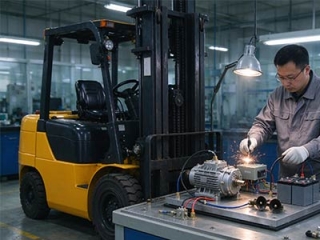 What Tests Are Conducted Before Explosion Proof Forklift DeliveryExplosion-proof forklifts are for flammable and dusty warehouses. They pass strict tests on structure, electrics, temperature and hydraulics before delivery.
Do you like ?0
Read more -
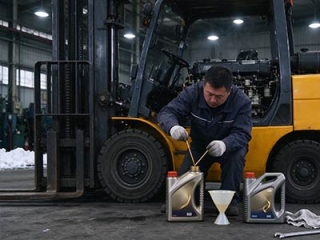 How to Maintain Internal Combustion Forklift in Cold WinterInternal combustion forklifts suffer hard starting and fuel icing in cold weather. Maintain fuel, oil, battery and cooling systems for winter use.
Do you like ?0
Read more -
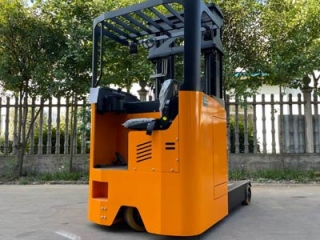 2 Ton Sit-down Reach Stacker, Sit-on Electric Reach Stacker2-ton seated reach stackers fit narrow aisle high rack warehouses. Its extending mast works for two-shift stacking; watch aisle size and high lift capacity deration.
Do you like ?0
Read more








