
LiFePO4 VS Lead Acid Electric Forklift Battery: Pros & Cons For Warehouse Operat
The overall operating cost of electric forklifts is largely determined by power batteries. Many buyers only compare battery upfront prices, ignoring later maintenance expense and downtime loss caused by battery replacement, which leads to high long-term operation costs. Currently, warehouse electric vehicles mainly adopt two power solutions: lithium iron phosphate battery and valve-regulated lead-acid battery. Based on the 2026 industrial vehicle power system research data from China Industrial Vehicle Network, we analyze the advantages and disadvantages of different electric forklift battery.
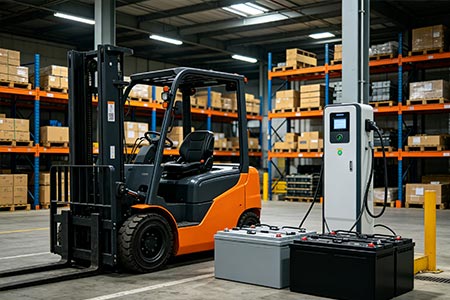
Lead-acid Battery (Traditional Standard Configuration)
Advantages
Lower initial procurement cost. For the same capacity, its price is 35%-50% lower than lithium iron phosphate battery;
Mature technology, abundant spare parts and extensive maintenance service channels;
Complete waste battery recycling system with stable residual value.
Disadvantages
Short cycle life: only 1000–1500 charge-discharge cycles under standard working conditions, needing replacement within 3–5 years for single-shift operation;
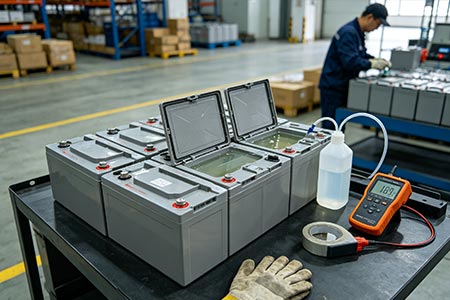
Long charging cycle: 6–10 hours for full charging. Cooling time is required after charging, and opportunity charging is unavailable. Frequent shallow charging and discharging easily cause plate sulfation;
Regular maintenance required: check electrolyte level and clean terminals weekly, consuming labor. Hydrogen will be released during charging, so charging areas need mandatory ventilation;
Low energy density and heavier weight. The discharging voltage gradually drops, resulting in obvious power attenuation of forklifts in later operation.
Special Lithium Iron Phosphate Battery For Forklifts (Mainstream Upgraded Solution)
Advantages
Longer cycle service life, reaching 3000–5000 cycles. It can work for 7–10 years under standardized use;
Support opportunity charging. Operators can top up power during lunch breaks or shutdown intervals without draining the battery, suitable for continuous two-shift and three-shift operation;
Fully sealed structure without daily water replenishment maintenance. No acid mist overflow, ideal for food and pharmaceutical clean workshops;
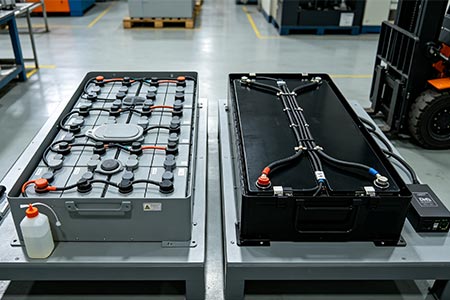
Built-in BMS intelligent management system with multi-protection against overcharge, overdischarge and overheating. Stable discharging voltage ensures steady power output throughout operation.
Disadvantages
Higher initial purchasing cost, bringing greater pressure on upfront budget;
Poor-quality lithium cells carry potential safety hazards. Buyers must select complete battery packs from formal manufacturers and avoid simply modified battery assemblies.
Carry out comprehensive evaluation based on warehouse working conditions and budget through comparison of lithium battery and lead acid battery, so as to select the most suitable battery scheme for your electric forklifts.
-
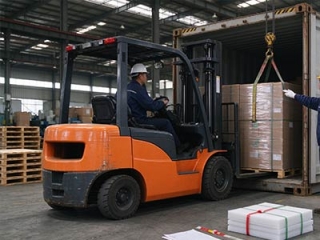 Newnewton Forklift Manufacturer, Forklift CE Certification for ExportNewnewton forklift factory offers full CE certification complying with EN ISO 3691, complete technical documents and OEM service to reduce customs detention risks.
Do you like ?0
Read more -
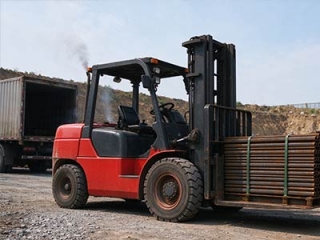 Electric Forklift Vs Diesel Forklift, Warehouse Selection GuideElectric forklift is zero-emission and quiet for indoor clean warehouses. Diesel forklift offers strong power for outdoor heavy-duty tasks.
Do you like ?0
Read more -
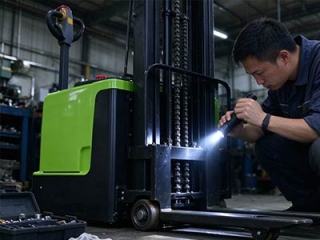 Narrow Aisle Stacker Forklift Custom Manufacturer for WarehouseCustom narrow aisle stacker for non-standard racking. Adjust body, mast and fork specs, upgrade power and protection, site survey available.
Do you like ?0
Read more -
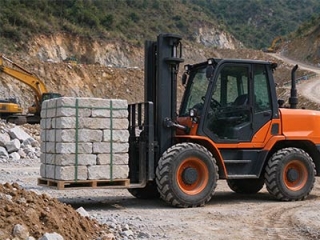 4WD All Terrain Rough Terrain Forklift Climbing for Mountain Sites4WD rough terrain forklift works on unpaved roads. Observe load climbing limit, attachments optional for forest and construction sites.
Do you like ?0
Read more -
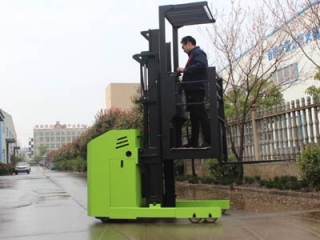 Man-Up Order Picker for High Level Picking, Suitable Warehouse ModesMan-up high level order picker for high-level split picking. Not for full pallet stacking, check rack, aisle and floor before selection.
Do you like ?0
Read more -
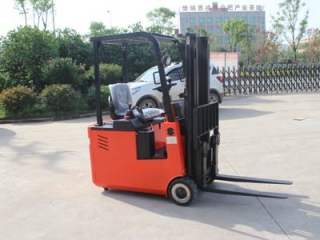 Narrow Aisle Operation Of Three-Wheel Forklift With Compact Turning RadiusThree-point electric forklift features small turning radius for narrow aisles. Reserve safety margin and check floor condition during selection.
Do you like ?0
Read more








