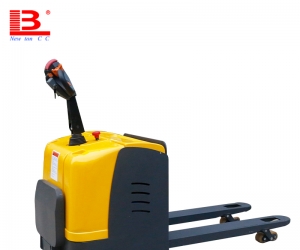
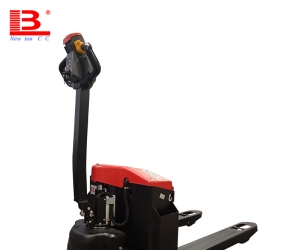
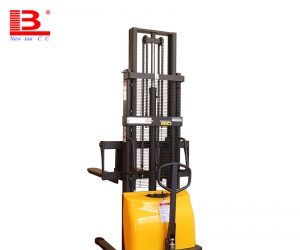
As temperatures rise in summer, improper use will damage batteries, shorten service life and lower work efficiency. Here are practical tips to reduce forklift energy consumption in summer, helping your lithium battery forklift run stably in hot conditions.
1. Control Temperature for Storage & Operation
High heat is the main cause of extra power loss and battery damage. Do not leave the forklift under direct sunlight for long. Park idle units in cool and ventilated areas. If the ambient temperature exceeds 35℃, take breaks regularly.
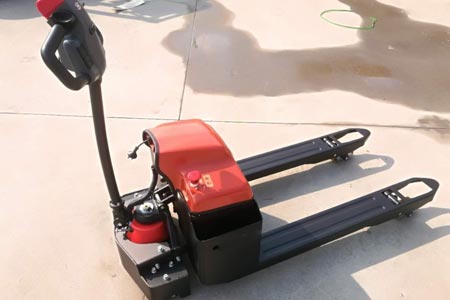
Stop working for 15 to 20 minutes after 2 to 3 hours of continuous operation for heat dissipation. Overheated batteries have higher internal resistance and lower discharge efficiency, which may also lead to bulging and performance degradation.
2. Follow Standard Charging Rules
Avoid charging at noon when it is extremely hot. Choose early morning or evening with lower temperature. Never charge a hot battery right after heavy-duty work; wait until it cools down to normal temperature. Charging under high heat is slow, power-consuming and risky. Recharge the battery when 20% to 30% power remains. Partial charge and discharge works best for lithium batteries. Unplug the charger in time once fully charged to reduce self-discharge.
3. Reduce Power Consumption While Driving
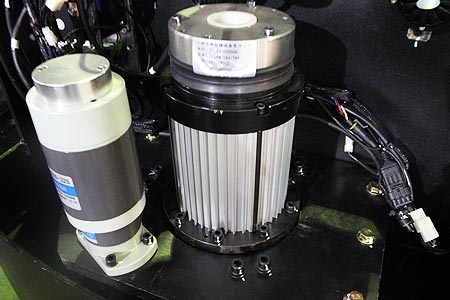
Keep a steady speed and avoid frequent rapid acceleration, sudden braking and sharp turning. These actions will overload the motor and drain power quickly. Adjust speed according to load weight and drive smoothly with heavy cargo. Lighten unnecessary loads to cut down motor workload effectively.
4. Regular Component Maintenance
Clean gravel and debris from wheels every day to ensure flexible rotation and lower running resistance. Keep mast and chains well lubricated to make lifting smooth and save hydraulic power. Check wires and plugs regularly. Loose connections will cause power loss, so fix faults immediately.
5. Keep Batteries Clean
Wipe dust, oil and moisture off the battery shell and terminals with a dry cloth. Dirt will block heat dissipation and cause leakage. Check the shell and seals for damage to prevent rain and moisture from getting inside. Dry the battery in time after outdoor work on rainy days.
With these five methods, you can cut energy consumption by around 30%. Meanwhile, equipment failure and wear will be reduced, extending the overall service life of your Lithium Battery Forklift.
-
 Wrong Capacity = Risk! How to Choose Scissor Lift Load CapacityNever overlook load capacity when choosing aerial work platforms. Calculate total load with safety margin to avoid risks.
Do you like ?0
Read more -
 Cold Storage Forklift: 2026 Ultimate Guide for Low-Temp WarehousesCold & humid warehouses cause forklift failures? Choose cold-resistant models with specialized batteries, hydraulics and durable body to avoid troubles.
Do you like ?0
Read more -
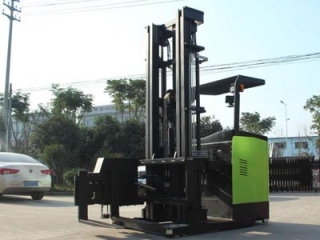 Three-way Stacker Maintenance: Standard Care Cuts Costs by 50%High repair costs for trilateral forklift parts? Maintain hydraulics, circuits and wheels to reduce failures and cut expenses.
Do you like ?0
Read more -
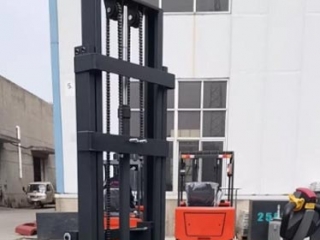 Electric Counterbalance Stacker: No More Pallet Jamming IssuesMismatched forklifts and pallets? Legless counterbalance stacker fits all pallets. Versatile design cuts procurement costs.
Do you like ?0
Read more -
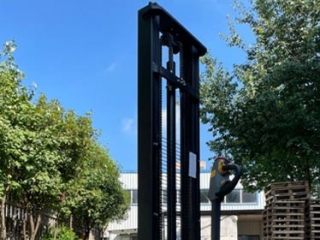 Full Electric Walk-behind Stacker: Premium Models Cut Failure Rate by 80%Worry about frequent breakdowns of walk-behind stackers? Quality models with solid frames and protected systems cut maintenance needs greatly.
Do you like ?0
Read more -
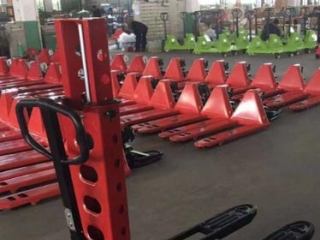 Full Electric Self-lifting Vehicle: 60% Faster for Narrow Aisle OperationStruggling with narrow warehouse aisles? Compact electric self-elevating truck features flexible turning, durable motor and multi-scene application.
Do you like ?0
Read more