Why Internal Combustion Forklifts Are the Top Choice for Construction Projects?
Many people think of heavy-duty four-wheel drive forklifts when talking about construction material handling. In fact, these rugged machines are mostly fuel-powered, with diesel engines being the most common option. Why are construction internal combustion forklifts widely preferred in the construction industry? Understanding this key question will help you make smarter decisions for on-site operations and bring unexpected practical benefits.
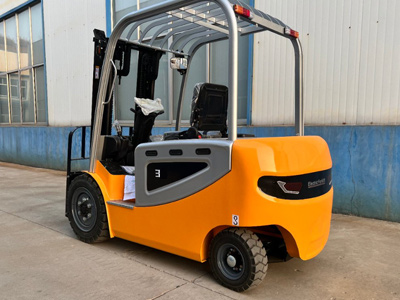
Most construction sites feature rough ground, mud, gravel, slopes, and uneven surfaces instead of paved roads. Electric forklifts are vulnerable to water, dust, and vibration, which can drastically shorten the service life of batteries and motors. In contrast, diesel-powered models deliver outstanding durability and stability in harsh environments.
The advantages of a high-power diesel forklift are extremely obvious on construction sites. When transporting heavy materials such as cement, bricks, and steel pipes, it ensures efficient and stable operation. It fully meets heavy-duty loading requirements, provides strong initial power, and performs safely and smoothly on ramps.
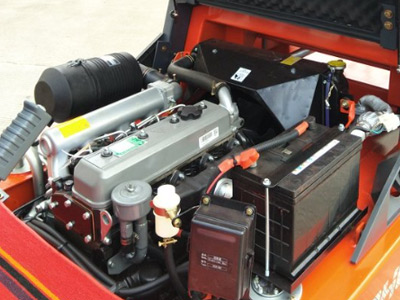
Even if you are not fully familiar with this type of equipment, it is highly recommended for anyone in the construction sector. The 3-ton standard internal combustion forklift is one of the most popular and versatile models available. It perfectly matches the material handling needs of construction sites and can also be widely used in brick factories, steel plants, logistics parks, and other working scenarios.
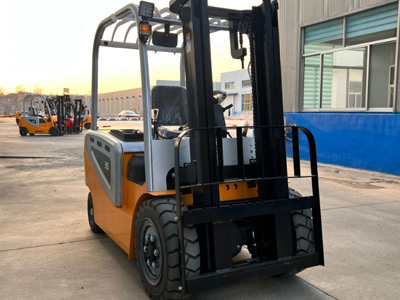
In short, you now have a clear understanding of the working conditions and applications of construction internal combustion forklifts. If you have any further questions or need more details about suitable models, feel free to leave a comment and let us know!
-
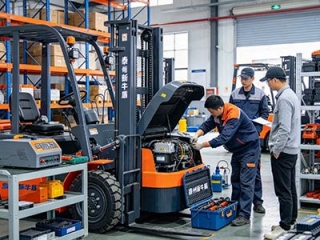 Taizhou newnewton Forklift Manufacturer IntroductionAvoid selecting warehouse forklifts only by unit price. Check site conditions, certificates and after-sales. Newnewton, Taizhou source factory, provides full product range, CE certification, customization and reliable spare parts supply.
Do you like ?0
Read more -
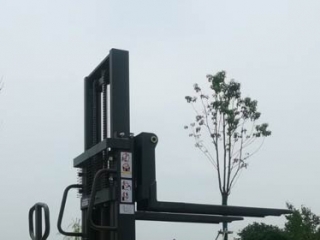 Semi-electric Stacker vs Manual Stacker Cost ComparisonWhen buying stacking equipment for small warehouses, compare semi-electric stackers and manual stackers from cost, efficiency and maintenance to balance upfront expense and long-term investment.
Do you like ?0
Read more -
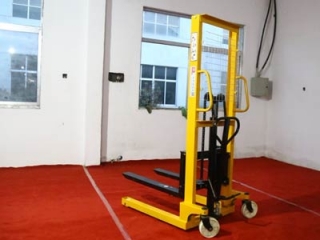 CE Certification for Manual Hydraulic StackerNewnewton manual hydraulic stackers exported to EU need CE certification complying with 2006/42/EC and EN1757-1, including safety assessment, technical documents and product compliance checks.
Do you like ?0
Read more -
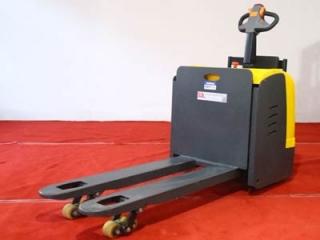 Stand-on vs Walk-behind Electric Pallet Truck ComparisonUnderstand the differences between stand-on and pedestrian electric pallet trucks in operation, efficiency, aisle requirements and costs. Choose the right model based on warehouse scale, transfer distance and order volume.
Do you like ?0
Read more -
 Operation Notes for Electric Self Elevating TruckPedestrian electric stackers cover tiered brand options with different features. International brands offer stable performance at high cost, while domestic brands and factory suppliers provide better cost performance and customization.
Do you like ?0
Read more -
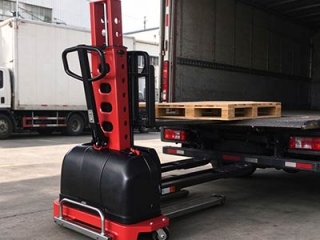 Operation Notes for Electric Self-elevating Truck | Truck Mounted Forklift SafetTruck-mounted self-loading forklifts fixed on truck tails handle cargo without loading docks. Control load and cargo gravity, inspect equipment and avoid soft slopes to prevent tipping and falling goods.
Do you like ?0
Read more