Fixed vs Mobile Dock Leveler Comparison | How to Pick the Right One 2026
Truck beds come with uneven heights, making it impossible for forklifts to drive directly into containers. Dock levelers serve as essential connecting equipment for loading and unloading. Many warehouse managers struggle with the question: How to choose between a Fixed Dock Leveler and a Mobile Dock Leveler? This guide breaks down all selection factors in detail.
1. Comparison of Installation & Site Requirements
Fixed Dock Leveler
A foundation pit must be pre-reserved on the warehouse loading dock with embedded steel parts poured for permanent fixation. It is a permanent facility that can only be used on one single dock bay. Ideal for standardized logistics parks, self-owned dedicated unloading zones and factories with long-term high-volume loading work, where dock heights are uniform and over a dozen trucks arrive daily on a steady basis. Advantages: Fits tightly with the dock for gap-free, shake-free operation. Disadvantages: Non-transferable; cannot be moved during factory renovation or relocation. Civil engineering construction takes 3–7 days before installation.
Mobile Dock Leveler
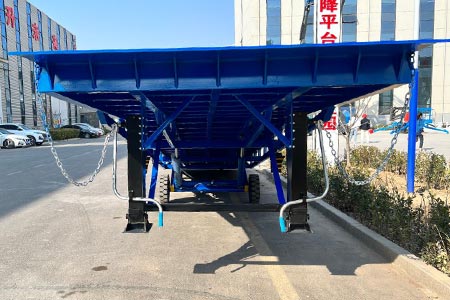
Equipped with towing wheels and support outriggers, no foundation pit construction required. It works on any flat concrete ground. It can be towed by forklifts to any spot within the plant, temporary outdoor yards or entrances of different workshops for loading tasks. Perfect for factories without loading docks, temporary unloading stations, cross-workshop rotation loading, short-term rented warehouses and scattered outsourced cargo handling. Advantages: Fully movable for instant use, zero civil construction cost. Disadvantages: Slightly less stable than fixed models; faster wear and tear under long-term frequent heavy-duty use.
2. Load Capacity & Handling Efficiency (2026 Standard Industry Specifications)
Fixed Dock Leveler
Standard heavy load ratings: 6 ton, 8 ton, 10 ton. Built with thickened manganese steel main beams. Supports 24-hour non-stop forklift shuttling without deformation under full heavy pallets and container cargo. The top choice for major logistics hubs handling over 50 trucks per day with maximum throughput efficiency.
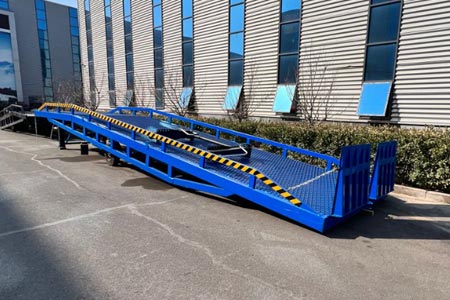
Mobile Dock Leveler
Mainstream capacities: 6 ton and 8 ton; 10 ton heavy-duty versions are rarely available. Lightweight frame construction designed for medium & light goods with intermittent loading of fewer than 20 trucks daily. Continuous round-the-clock heavy-load operation is not recommended.
3. Exact Matching Application Scenarios
Choose a Fixed Dock Leveler if you meet the below conditions
You own a standardized permanent loading dock with stable daily high truck throughput for long-term operation
Large logistics transfer warehouses, food processing plants, big e-commerce fulfillment centers, container yards
Year-round heavy cargo transit, requiring outstanding stability, minimal maintenance and maximum loading efficiency
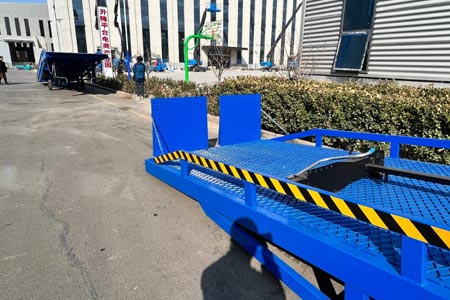
Choose a Mobile Dock Leveler if you meet the below conditions
No built-in loading dock at the factory; temporary truck loading right at ground-level doorways
Frequent equipment relocation for loading across multiple workshops or factory sites
Short-term rented factories, construction sites, small scattered warehouses and limited procurement budget
Occasional outsourced loading tasks with low daily truck volume; civil construction is not feasible
Conclusion
When wondering how to choose between a Fixed Dock Leveler and a Mobile Dock Leveler, select the matching dock leveler according to your actual on-site working conditions with reference to this guide. Feel free to contact us for further professional consultation if you have any questions!
-
 Newnewton Forklift Export, Canton Fair Electric Warehouse Forklift ManufacturerAt the 140th Canton Fair, Newnewton displays full electric warehouse equipment, including cold storage and explosion-proof models with CE, OEM and export support.
Do you like ?0
Read more -
 Electric Forklift Factory Direct Quotation, Warehouse Handling EquipmentSame model electric forklifts have varied quotes due to different configurations. Provide load, lift, working conditions and certifications for accurate direct factory pricing.
Do you like ?0
Read more -
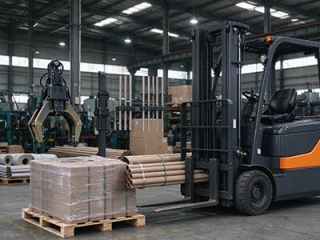 5 Common Working Scenarios for Customized Warehouse Forklift SolutionsStandard forklifts fail to fit special warehouse conditions. The factory offers customization for narrow aisles, cold rooms, explosion-proof and outdoor heavy-load scenarios.
Do you like ?0
Read more -
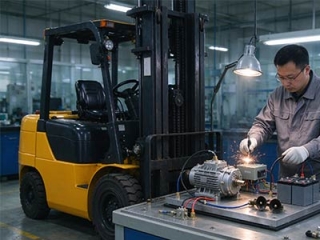 What Tests Are Conducted Before Explosion Proof Forklift DeliveryExplosion-proof forklifts are for flammable and dusty warehouses. They pass strict tests on structure, electrics, temperature and hydraulics before delivery.
Do you like ?0
Read more -
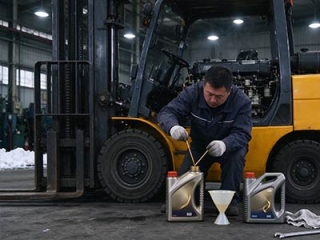 How to Maintain Internal Combustion Forklift in Cold WinterInternal combustion forklifts suffer hard starting and fuel icing in cold weather. Maintain fuel, oil, battery and cooling systems for winter use.
Do you like ?0
Read more -
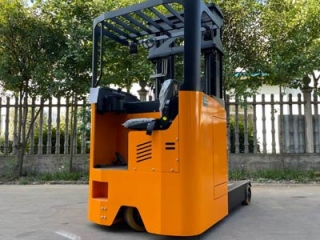 2 Ton Sit-down Reach Stacker, Sit-on Electric Reach Stacker2-ton seated reach stackers fit narrow aisle high rack warehouses. Its extending mast works for two-shift stacking; watch aisle size and high lift capacity deration.
Do you like ?0
Read more