Electric Forklift Brake System Maintenance 3 Practical Servicing Key Points
Brake assemblies are frequently overlooked during daily inspections. Poor Electric Forklift Brake System Maintenance not only forces frequent brake pad replacements and raises servicing expenses, but also triggers total brake loss or sudden breakdowns during operation, leading to severe safety accidents, personnel injuries, cargo damage and warehouse property losses. Mastering standardized brake care procedures is essential for all operators and maintenance staff.
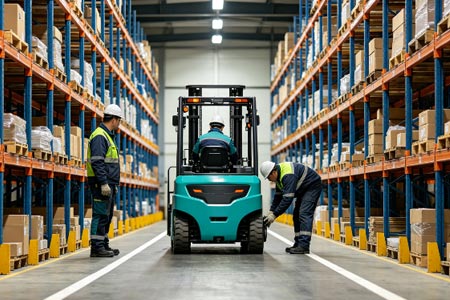
Below are three core servicing dimensions to cut brake system faults and lower long-term Forklift Equipment Servicing costs:
Key Point 1: Never mix different brake fluids; regular fluid changes prevent air lock failure
DOT3 and DOT4 brake fluids feature distinct chemical compositions. Mixing varieties corrodes pipeline sealing rings and causes oil leakage.
Standard working environment: Replace brake fluid every 3 months;
Cold storage & high-humidity warehouses: Shorten cycle to every 2 months. Water contamination inside brake fluid creates air lock, resulting in spongy brake pedals and complete braking failure — one of the top causes of warehouse safety incidents.
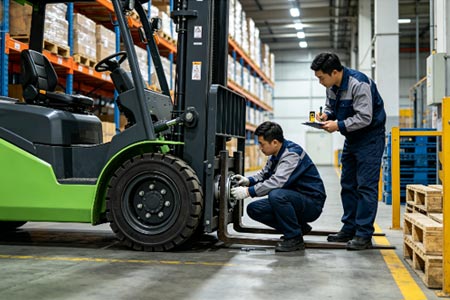
Key Point 2: Replace brake pads once reaching wear threshold, avoid metal-on-metal grinding
Many warehouses delay replacement until friction pads are fully worn away. Direct metal contact permanently scratches brake discs and brake drums, doubling subsequent repair costs. Judgment standards:
Disc brake pads: Replace immediately when remaining thickness ≤3mm;
Drum brake linings: Replace once wear exceeds 50%. Measure pad thickness as a priority weekly inspection item.
Key Point 3: Bleed air from pipelines & balance brake clearance to prevent one-sided pull
After cleaning dust or replacing brake pads, only swapping parts without gap adjustment and air bleeding leads to hidden hazards:
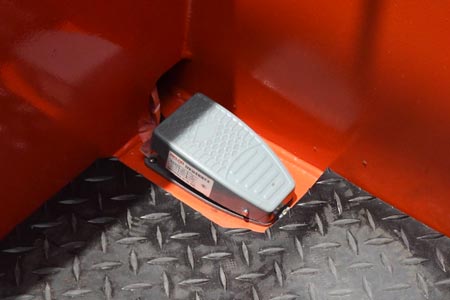
Trapped air inside brake lines lengthens stopping distance drastically;
Uneven left-right brake clearance makes the truck drift sideways during braking, easily colliding with racks in narrow aisles and turning zones. Always conduct empty-load and full-load test runs after maintenance to verify balanced braking without drifting.
We will share full systematic periodic care workflows for comprehensive Forklift Equipment Servicing in the next article due to length limits. Leave your questions about forklift maintenance below, and we will release targeted practical guides continuously.
-
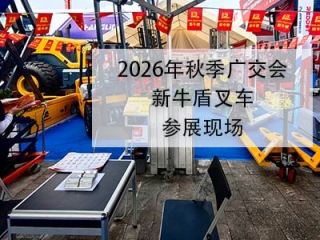 Newnewton Forklift Export, Canton Fair Electric Warehouse Forklift ManufacturerAt the 140th Canton Fair, Newnewton displays full electric warehouse equipment, including cold storage and explosion-proof models with CE, OEM and export support.
Do you like ?0
Read more -
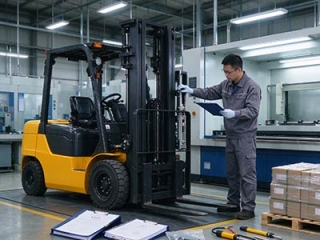 Electric Forklift Factory Direct Quotation, Warehouse Handling EquipmentSame model electric forklifts have varied quotes due to different configurations. Provide load, lift, working conditions and certifications for accurate direct factory pricing.
Do you like ?0
Read more -
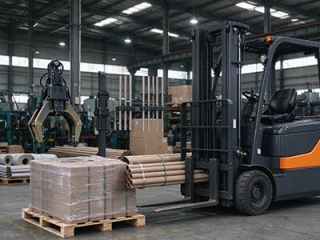 5 Common Working Scenarios for Customized Warehouse Forklift SolutionsStandard forklifts fail to fit special warehouse conditions. The factory offers customization for narrow aisles, cold rooms, explosion-proof and outdoor heavy-load scenarios.
Do you like ?0
Read more -
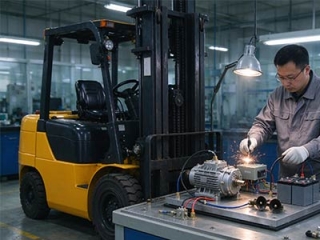 What Tests Are Conducted Before Explosion Proof Forklift DeliveryExplosion-proof forklifts are for flammable and dusty warehouses. They pass strict tests on structure, electrics, temperature and hydraulics before delivery.
Do you like ?0
Read more -
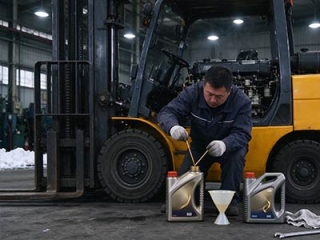 How to Maintain Internal Combustion Forklift in Cold WinterInternal combustion forklifts suffer hard starting and fuel icing in cold weather. Maintain fuel, oil, battery and cooling systems for winter use.
Do you like ?0
Read more -
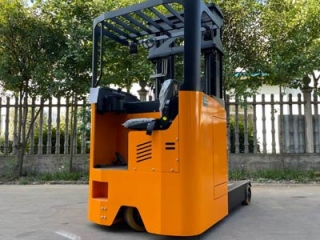 2 Ton Sit-down Reach Stacker, Sit-on Electric Reach Stacker2-ton seated reach stackers fit narrow aisle high rack warehouses. Its extending mast works for two-shift stacking; watch aisle size and high lift capacity deration.
Do you like ?0
Read more