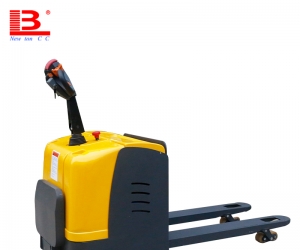
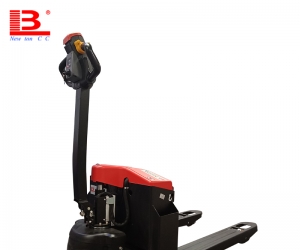
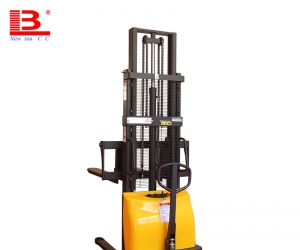
Counterbalance Warehouse Stacker, Custom Stand-on Counterbalance Stacker
Do not modify structures blindly. Customization of stand-on counterbalance stacker involves adjustments to masts, counterweights and hydraulic parameters. If you only focus on outer dimensions and skip stability verification, the machine may shake severely at high lifting heights or tip forward, failing to meet special equipment regulations. This guide distinguishes customizable items and core structures that cannot be altered privately, which is critical for custom orders.
A raw material warehouse buyer once planned to raise the mast, extend forks and add extra counterweights on an original 1-ton model. The manufacturer rejected this plan after assessment. The rated load, load curve, counterweight mass, mast strength and hydraulic pressure of a counterbalance stacker are designed as a linked system. Changing any single part will break the whole mechanical balance.
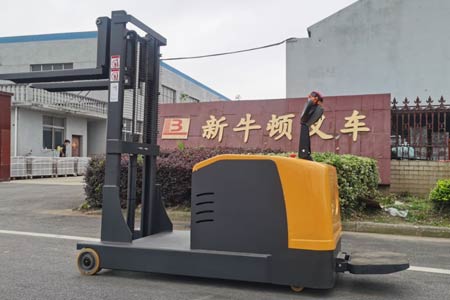
Extra counterweights cannot increase load capacity. Instead, they overload the rear axle and steering wheels and extend braking distance. In case of accidents, maintenance support and insurance will become invalid, violating TSG 81 requirements. Acceptable custom options are mostly configuration adjustments that do not affect stability.
You may switch to lithium battery systems, install low-temperature kits, adjust body color, print brand logos, change bumpers and rearrange control handles. Minor adjustments to fork length and fork width are also permitted if verified by the manufacturer. These changes will not alter load curves or counterweight ratios, and full test documents are supplied with delivery.
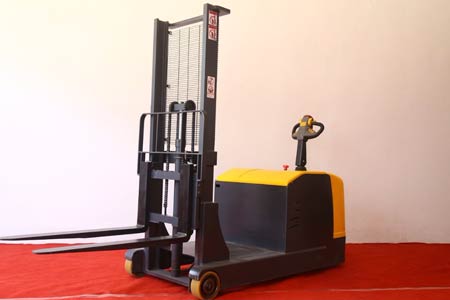
Orders requiring new mast height, rated load or counterweight structures cannot be rebuilt based on existing models. Stability calculation and load curve check must be carried out again. Nameplates and technical files need updating together with relevant type verification, instead of simple cutting and welding. Traders who only adjust appearance without supporting calculation reports bring huge hidden risks.
Before customizing counterbalance warehouse stacker, provide pallet size, rack height, aisle width and floor conditions to the manufacturer for a compliant plan. Avoid forcing changes to core load-bearing structures. Choose optional accessories within the original design to balance on-site demands and special equipment safety rules.
Contact us if you need a trusted forklift manufacturer to design personalized warehouse solutions.
-
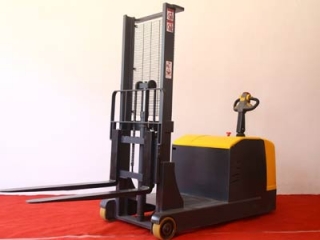 Counterbalance Warehouse Stacker, Custom Stand-on Counterbalance StackerModifying mast, counterweight or hydraulics of stand-on counterbalance stackers breaks balance and violates TSG 81. Distinguish allowed options and restricted core structures.
Do you like ?0
Read more -
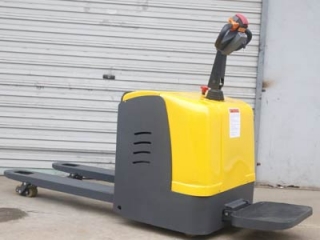 Stand-on Fully Electric Pallet Truck Price Factors & Sourcing Guide2-ton stand-on pallet trucks vary greatly in price. Differences lie in battery, controller, frame and warranty. Comparing only tonnage risks downgraded units.
Do you like ?0
Read more -
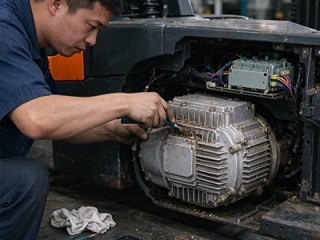 Why Does Electric Pallet Truck Motor Overheat & Daily Maintenance TipsSlight warming of walkie pallet truck motors is normal. Hot casing or odors mean overheating, often from overload, stuck wheels, dust or worn brushes.
Do you like ?0
Read more -
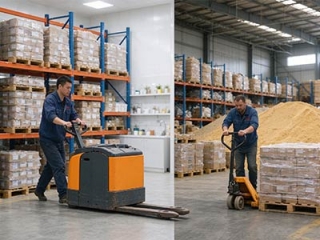 Differences Between Mechanical Pallet Jack and Hydraulic Pallet JackMechanical pallet trucks differ from hydraulic ones in lifting drive. Mechanical types have no oil leakage for clean light loads, while hydraulic versions offer stronger load capacity.
Do you like ?0
Read more -
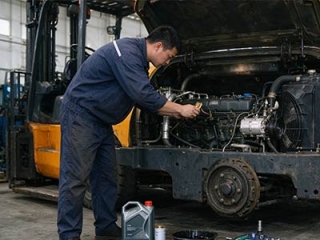 How to Maintain Diesel Forklift | When to Change Forklift Engine OilDiesel forklift oil change intervals vary. 200 hours for clean single-shift use. Shorten cycles for dusty, heavy or cold conditions and replace filters together.
Do you like ?0
Read more -
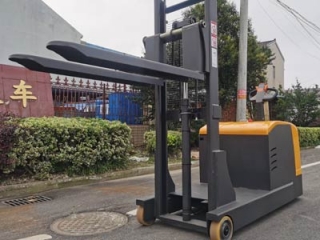 Legless Counterbalance Stacker: Solve Pallet Jamming ProblemsLegged stackers often jam thick pallets. Legless stand-on counterbalance stackers with rear weights handle irregular loads for workshops with mixed pallets and tool bins.
Do you like ?0
Read more