
Worldwide, all-electric pallet trucks have become a leader in the field of logistics handling equipment. However, as businesses use more of these devices, so do concerns about potential failures. How to effectively avoid or eliminate faults has become an urgent problem to be solved. In view of this, we have specially collected and summarized some problems that are prone to occur during the use of electric pallet trucks and corresponding solutions.
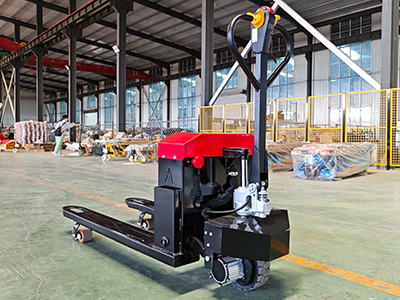
Common faults and solutions
Fault 1: Trembling occurs when lifting
1. There is air in the lifting cylinder: it is solved by exhausting through multiple load and lifting operations.
2. Hydraulic system oil leakage: Repair and replace oil seals and hydraulic cylinders.
All-electric pallet truck
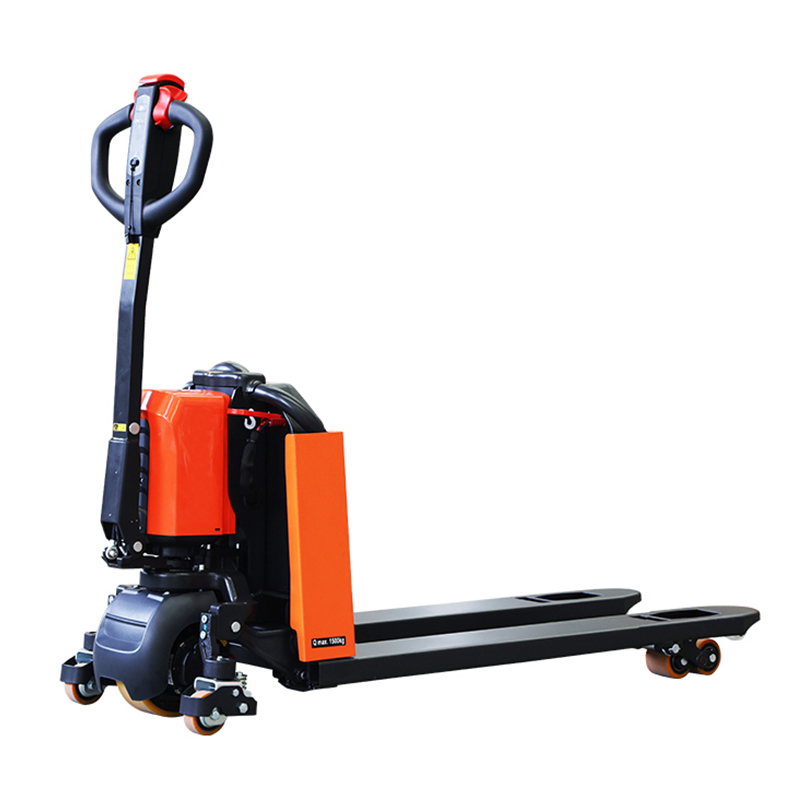
Fault 2: Self-descent when there is load
1. Oil leakage from oil pipe or oil joint: replace the seal.
2. Solenoid, manual reversing valve, check valve with dirt stuck or seal wear: clean the valve group and replace the seal.
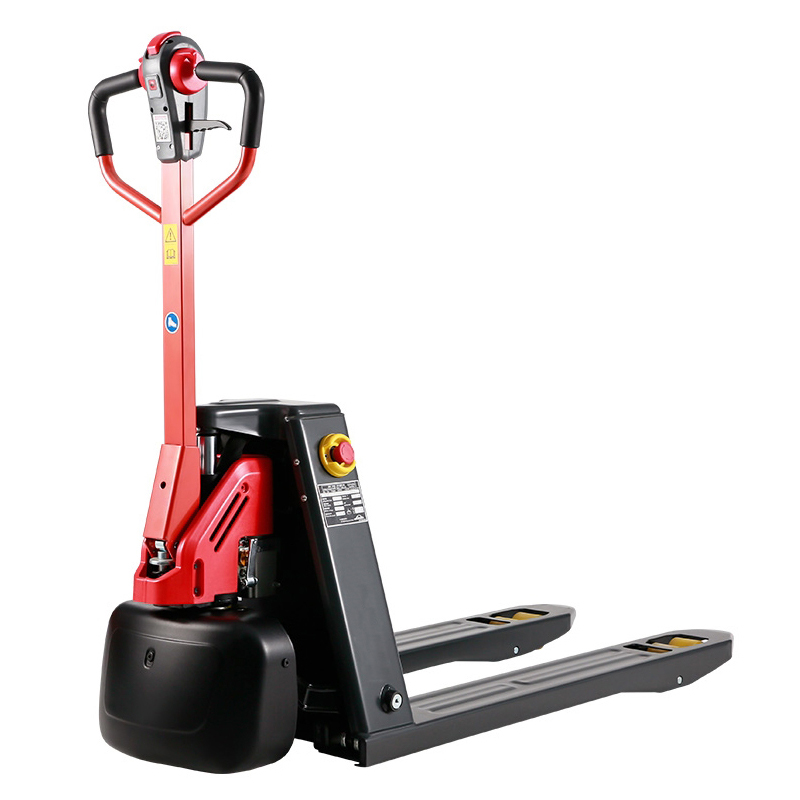
All-electric pallet truck
Fault 3: The lifting speed is too slow or cannot be lifted
1. Lack of oil in the oil tank: the hydraulic oil needs to be replenished or all replaced.
2. Insufficient pressure on the relief valve: re-adjust.
3. The hydraulic oil temperature is too high for a long time: replace the hydraulic oil.
Fault 4: The drive wheel produces abnormal noise when walking
1. Lubricating oil mixed with hard debris: replace the lubricating oil.
2. Excessive wear or damage to the bearing: needs to be replaced.
Fault 5: Brake failure
1. The control circuit is not disconnected: Check the control system.
2. Brake pads are worn: replaced.
Fault 6: Completely immobile
1. Check if the electric door lock is open or broken.
2. Whether the battery is charged: The battery is not charged and replenished.
Fault 7: Unable to move forward or backward
1. Insufficient battery power: replenish the battery.
2. Loose travel control micro switch: Tighten the screw.
Fault 8: The battery has a short battery life and cannot be charged
1. Insufficient battery solution: Replenish distilled water or lead-acid water.
2. Poor contact of power outlets: trim the contact surface.
Fault 9: The charger is not working
1. The charger does not show any of the chargers: the capacitor is blown out.
The above are some possible faults of all-electric pallet trucks and the corresponding troubleshooting methods. Of course, there may be differences for different models of all-electric pallet trucks. We hope you find this information helpful.
-
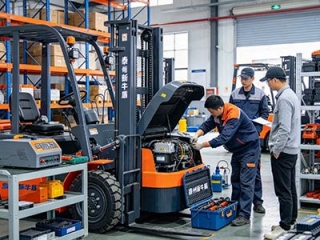 Taizhou newnewton Forklift Manufacturer IntroductionAvoid selecting warehouse forklifts only by unit price. Check site conditions, certificates and after-sales. Newnewton, Taizhou source factory, provides full product range, CE certification, customization and reliable spare parts supply.
Do you like ?0
Read more -
 Semi-electric Stacker vs Manual Stacker Cost ComparisonWhen buying stacking equipment for small warehouses, compare semi-electric stackers and manual stackers from cost, efficiency and maintenance to balance upfront expense and long-term investment.
Do you like ?0
Read more -
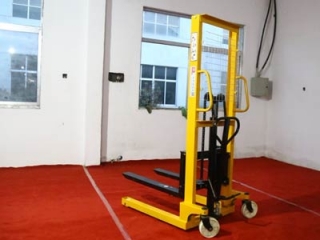 CE Certification for Manual Hydraulic StackerNewnewton manual hydraulic stackers exported to EU need CE certification complying with 2006/42/EC and EN1757-1, including safety assessment, technical documents and product compliance checks.
Do you like ?0
Read more -
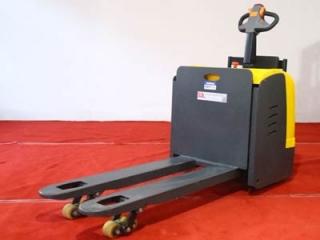 Stand-on vs Walk-behind Electric Pallet Truck ComparisonUnderstand the differences between stand-on and pedestrian electric pallet trucks in operation, efficiency, aisle requirements and costs. Choose the right model based on warehouse scale, transfer distance and order volume.
Do you like ?0
Read more -
 Operation Notes for Electric Self Elevating TruckPedestrian electric stackers cover tiered brand options with different features. International brands offer stable performance at high cost, while domestic brands and factory suppliers provide better cost performance and customization.
Do you like ?0
Read more -
 Operation Notes for Electric Self-elevating Truck | Truck Mounted Forklift SafetTruck-mounted self-loading forklifts fixed on truck tails handle cargo without loading docks. Control load and cargo gravity, inspect equipment and avoid soft slopes to prevent tipping and falling goods.
Do you like ?0
Read more








