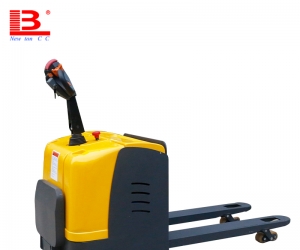
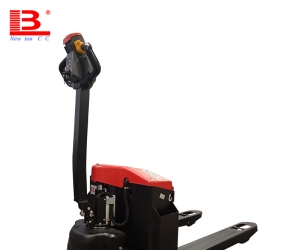
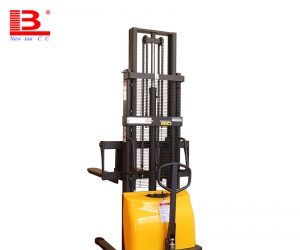
Advantages of Lithium‑Battery Self‑Loading Stacker for Truck‑On‑Board Handling
In conventional logistics distribution, truck loading and unloading usually depends on manual labor or truck‑mounted tail‑lifts. Manual work brings low efficiency, while installing tail‑lifts for every truck requires heavy capital outlay. Both solutions have obvious drawbacks. The portable electric stacker solves loading‑unloading challenges and completes pallet handling without extra auxiliary equipment. Its main advantages are listed below.
No truck modification required, shared among multiple vehicles to cut investment Procurement plus installation of traditional hydraulic tail‑lifts costs a lot, and tail‑lifts are permanently fitted to one single box truck with little residual value after vehicle retirement. The lithium‑battery self‑loading stacker needs no welding or hydraulic‑pipe refitting on trucks. Stored inside cargo compartments, one unit can serve several trucks in rotation. For small‑and‑medium fleets of no more than five vehicles, it greatly amortizes equipment cost and avoids annual‑inspection troubles caused by vehicle refitting. When idle, it occupies less than 1 m² inside the compartment without taking cargo‑storage space.
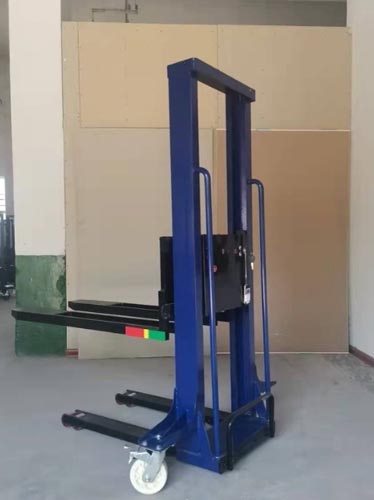
Lithium‑battery power, maintenance‑free for high‑frequency multi‑stop loading‑unloading Compared with lead‑acid self‑loading stackers, lithium‑ion versions deliver remarkable benefits. Built‑in BMS protection system for lithium iron phosphate battery realizes water‑free maintenance and supports fast charging. Opportunity charging can be done during delivery breaks. Its cycle life exceeds 2000 times, 3‑4 times longer than lead‑acid batteries. Pull‑out battery design allows quick spare‑battery swap to support continuous unloading across multiple stops all day long. Low‑noise and zero‑exhaust operation makes it fit for supermarkets, industrial parks and enclosed workplaces.
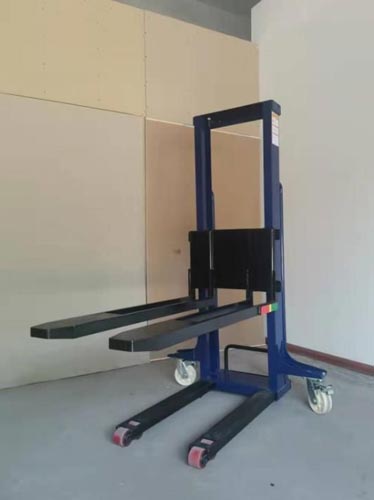
Self‑climbing function, single‑operator pallet loading‑unloading Equipped with built‑in self‑lifting support mechanism, this electric stacker finishes pallet transfer between ground and truck container by one operator, with no loading dock or external forklift needed. Upon arrival at delivery points, the machine climbs onto truck cargo hold directly for cargo unloading, free from site‑condition restrictions. Real‑world site feedback shows that single‑person operation of the lithium‑battery self‑loading stacker cuts single‑cycle handling time by over 40 % versus multi‑person manual pallet moving and greatly reduces operators’ waist‑and‑back‑injury risks.
Compact portable body, dual‑use for truck‑on‑board work and short‑range warehouse stacking Beyond truck‑mounted loading‑unloading tasks, the portable electric stacker can work as a compact stacker inside factory warehouses for short‑distance transport and low‑level stacking, realizing multi‑purpose utilization. Compact dimensions fit 4.2‑meter box trucks and urban‑delivery vans. Please note that this model is designed mainly for on‑board handling, with limited high‑lifting capacity. It matches lifting height for truck compartments and cannot replace large‑size industrial stackers for high‑rack storage‑retrieval work.
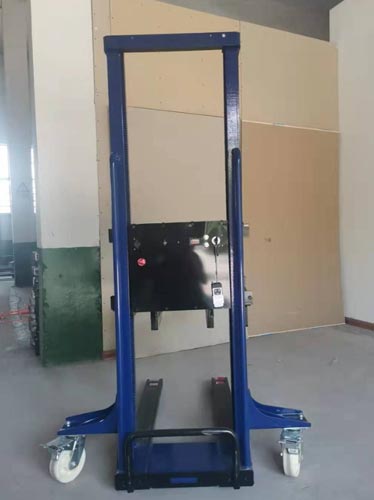
Simple maintenance and low long‑term operating cost The lithium‑battery self‑loading stacker has no complicated on‑board hydraulic pipelines like truck tail‑lifts. Daily maintenance only covers wheel inspection, battery‑status check and hydraulic‑leakage examination. Industry data shows that under normal operation, annual maintenance expense of stacker is far lower than truck‑mounted tail‑lifts with fewer failure points. Full‑set CE documentation is available for export orders.
The stacker addresses real‑world pain points in distribution‑logistics scenarios and helps enterprises reduce costs while lifting productivity. With competitive pricing and stable quality, it meets practical operational requirements.
-
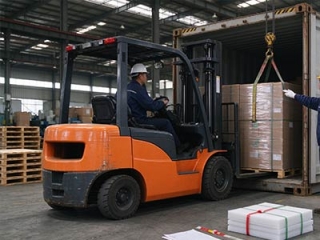 Newnewton Forklift Manufacturer, Forklift CE Certification for ExportNewnewton forklift factory offers full CE certification complying with EN ISO 3691, complete technical documents and OEM service to reduce customs detention risks.
Do you like ?0
Read more -
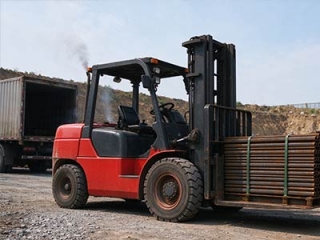 Electric Forklift Vs Diesel Forklift, Warehouse Selection GuideElectric forklift is zero-emission and quiet for indoor clean warehouses. Diesel forklift offers strong power for outdoor heavy-duty tasks.
Do you like ?0
Read more -
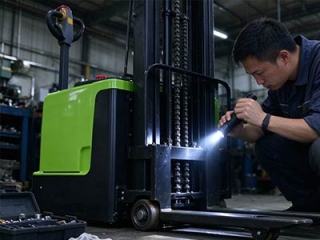 Narrow Aisle Stacker Forklift Custom Manufacturer for WarehouseCustom narrow aisle stacker for non-standard racking. Adjust body, mast and fork specs, upgrade power and protection, site survey available.
Do you like ?0
Read more -
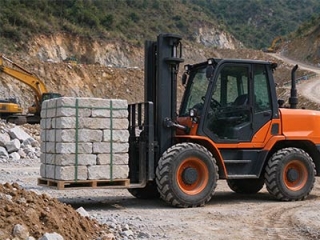 4WD All Terrain Rough Terrain Forklift Climbing for Mountain Sites4WD rough terrain forklift works on unpaved roads. Observe load climbing limit, attachments optional for forest and construction sites.
Do you like ?0
Read more -
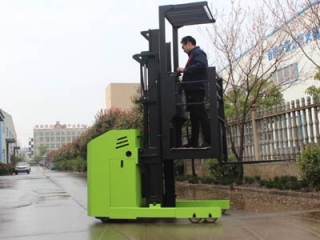 Man-Up Order Picker for High Level Picking, Suitable Warehouse ModesMan-up high level order picker for high-level split picking. Not for full pallet stacking, check rack, aisle and floor before selection.
Do you like ?0
Read more -
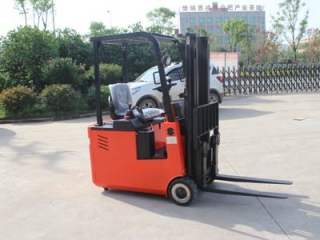 Narrow Aisle Operation Of Three-Wheel Forklift With Compact Turning RadiusThree-point electric forklift features small turning radius for narrow aisles. Reserve safety margin and check floor condition during selection.
Do you like ?0
Read more