
3 Sourcing Mistakes to Avoid When Buying 1-Ton Legless Rider Stacker
The 1-ton rider counterbalance stacker features good pallet compatibility, moderate load capacity and strong aisle adaptability, which makes it a popular stacking equipment for many small and medium-sized warehouses. Recognizing common selection misunderstandings in advance can reduce procurement errors and ensure the forklift matches on-site operations.
Only check nameplate tonnage and ignore load attenuation
The legless counterbalance stacker has obvious load attenuation. The 1 ton marked on the nameplate refers to the rated value at a low lifting height. When the mast rises to a high position, the actual allowable load will decrease.
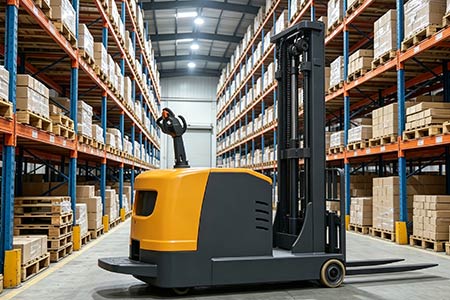
Some purchasers arrange working conditions directly according to the 1-ton mark, which leads to weak lifting and shaking of the machine during high-level stacking. Before placing an order, be sure to request the load curve of the corresponding model, and select the model based on the actual load capacity at the target working height instead of only referring to the nameplate.
Misunderstanding that legless models are suitable for all pallets
Without support legs, the legless rider electric stacker fits single-sided pallets, but it cannot adapt to all pallet types. Double entry pallets or pallets with too small ground clearance will cause fork operation interference. Pallets with narrow bottom gaps are easy to scrape the machine body during operation.
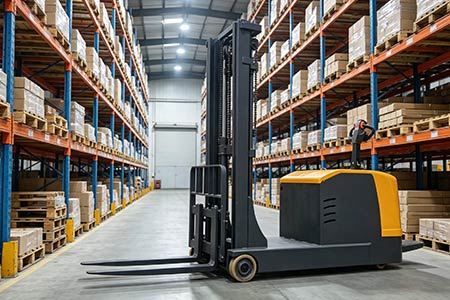
Before bulk purchase, it is better to provide pallet size and ground clearance for manufacturer verification. Prototype testing is recommended to prevent the equipment from being unusable after delivery.
Ignore constraints of aisle and ground conditions
Many buyers believe that legless stackers can work in ultra-narrow aisles and keep reducing warehouse aisle width. For rider-operated equipment, besides body width, safety space for operation and turning rotation should be reserved. The aisle width cannot be equal to the body width.
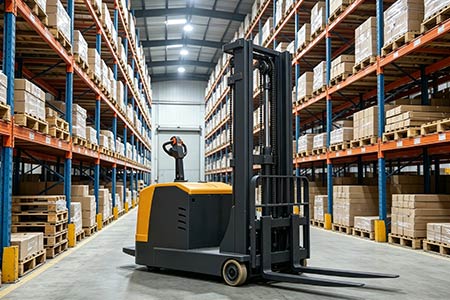
Besides, the ground should have no large pits or slopes. The legless structure is more sensitive to ground flatness. Turning sideways on slopes is forbidden. Unrepaired ground defects will increase the risk of tipping.
After reading the above content, you will know more about the legless rider electric stacker. Avoiding these pitfalls during procurement helps you choose reliable, cost-effective stacking equipment matching your working conditions. If you are unsure whether the warehouse condition fits this model, send us your aisle width, lifting height and pallet parameters for model selection support.
-
 Electric Stacker Manufacturer | Newnewton Walk-behind Electric StackerWide price gap of walkie stackers often lies between traders & manufacturers. Newnewton factory supplies full specs with strict quality inspection and transparent bulk prices.
Do you like ?0
Read more -
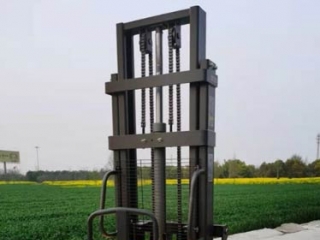 3 Configurations That Determine The Price of Semi Electric StackerSemi-electric stackers with similar appearances vary greatly in price. Check batteries, hydraulic assemblies and mast materials, select by operation frequency to cut future maintenance costs.
Do you like ?0
Read more -
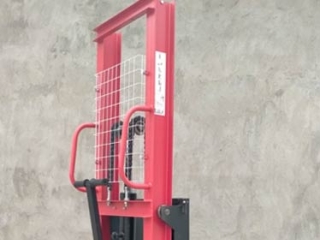 1 Ton Manual Hydraulic Stacker Wholesale | Main Selection FactorsDealers purchasing 1‑ton manual stackers should not focus solely on price. Verify hydraulics, frame steel, wheels, delivery and after‑sales service to avoid leakage and deformation issues.
Do you like ?0
Read more -
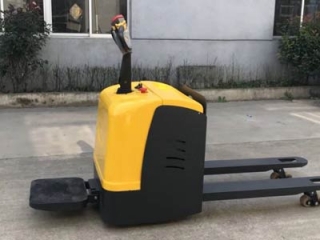 5 Application Scenarios for Rider Electric Pallet Truck SelectionLow pallet truck efficiency usually results from mismatched working conditions. This article summarizes five applicable scenarios for stand‑on trucks to avoid procurement waste and maximize equipment value.
Do you like ?0
Read more -
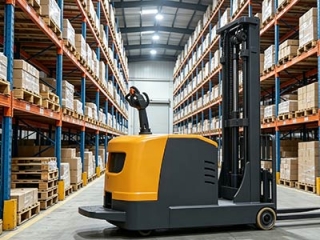 3 Sourcing Mistakes to Avoid When Buying 1-Ton Legless Rider Stacker1‑ton stand‑on counterbalance stackers fit single‑sided pallets. Watch high‑lift load attenuation, reserve aisle margins and check ground flatness before ordering.
Do you like ?0
Read more -
 What Costs Are Included In FOB Quotation For Export ForkliftForklift FOB quotation risks in foreign trade. Clarify included costs such as units, CE documents and loading. Sea freight and destination charges belong to buyers.
Do you like ?0
Read more








