How To Identify False Load Rating Of Heavy‑Duty Electric Stacker
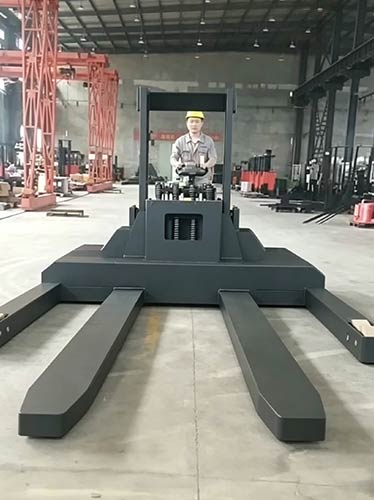
Do not make rough judgments merely by model number when purchasing forklifts. Verify real heavy‑load data of rated capacity, otherwise problems such as weak lifting, mast shaking and forward tilting may occur during operation, leading to schedule delay, budget waste and safety risks. How to distinguish falsely marked rated load of heavy‑workshop large‑ton stacker? Key points are listed below.
Check load capacity curve chart. Rated load does not mean full‑load performance at any lifting height. Refer to industrial vehicle standard GB/T 26949. Qualified manufacturers supply complete load‑curve documents indicating allowable load under different lifting heights.
Some suppliers only mark maximum tonnage on nameplate while hiding load‑reduction data at elevated height. Actual safe load drops along with lifting height. Request official load curve during procurement and confirm real carrying capacity under your target lifting height instead of only relying on nameplate figures.
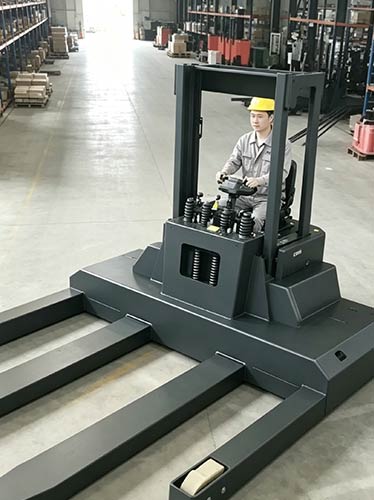
Steel specification of frame and mast. Reliable load performance for large‑ton electric stacker depends on heavy‑gauge mast channel steel and reinforced chassis frame. To cut cost, falsely‑rated units adopt thin steel plates and insufficient‑thickness mast channels.
Ask suppliers for steel‑material specifications and compare with standard models of same tonnage. Thin‑built mast and rough welds usually indicate insufficient loading capacity. Thin steel components are prone to mast deformation and weld cracking under heavy‑duty conditions.
Hydraulic system configuration. Lift cylinders, hydraulic pumps and relief valves directly determine stacking performance. Falsely‑marked equipment applies small‑displacement pumps and undersized cylinders, with relief valve preset at excessive pressure.
Manually raising relief‑valve pressure can lift heavy goods temporarily yet accelerates damage of oil pipes and cylinders, which is service‑life overdraw. Confirm cylinder bore and pump flow rate. Reject non‑standard solutions relying on pressure adjustment for heavy‑load lifting, and ask for factory hydraulic test records.
Factory inspection report. Qualified large‑ton electric stacker shall complete full‑load and overload stability tests before delivery with complete inspection reports.
Falsely‑rated products cannot provide valid load‑test documents and only give verbal capacity promises. For export orders, cross‑check tonnage parameters on CE certificate to make sure they match ordered equipment. Avoid refitted units without official test documents.
-
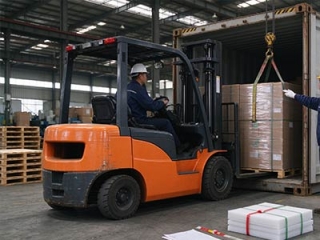 Newnewton Forklift Manufacturer, Forklift CE Certification for ExportNewnewton forklift factory offers full CE certification complying with EN ISO 3691, complete technical documents and OEM service to reduce customs detention risks.
Do you like ?0
Read more -
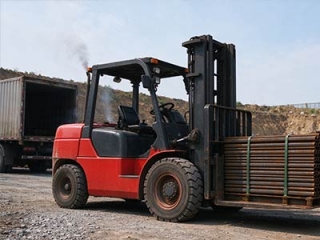 Electric Forklift Vs Diesel Forklift, Warehouse Selection GuideElectric forklift is zero-emission and quiet for indoor clean warehouses. Diesel forklift offers strong power for outdoor heavy-duty tasks.
Do you like ?0
Read more -
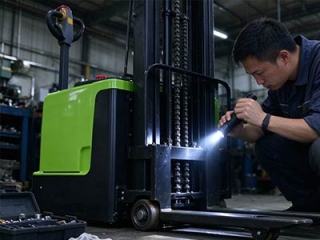 Narrow Aisle Stacker Forklift Custom Manufacturer for WarehouseCustom narrow aisle stacker for non-standard racking. Adjust body, mast and fork specs, upgrade power and protection, site survey available.
Do you like ?0
Read more -
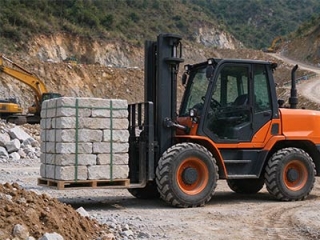 4WD All Terrain Rough Terrain Forklift Climbing for Mountain Sites4WD rough terrain forklift works on unpaved roads. Observe load climbing limit, attachments optional for forest and construction sites.
Do you like ?0
Read more -
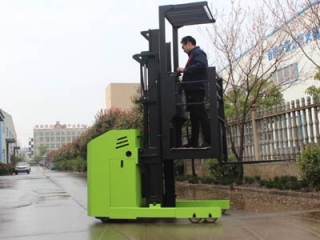 Man-Up Order Picker for High Level Picking, Suitable Warehouse ModesMan-up high level order picker for high-level split picking. Not for full pallet stacking, check rack, aisle and floor before selection.
Do you like ?0
Read more -
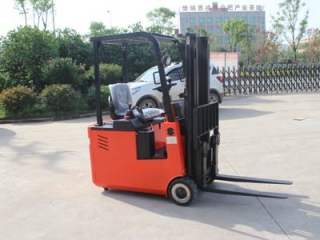 Narrow Aisle Operation Of Three-Wheel Forklift With Compact Turning RadiusThree-point electric forklift features small turning radius for narrow aisles. Reserve safety margin and check floor condition during selection.
Do you like ?0
Read more