
Straddle Electric Stacker: 1 Ton or 1.5 Ton? A Complete Buying Guide
Many business owners face confusion when choosing a straddle electric stacker: what should you rely on for straddle electric stacker load capacity selection? Should you choose 1 ton or 1.5 ton? Too small a capacity may not meet your needs, while too large can mean unnecessary costs and a bigger machine. Today, we’ll help you make the right choice without wasting money.

1-ton models are ideal for e-commerce, light cargo, small items, and light-duty warehouses. These places usually have very narrow aisles and limited space, with low daily handling frequency and a limited budget. If you only move light loads, this capacity is sufficient.
1.5-ton models work best in most factories, hardware, building materials, and logistics warehouses. Cargo weight here is often inconsistent—sometimes light, sometimes heavy. For multi-purpose use, future flexibility, long-term durability, safety, and extra load margin, the 1.5 ton walkie straddle electric pallet stacker is the better choice.

You can also decide based on your pallets and cargo. If the total weight is under 900 kg, a 1-ton stacker works. For heavier loads, you will need the 1.5 ton walkie straddle electric pallet stacker. If you’re unsure about the exact weight, plan to handle heavier loads in the future, or want to avoid overloading and damaging the machine, you can confidently choose 1.5 tons.

In summary, when choosing a stacker, you must fully consider load capacity—not only your current cargo volume but also your future business growth and operational needs. The straddle electric stacker performs well in various narrow-aisle environments. Once you confirm the right load capacity, you can select the most suitable equipment for your operation.
-
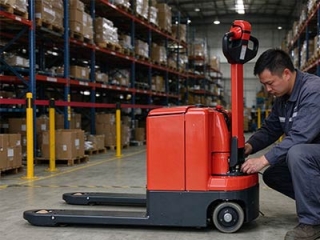 Maintenance Notes for Double Pallet Truck Under Heavy Warehouse LoadsOperators often ignore abnormal motor noise of double pallet trucks during rush orders. Continuous operation burns motors. Timely maintenance prevents failures.
Do you like ?0
Read more -
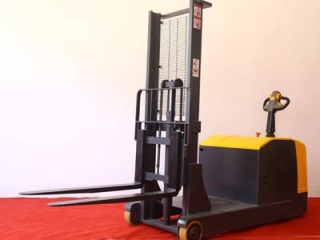 How to Get Accurate Quotations for Stand-on Counterbalance StackerStand-on counterbalance stackers rely on rear weight for stability and cost more. Battery, load, lift height and custom options affect final quotations.
Do you like ?0
Read more -
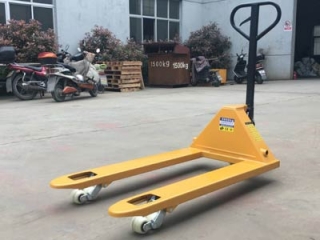 Manual Stacker Vs Pallet Jack: Key Operational Function DifferencesNew buyers confuse manual pallet trucks and manual stackers. They differ in lifting function. Pallet trucks for transfer, stackers for racking to avoid risks.
Do you like ?0
Read more -
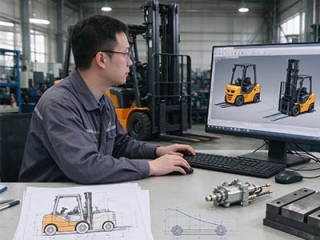 Custom Forklift Dimensions for Export to Fit Narrow Warehouse AislesForklift export faces size risks. Overseas orders may fail door, container or aisle fit. Customization needs balance of gravity, load and target market certifications.
Do you like ?0
Read more -
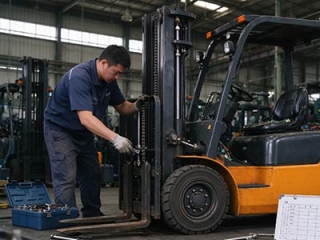 Forklift Safety Management Guide Based on Special Equipment SpecificationsForklifts are special equipment. Follow TSG 81 with training, records, inspection and on-site control to prevent accidents and penalties.
Do you like ?0
Read more -
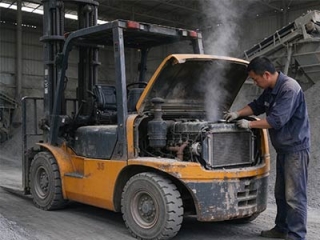 Heavy-Duty Diesel Forklift High Temperature Troubleshooting Guide3.5t diesel forklifts often overheat when handling sand and stone. Inspect cooling system step by step: radiator, belt, shroud, thermostat and water pump.
Do you like ?0
Read more








