
Many customers who buy semi-electric stackers immediately ask: How long do semi-electric stackers last? We understand that everyone wants a long service life to maximize value for money.
If your budget is tight, the durability of the forklift directly determines whether your investment is worthwhile. Here, I would like to introduce the economical semi-electric stacker, which stands out for its cost-effective materials and design tailored to operational needs.

Under normal conditions, a semi-electric stacking truck with reliable quality and proper maintenance can easily last 5 to 8 years. With careful use and regular maintenance, it may even last longer. However, frequent overloading, rough handling, and lack of maintenance can lead to issues like lifting failure, oil leakage, and frame deformation within just 2-3 years, causing frustration and unnecessary replacement costs.

To extend the service life, follow these key tips:
Avoid overloading: The simple structure of semi-electric stackers makes them particularly vulnerable to damage from Long-term overloading,which harms the hydraulic system and frame.
Regular lubrication: Apply oil to chains, bearings, and wheels periodically to reduce friction and ensure smooth operation.
Protect from water and impact: Keep the electric lifting components away from water and severe collisions.
Battery care: Use and charge the battery regularly to prevent deep discharge, which can lead to premature battery failure.

For small warehouses, small factories, short-term use, or budget-conscious users, the economical semi-electric stacker offers excellent value. It is more affordable than fully electric models and more labor-saving than manual ones. Combining electric lifting with manual walking, it is ideal for occasional use and short-term tasks. With proper use and care, it can serve you for more than 5-6 years, resulting in a very low annual cost.
-
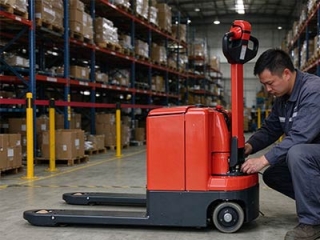 Maintenance Notes for Double Pallet Truck Under Heavy Warehouse LoadsOperators often ignore abnormal motor noise of double pallet trucks during rush orders. Continuous operation burns motors. Timely maintenance prevents failures.
Do you like ?0
Read more -
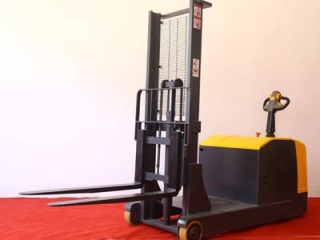 How to Get Accurate Quotations for Stand-on Counterbalance StackerStand-on counterbalance stackers rely on rear weight for stability and cost more. Battery, load, lift height and custom options affect final quotations.
Do you like ?0
Read more -
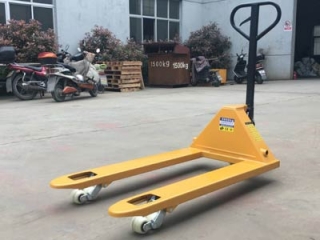 Manual Stacker Vs Pallet Jack: Key Operational Function DifferencesNew buyers confuse manual pallet trucks and manual stackers. They differ in lifting function. Pallet trucks for transfer, stackers for racking to avoid risks.
Do you like ?0
Read more -
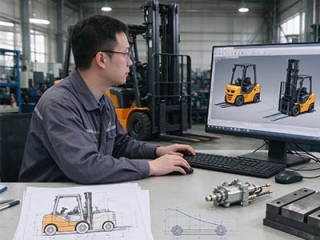 Custom Forklift Dimensions for Export to Fit Narrow Warehouse AislesForklift export faces size risks. Overseas orders may fail door, container or aisle fit. Customization needs balance of gravity, load and target market certifications.
Do you like ?0
Read more -
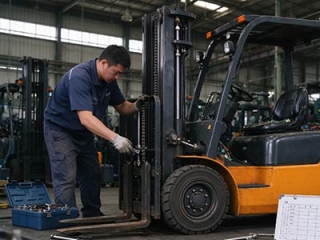 Forklift Safety Management Guide Based on Special Equipment SpecificationsForklifts are special equipment. Follow TSG 81 with training, records, inspection and on-site control to prevent accidents and penalties.
Do you like ?0
Read more -
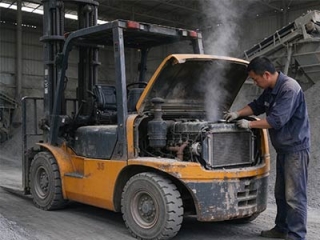 Heavy-Duty Diesel Forklift High Temperature Troubleshooting Guide3.5t diesel forklifts often overheat when handling sand and stone. Inspect cooling system step by step: radiator, belt, shroud, thermostat and water pump.
Do you like ?0
Read more








