How to Confirm Load Capacity for Warehouse Semi-electric Stacker
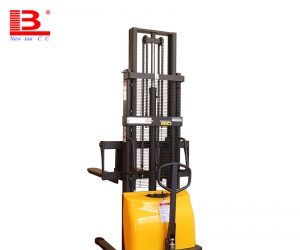
When purchasing semi-electric stackers for warehouses, buyers need to know common load capacity specifications of semi-electric stacker. While checking the rated load, high-position load attenuation should also be taken into consideration. It can prevent insufficient bearing capacity during stacking and guarantee normal warehouse stacking work. This article explains the rated load in detail for 1 ton semi-electric hydraulic stacker selection.
Definition of rated load The rated load of semi-electric stacker means the maximum cargo weight the equipment can stably bear at standard lifting height. The mainstream specifications on the market include 1 ton, 1.5 ton and 2 ton. Among them, 1 ton and 1.5 ton models are widely adopted in small and medium-sized warehouses.
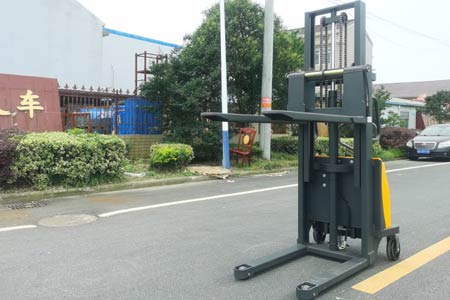
High-position load attenuation The higher the lifting height of the stacker, the lower the actual bearing capacity. Take the 1.5 ton semi-electric stacker as an example. Its actual allowable load will be less than 1.5 ton when the lifting height exceeds 3 meters. Buyers need to check the high-position load curve according to the maximum rack stacking height, instead of only referring to the tonnage on nameplate.
Cargo and pallet factors Calculate the total weight of goods and pallets. The total weight cannot exceed the allowable load at corresponding lifting height. Offset cargo center or overhanging goods will reduce stacker stability. A safety margin should be reserved.
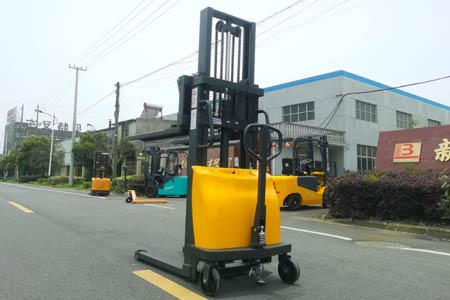
Safety margin reserved for working conditions For general warehouse application, it is recommended to reserve 15% to 20% load margin. Warehouses with frequent full-load and long-time continuous operation need larger margin. Long-term overload use will cause premature wear of hydraulic system and frame and increase failure risks.
1 ton semi-electric hydraulic stacker fits most small and medium-sized warehouses. You can evaluate cargo volume and turnover efficiency in your warehouse to choose this 1 ton stacker. Contact us if you have any doubts on model selection.
-
 Manual Hydraulic Pallet Jack Wholesale Purchase ChecklistBlind price comparison in bulk pallet truck procurement causes oil leakage and frame deformation. Check frame, hydraulics, wheels and after-sales to avoid procurement pitfalls.
Do you like ?0
Read more -
 6 Quick Solutions for Walkie Counterbalance Electric Stacker FaultsSudden failures of walkie counterbalance stackers disrupt stacking. Check common issues including movement, lifting, steering and battery, fix simple faults and report complex ones.
Do you like ?0
Read more -
 Source Factory Free Quote for Electric Self-loading StackerElectric truck-mounted forklifts solve tough cargo loading problems. Source factories offer better prices. Learn key configurations and required parameters for accurate quotations.
Do you like ?0
Read more -
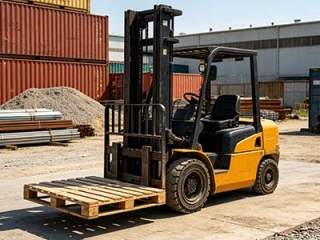 Market Price of Brand New 3 Ton Internal Combustion Forklift3-ton internal combustion forklifts vary greatly in price outdoors. Learn price ranges and factors like mast, engine and order quantity to avoid over-budget.
Do you like ?0
Read more -
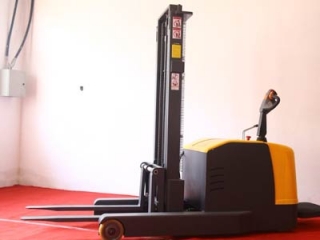 Reach Electric Stacker VS Ordinary Stacker for Warehouse StackingReach stackers and standard stackers differ greatly in aisle width, high-level stability and storage capacity. Compare pros and cons to select machines by warehouse conditions.
Do you like ?0
Read more -
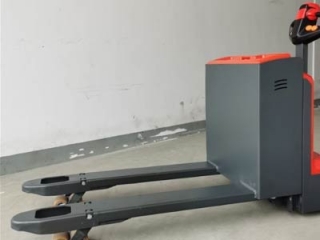 How to Choose Reliable Warehouse Walkie Electric Pallet Truck BrandsMany brands of walkie electric pallet trucks confuse buyers. Compare brand positioning, core components and certificates to select suitable warehouse handling equipment.
Do you like ?0
Read more