
Manual vs Walk‑Behind Electric Pallet Truck: Labor‑Saving Comparison
Many warehouse managers aim to boost productivity while cutting operational costs. When selecting material‑handling equipment, factors including labor intensity, working efficiency, site conditions and budget should be considered. This manual vs electric pallet jack comparison between manual handling and the walk‑behind pallet truck gives practical reference for buyers.
Labor Intensity Comparison Manual pallet jack: Operators repeatedly pump the handle to lift pallets and push heavy loads by physical force. According to industrial ergonomic tests, frequent handling of 1.5‑ton cargo puts heavy strain on operators’ waists and arms. Long‑time operation easily leads to lumbar muscle strain. Pushing resistance multiplies on uneven floors or with over‑weight pallets.
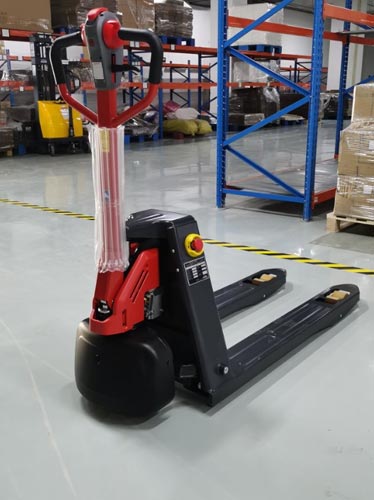
walk‑behind pallet truck adopts motor‑driven travel. Operators only hold the control handle to adjust direction, no heavy pushing‑pulling force required. Electric hydraulic lifting removes repeated manual pumping work. Operators mainly perform steering control, and physical consumption drops significantly.
According to CITA survey data, under identical handling volume, the walk‑behind electric pallet truck cuts operators’ physical effort by over 70 % and reduces human‑caused mistakes due to physical exhaustion.
Working Efficiency Difference Manual pallet jack fits low‑frequency and short‑distance transfer. With high daily throughput and long travel distance, operators get fatigued quickly and working speed drops sharply later in shifts.
Powered by motor, the walk‑behind electric pallet truck keeps steady speed regardless of operator physical status. For same distance and cargo weight, it improves handling efficiency by 35‑55 %. It works well for high‑frequency turnover in e‑commerce warehouses and production‑line workshops.
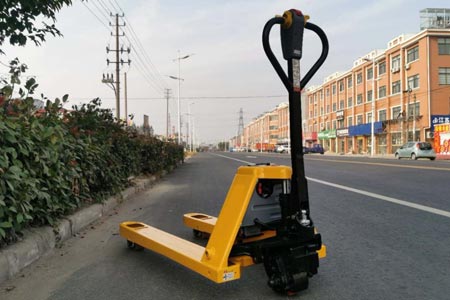
Applicable Working Scenarios Manual pallet jack ‑ Low daily handling frequency and small workload ‑ Very short transfer distance, occasional pallet loading‑unloading ‑ Tight budget, compact site, fragmented operating hours ‑ Intermittent auxiliary tasks without continuous handling assignments
walk‑behind electric pallet truck ‑ Continuous daily handling for production‑line inbound & outbound workflows ‑ High staff turnover caused by strenuous manual jack operation ‑ Large daily pallet throughput with high turnover‑efficiency requirements ‑ Ramps and uneven ground where manual pushing brings huge resistance
Procurement & Maintenance Costs Manual hydraulic pallet jack features low purchase price, almost zero power consumption and few wearing parts. Still, it fully depends on human labor and is unsuitable for heavy‑duty continuous work.
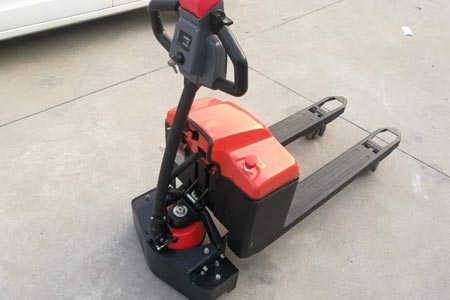
The walk‑behind electric pallet truck needs higher upfront investment and regular battery charging. Drive wheels, controller and battery are its main maintenance items. For high‑frequency long‑term applications, it brings better comprehensive benefits by lowering labor burden and operator‑injury risks.
To sum up, the walk‑behind electric pallet truck delivers better labor‑saving performance than manual pallet jacks. When purchasing, evaluate daily throughput, transfer distance and overall budget. Share your warehouse daily pallet volume, floor condition and regular load weight, and we will provide matched equipment suggestions and quotation references.
-
 Newnewton Forklift Manufacturer, Forklift CE Certification for ExportNewnewton forklift factory offers full CE certification complying with EN ISO 3691, complete technical documents and OEM service to reduce customs detention risks.
Do you like ?0
Read more -
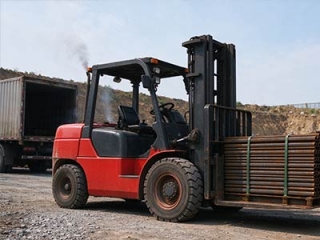 Electric Forklift Vs Diesel Forklift, Warehouse Selection GuideElectric forklift is zero-emission and quiet for indoor clean warehouses. Diesel forklift offers strong power for outdoor heavy-duty tasks.
Do you like ?0
Read more -
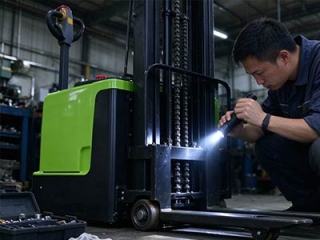 Narrow Aisle Stacker Forklift Custom Manufacturer for WarehouseCustom narrow aisle stacker for non-standard racking. Adjust body, mast and fork specs, upgrade power and protection, site survey available.
Do you like ?0
Read more -
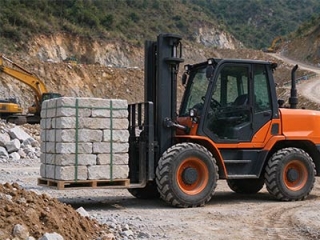 4WD All Terrain Rough Terrain Forklift Climbing for Mountain Sites4WD rough terrain forklift works on unpaved roads. Observe load climbing limit, attachments optional for forest and construction sites.
Do you like ?0
Read more -
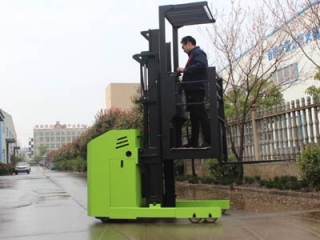 Man-Up Order Picker for High Level Picking, Suitable Warehouse ModesMan-up high level order picker for high-level split picking. Not for full pallet stacking, check rack, aisle and floor before selection.
Do you like ?0
Read more -
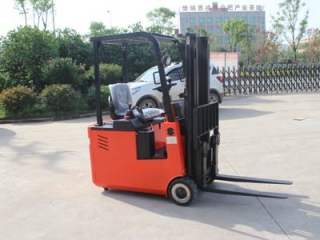 Narrow Aisle Operation Of Three-Wheel Forklift With Compact Turning RadiusThree-point electric forklift features small turning radius for narrow aisles. Reserve safety margin and check floor condition during selection.
Do you like ?0
Read more








