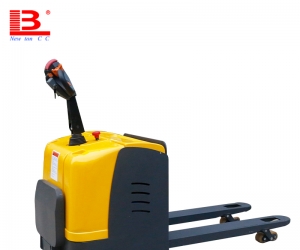
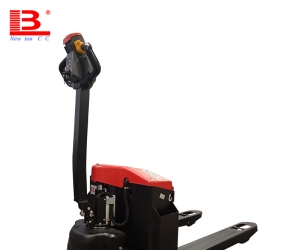
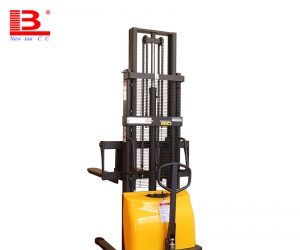
Choosing the right size for forklift pallet trucks, turnover pallets, and rack pallets is indeed a matter that requires several factors to consider.
Hey friends! Today I would like to talk to you about a seemingly simple topic that hides many pitfalls - choosing the size of forklift pallet trucks, turnover pallets and rack pallets. If you've ever had a headache with the misfitting of the tray, then trust me, this article will definitely help you a little. First, let's take a look at forklift pallets. Wow! These plastic pallets with thickened forks look sturdy and last longer! When choosing a forklift pallet, we need to pay attention to whether the center distance of the fork and the pallet match. The difference between hydraulic trucks, forklifts and electric forklifts is also something to pay attention to!
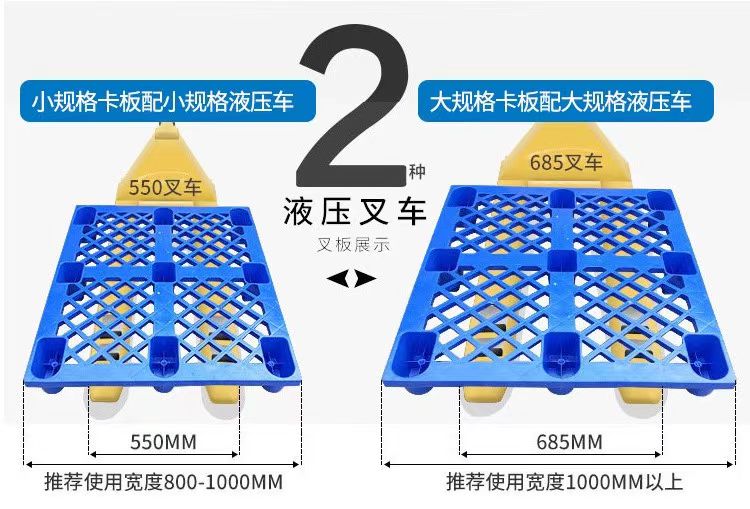
Next, let's explore the pallet. Hey, these pallets also have anti-slip points and anti-skid lines, which is a clever design! When choosing a turnover pallet, consider the size of the goods, so that the load-bearing surface of the pallet can be used more efficiently when stacking. Remember, the size of the cargo and the stacking method should be selected to match it just right! Finally, let's talk about shelf pallets. Plastic pallets for shelves are generally recommended to add steel pipes. In addition to increasing the load-bearing capacity, plastic pallets with added steel pipes also have better stability and service life. When choosing a shelf pallet, we need to consider its fork orientation and location size. After the pallet is placed on the cargo space, you should also leave some distance around it!
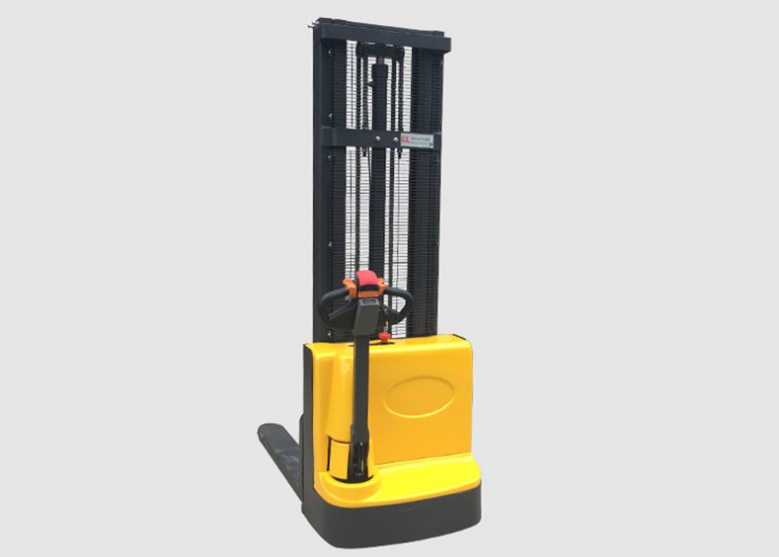
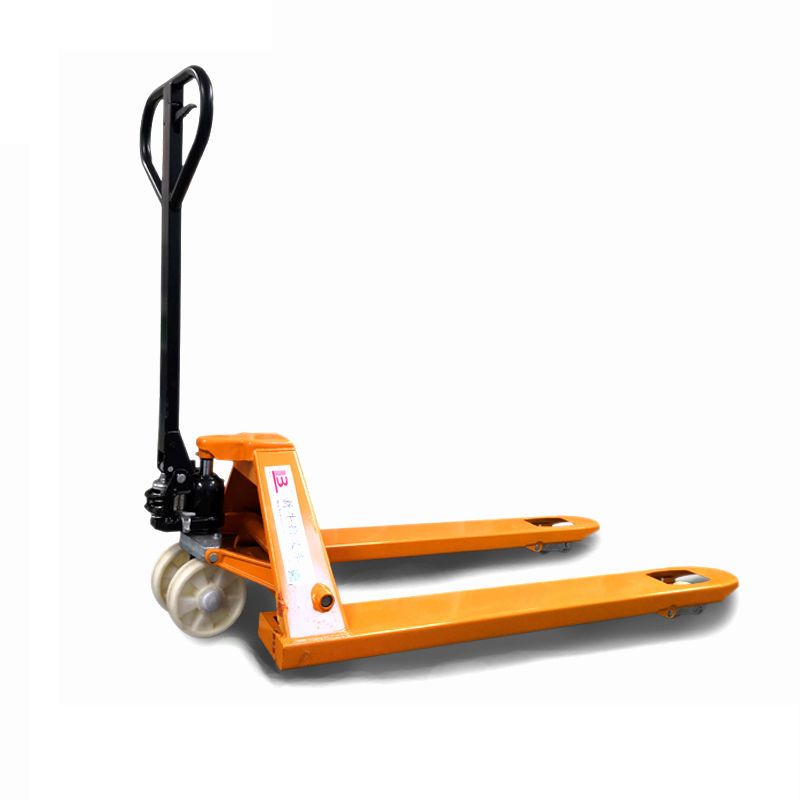
Okay, now let's take a look at the forklift pallet truck! As a kind of logistics and transportation equipment, pallet truck is one of the most commonly used loading and unloading tools in forklift transportation. It can easily move goods from A to B. There are two types: manual pallet trucks and electric pallet trucks. What's the difference between them? The forklift pallet truck is very simple and easy to use, just insert its forks into the pallet hole, and use human power to drive the hydraulic system to complete the lifting of the goods. It's very convenient and practical! However, there is also a need to pay attention to the size. There are some international standard sizes for manual pallet trucks, such as fork height, fork width, and fork length. Remember to meet the relevant requirements when choosing!
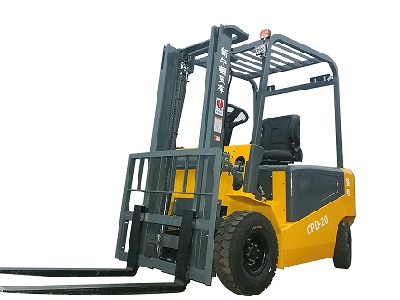
Electric pallet trucks, on the other hand, are more intelligent, they are driven by an electric system and can realize the automatic travel of the truck. According to the driver's operation, there are two types of walking, standing and seat-driven. When choosing an electric pallet truck, factors such as the size of the warehouse space, the size of the pallets and goods, the ground conditions, and the needs of the driver should be considered.
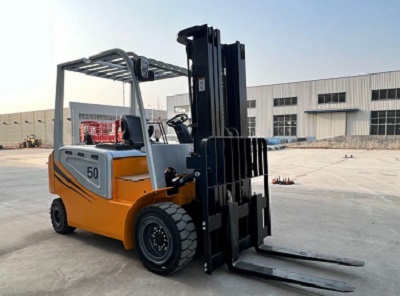
Well, then how to choose the right forklift pallet truck? We can think about it in several ways. First of all, it depends on the size of your space! If the warehouse is larger, electric equipment will be more suitable, and at the same time, it can reduce the fatigue of the driver. Secondly, considering the load size, if the load of the forklift pallet truck is higher, the electric pallet truck will be more safe and reliable. Then, the specifications and dimensions of the pallet and the cargo also need to be considered.Different specifications of pallets are suitable for different ways of stacking goods! In addition, the condition of the ground will also affect your choice, and for special terrain such as ramps and slopes, electric pallet trucks may be more suitable. Finally, it is also necessary to take into account the physical strength and endurance of the driver, after all, manual pallet trucks require more physical input. Hey, I hope this information helps you to be more informed when choosing pallets and pallet trucks! Remember, the right size is the right size. Choosing the right pallets and pallet trucks can make your cargo transportation more efficient and labor-saving.
-
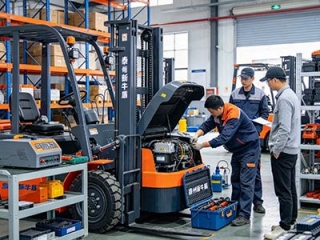 Taizhou newnewton Forklift Manufacturer IntroductionAvoid selecting warehouse forklifts only by unit price. Check site conditions, certificates and after-sales. Newnewton, Taizhou source factory, provides full product range, CE certification, customization and reliable spare parts supply.
Do you like ?0
Read more -
 Semi-electric Stacker vs Manual Stacker Cost ComparisonWhen buying stacking equipment for small warehouses, compare semi-electric stackers and manual stackers from cost, efficiency and maintenance to balance upfront expense and long-term investment.
Do you like ?0
Read more -
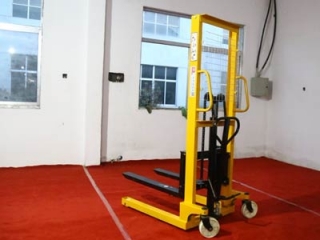 CE Certification for Manual Hydraulic StackerNewnewton manual hydraulic stackers exported to EU need CE certification complying with 2006/42/EC and EN1757-1, including safety assessment, technical documents and product compliance checks.
Do you like ?0
Read more -
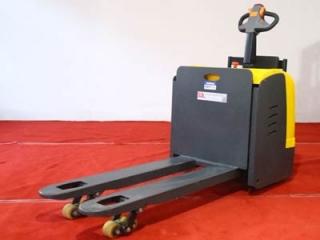 Stand-on vs Walk-behind Electric Pallet Truck ComparisonUnderstand the differences between stand-on and pedestrian electric pallet trucks in operation, efficiency, aisle requirements and costs. Choose the right model based on warehouse scale, transfer distance and order volume.
Do you like ?0
Read more -
 Operation Notes for Electric Self Elevating TruckPedestrian electric stackers cover tiered brand options with different features. International brands offer stable performance at high cost, while domestic brands and factory suppliers provide better cost performance and customization.
Do you like ?0
Read more -
 Operation Notes for Electric Self-elevating Truck | Truck Mounted Forklift SafetTruck-mounted self-loading forklifts fixed on truck tails handle cargo without loading docks. Control load and cargo gravity, inspect equipment and avoid soft slopes to prevent tipping and falling goods.
Do you like ?0
Read more