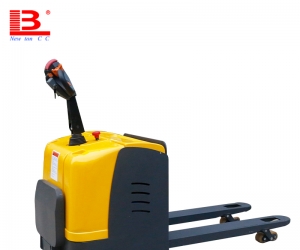
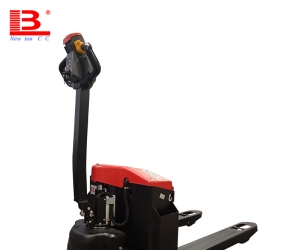
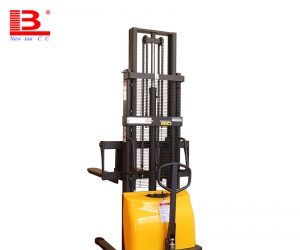
It is well known that when using machinery, we should always pay attention to the state of the machine to ensure safe operation. In fact, not only in use, but also like human beings, the machine needs regular "physical examination" for potential safety hazards, and prescribe medicine according to the symptoms for detailed maintenance or repair. This avoids many errors and accidents and provides a safe escort for safe use. So, how can I thoroughly inspect and maintain the all-electric stacker? The manufacturer of electric stacker truck gives the following suggestions.
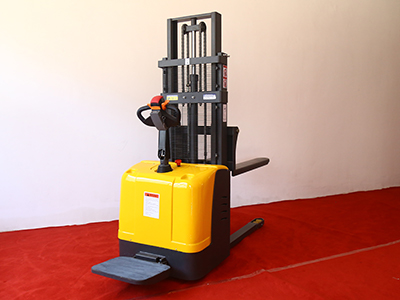
Always check the battery for damage. Verify flexibility of all-electric stacker high brake and steering devices; Check and regularly clean the dirt from forks, gantry frames, generators, starters, water tanks, etc. Check whether there is enough water in the battery and replenish it in time; Confirm tightness of parts; Check pipelines, engine room, brakes, cylinders and other parts for oil leakage; Check brake fluid, flow rate within scale and air mixing in brake line.
The manufacturer of the electric stacker truck recommends that the all-electric stacker truck be thoroughly inspected every six months. At the same time, attention should be paid not only to regular inspection and maintenance, but also to maintenance of stack truck in some details.
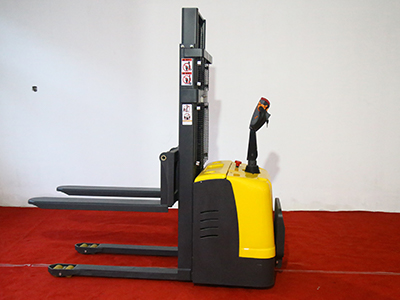
After using the all-electric stacker, it is necessary to charge in time to avoid power shortage and excessive charging for a long time, which will cause battery damage. Pay attention to frequent lubrication and use pure water when filling. In this way, the service life of electric stacker truck can be extended to the maximum, which can not only avoid potential safety hazards, but also effectively improve the working efficiency of the stacker truck and improve economic benefits for the enterprise.
-
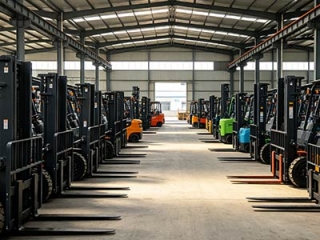 Newnewton Forklift: Source Factory with Independent Manufacturing CapacityOverseas buyers prefer real manufacturers over resellers. Newnewton Forklift is a direct factory with full in-house production, custom service and complete export certifications for warehousing equipment.
Do you like ?0
Read more -
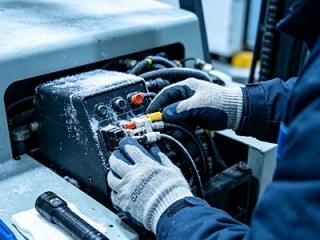 What to Note When Using Lithium Electric Forklifts in Cold StorageLow temperature and frost in cold storage age lithium electric forklift components. Adopt cold-resistant models and standardize charging and operation to stabilize warehouse handling and reduce breakdowns.
Do you like ?0
Read more -
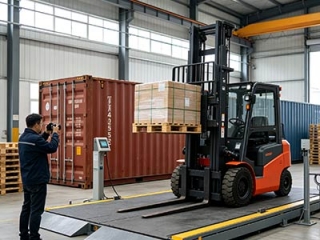 4 Delivery Capabilities to Evaluate Warehouse Forklift Export FactoriesFor bulk overseas warehouse procurement, multiple suppliers bring high communication costs and messy documents. Evaluate manufacturers by four capacities: full product supply, export docs, customization and after-sales spare parts.
Do you like ?0
Read more -
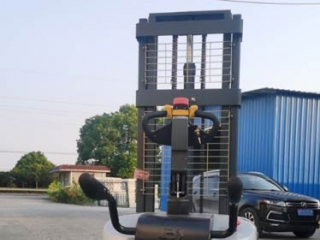 Stand-on Warehouse Stacker: Racking Matching & Core StrengthsRide-on electric stackers feature compact size and flexible steering. They fit multiple rack types including beam, narrow aisle and shelving racks to boost warehouse operational efficiency.
Do you like ?0
Read more -
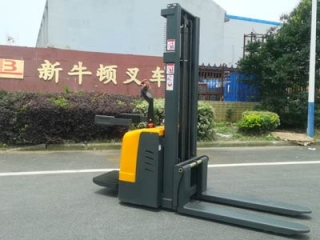 3 Parameters to Check if Double Fork Stand-on Stacker Fits Euro PalletsForeign trade warehouses often ignore pallet compatibility when purchasing ride-on double-fork stackers. Check fork width, fork length and ground clearance to fit EU pallets and avoid operation failures.
Do you like ?0
Read more -
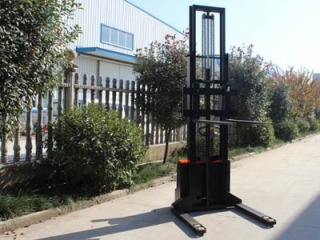 Advantages of Walk-behind Electric Stacker with Adjustable LegsAdjustable leg electric stackers flexibly adapt to various pallet sizes. The compact walking design solves messy pallet specifications and reduces warehouse equipment procurement costs.
Do you like ?0
Read more