
What are the common faults of the DC motor of the electric stacker?
The DC motor is an important component of the electric stacker. Although AC motors are very popular, DC motors are still widely used today. The faults of DC motors can be divided into electrical and mechanical faults. Electrical failures mainly occur in the winding, commutator, and brush parts. Mechanical failures mainly occur in the bearing part. Next, the stacker manufacturer will explain in detail what common faults exist on the DC motor of the electric stacker.
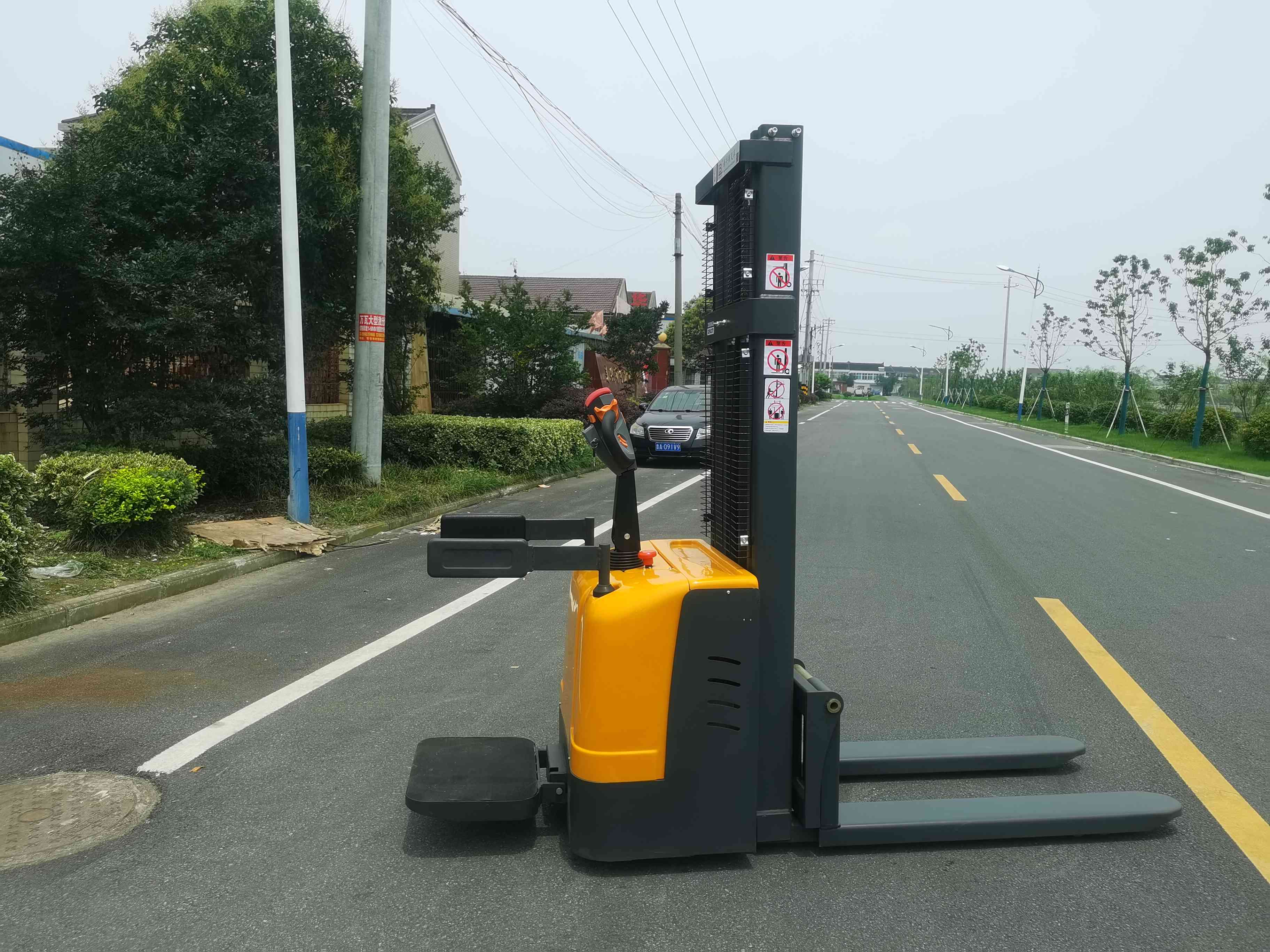
The first common fault is that the motor of the electric stacker cannot rotate. This problem may be caused by the following reasons: the power supply does not have voltage or the power supply is not connected; Poor contact between the brush and the commutator; Due to the excessive size of the brush, there is no contact between the brush and the commutator; There is a short circuit or grounding in the armature winding and excitation winding; Excitation winding wiring error; The bearing is too tight causing the armature to jam or overload. The second common fault is that the brush makes a strange noise. The stacker manufacturer told everyone that this may be due to excessive pressure on the brush spring; The brush texture is too hard; Mica protrusion between commutators; Caused by inconsistent brush size.
The third common fault is that the brush on the motor of the electric stacker produces sparks, causing severe friction between the commutator and the brush and generating severe heat. The reasons for this problem are as follows: the brush position is not correct; Poor contact between the brush and the commutator; The brand and size of the brush are inconsistent; The pressure of the brush spring is too small or too large; The commutator surface is rough and uneven, and the mica between the commutator pieces protrudes; Partial short circuit in armature winding; There is a short circuit between commutators or the commutator is grounded. The fourth common fault is excessive temperature of the motor winding and iron core. The stacker manufacturer told everyone that the possible causes of this problem are as follows: the motor is overloaded; The applied voltage is too high or too low; The motor winding is short circuited or grounded; Poor ventilation and heat dissipation conditions; The motor starts directly or reverses too frequently; Stator, rotor, iron core friction, bearing damage.
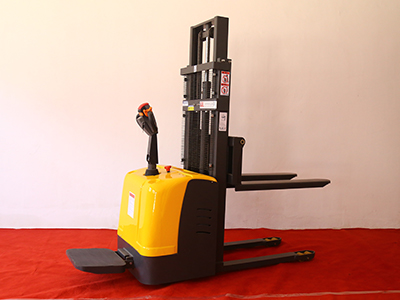
The above are four common faults of the electric stacker motor. Don't panic when encountering problems, just judge the cause and apply the appropriate medicine to the case. If you have purchased a electric stacker from the stacker manufacturer, you can consult the stacker manufacturer if you encounter any problems, and professional after-sales service personnel will be available to resolve them.
-
 Taizhou newnewton Forklift Manufacturer IntroductionAvoid selecting warehouse forklifts only by unit price. Check site conditions, certificates and after-sales. Newnewton, Taizhou source factory, provides full product range, CE certification, customization and reliable spare parts supply.
Do you like ?0
Read more -
 Semi-electric Stacker vs Manual Stacker Cost ComparisonWhen buying stacking equipment for small warehouses, compare semi-electric stackers and manual stackers from cost, efficiency and maintenance to balance upfront expense and long-term investment.
Do you like ?0
Read more -
 CE Certification for Manual Hydraulic StackerNewnewton manual hydraulic stackers exported to EU need CE certification complying with 2006/42/EC and EN1757-1, including safety assessment, technical documents and product compliance checks.
Do you like ?0
Read more -
 Stand-on vs Walk-behind Electric Pallet Truck ComparisonUnderstand the differences between stand-on and pedestrian electric pallet trucks in operation, efficiency, aisle requirements and costs. Choose the right model based on warehouse scale, transfer distance and order volume.
Do you like ?0
Read more -
 Operation Notes for Electric Self Elevating TruckPedestrian electric stackers cover tiered brand options with different features. International brands offer stable performance at high cost, while domestic brands and factory suppliers provide better cost performance and customization.
Do you like ?0
Read more -
 Operation Notes for Electric Self-elevating Truck | Truck Mounted Forklift SafetTruck-mounted self-loading forklifts fixed on truck tails handle cargo without loading docks. Control load and cargo gravity, inspect equipment and avoid soft slopes to prevent tipping and falling goods.
Do you like ?0
Read more








