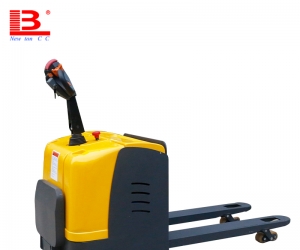
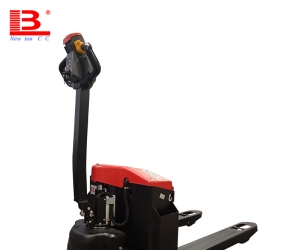
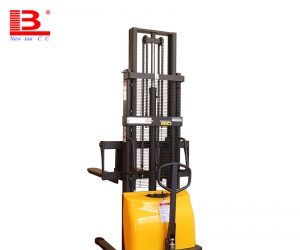
The 1 ton stand‑on stacker brings great convenience for SMEs on loading‑unloading, high‑level stacking and narrow‑aisle transfer, thanks to simple operation. However, buyers will notice huge price gaps for units with identical 1‑ton rated capacity. According to 2026 warehouse‑equipment market survey data released by China Industrial Vehicle Network, this article lists factory‑reference prices and analyzes core configuration differences for better budget planning and model comparison of the stand‑on full‑electric stacker.
Factory reference price (Factory reference price, excluding freight & export charges): ‑ Basic lead‑acid battery version (domestic controller, two‑stage mast): $1,912‑$2,279 ‑ Upgraded industrial LFP lithium‑ion version (same mast specification): $2,206‑$2,647
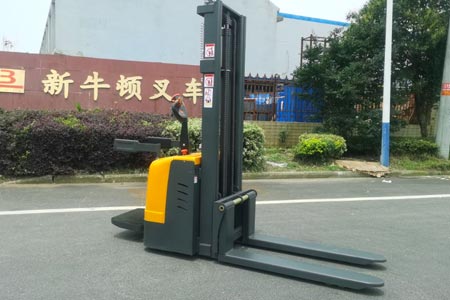
Retail prices from distributors usually add 15‑25 % on top of factory rates. Tiered volume discounts apply for bulk procurement.
Major factors that cause large price differences are listed below.
Lifting height and mast structure Two‑stage mast for 2‑3 m lifting is standard configuration. Three‑stage free‑lift mast is mandatory for lifting height above 3.5 m. Reinforced steel plates, chains and cylinders push up machine cost by $147‑$441.
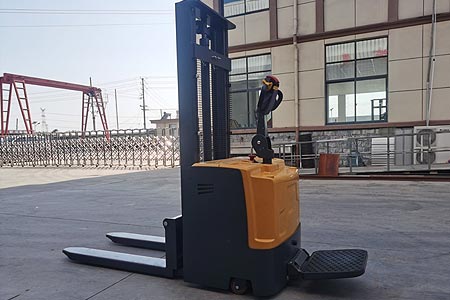
Important note: Stackers feature load‑capacity attenuation. The higher you lift, the lower the residual effective load. Do not only focus on ground‑level 1‑ton rating; always verify actual remaining capacity at your target lifting height.
Battery solution (Largest price variation, accounts for 20‑30 % of total machine cost) Lead‑acid battery: Lower upfront cost, requires regular water topping‑up, around 800‑1000 charge‑discharge cycles. Suitable for short‑duration daily shifts. Lithium‑iron‑phosphate battery: Maintenance‑free, supports fast charging, over 2000 charge‑discharge cycles. Perfect for multi‑shift continuous work. Same‑capacity lithium upgrade adds $412‑$824 to total machine price.
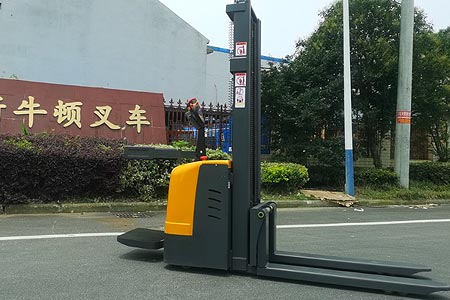
Controller and drive motor Entry‑level machines adopt ordinary domestic controllers with complete basic functions. Units fitted with imported CURTIS controller plus AC brushless drive deliver smoother acceleration‑speed adjustment, complete overload and undervoltage protection and lower failure rates, yet come with higher overall price. For long‑term heavy‑duty applications, total maintenance expenses will decrease. Low‑cost assembled machines often cut costs on electric components and suffer far higher breakdown frequency later.
When evaluating stand‑on full‑electric stacker price, do not rely merely on tonnage rating. Carry out comprehensive assessment covering full‑machine configurations and parameter specifications. Share your warehouse aisle width, real‑world lifting requirement and daily working hours, and we will deliver accurate machine proposals and formal quotations.
-
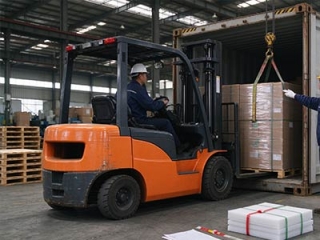 Newnewton Forklift Manufacturer, Forklift CE Certification for ExportNewnewton forklift factory offers full CE certification complying with EN ISO 3691, complete technical documents and OEM service to reduce customs detention risks.
Do you like ?0
Read more -
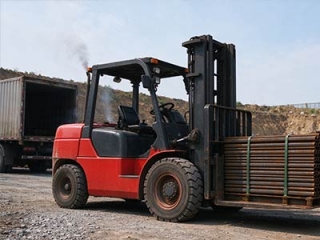 Electric Forklift Vs Diesel Forklift, Warehouse Selection GuideElectric forklift is zero-emission and quiet for indoor clean warehouses. Diesel forklift offers strong power for outdoor heavy-duty tasks.
Do you like ?0
Read more -
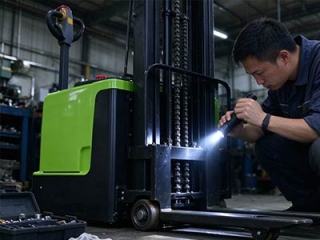 Narrow Aisle Stacker Forklift Custom Manufacturer for WarehouseCustom narrow aisle stacker for non-standard racking. Adjust body, mast and fork specs, upgrade power and protection, site survey available.
Do you like ?0
Read more -
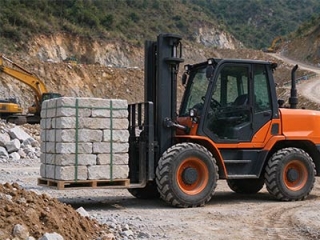 4WD All Terrain Rough Terrain Forklift Climbing for Mountain Sites4WD rough terrain forklift works on unpaved roads. Observe load climbing limit, attachments optional for forest and construction sites.
Do you like ?0
Read more -
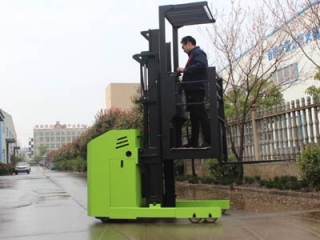 Man-Up Order Picker for High Level Picking, Suitable Warehouse ModesMan-up high level order picker for high-level split picking. Not for full pallet stacking, check rack, aisle and floor before selection.
Do you like ?0
Read more -
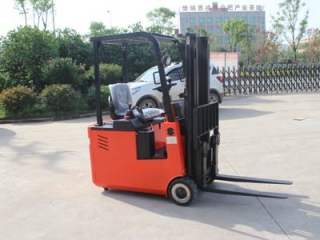 Narrow Aisle Operation Of Three-Wheel Forklift With Compact Turning RadiusThree-point electric forklift features small turning radius for narrow aisles. Reserve safety margin and check floor condition during selection.
Do you like ?0
Read more