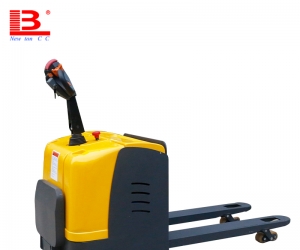
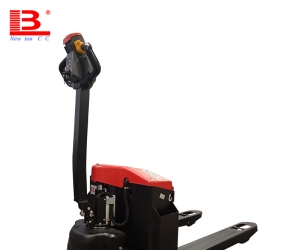
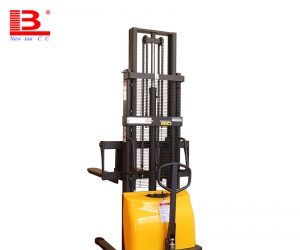
If you want your warehouse equipment to deliver long-term, reliable performance, mastering routine care is essential. A common question among users is How to Maintain Lithium Walk-behind Stacker, and these simple steps will help you extend service life and cut repair costs.
The Electric Walk-behind Stacker relies on three core systems to operate smoothly, and targeted maintenance on each will prevent premature wear and unexpected breakdowns.
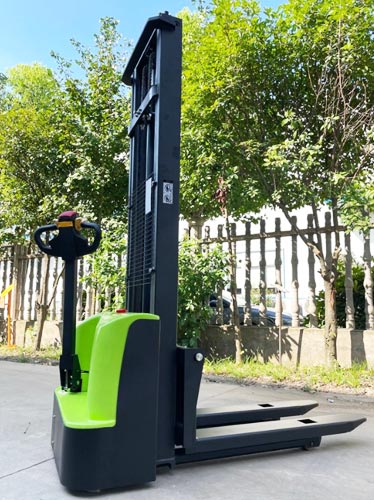
Battery Care for Long Endurance
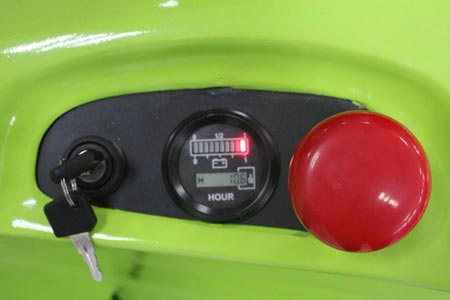
The lithium battery is the power core of the equipment. Always follow the "shallow charge, shallow discharge" rule: recharge when power drops to around 20%, and never let the battery fully drain. Use only the original charger in a dry, well-ventilated area, away from moisture, high heat, and open flames. Clean dust from the battery surface regularly and check that terminals are tight and free of corrosion. For long-term storage, top up the battery every two weeks to prevent aging from deep discharge.
Wheel and Axle Inspection
Wheels take constant ground contact, so they easily pick up debris and wear out quickly. Before and after each shift, clear dirt, plastic, and other debris from the wheel gaps. Inspect polyurethane wheels and guide wheels for uneven wear, cracks, or unusual noise, and replace them when damaged. Tighten axle bolts periodically to ensure smooth rolling and steering, reducing wobble that strains the frame.
Hydraulic System Maintenance
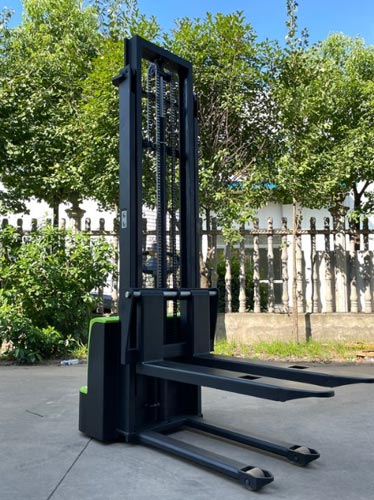
Check hydraulic oil levels regularly and top up with the correct fluid if low. Replace oil if it appears dark or contaminated. Inspect cylinders, hoses, and seals for leaks, and replace worn parts immediately to prevent pressure loss. Lubricate mast rails and chains evenly to reduce friction, ensuring forks move up and down smoothly without jolting or noise.
Following these simple steps will help keep your stacker working reliably for years. If you need more guidance on care or operation, feel free to contact us.
-
 Newnewton Forklift Manufacturer, Forklift CE Certification for ExportNewnewton forklift factory offers full CE certification complying with EN ISO 3691, complete technical documents and OEM service to reduce customs detention risks.
Do you like ?0
Read more -
 Electric Forklift Vs Diesel Forklift, Warehouse Selection GuideElectric forklift is zero-emission and quiet for indoor clean warehouses. Diesel forklift offers strong power for outdoor heavy-duty tasks.
Do you like ?0
Read more -
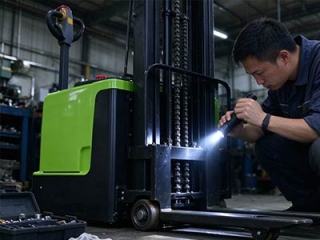 Narrow Aisle Stacker Forklift Custom Manufacturer for WarehouseCustom narrow aisle stacker for non-standard racking. Adjust body, mast and fork specs, upgrade power and protection, site survey available.
Do you like ?0
Read more -
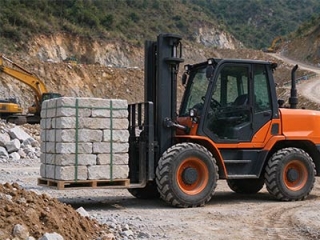 4WD All Terrain Rough Terrain Forklift Climbing for Mountain Sites4WD rough terrain forklift works on unpaved roads. Observe load climbing limit, attachments optional for forest and construction sites.
Do you like ?0
Read more -
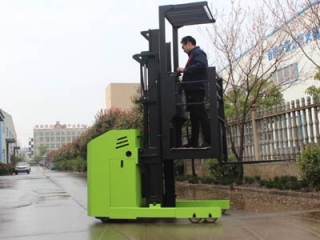 Man-Up Order Picker for High Level Picking, Suitable Warehouse ModesMan-up high level order picker for high-level split picking. Not for full pallet stacking, check rack, aisle and floor before selection.
Do you like ?0
Read more -
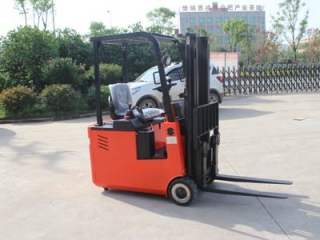 Narrow Aisle Operation Of Three-Wheel Forklift With Compact Turning RadiusThree-point electric forklift features small turning radius for narrow aisles. Reserve safety margin and check floor condition during selection.
Do you like ?0
Read more