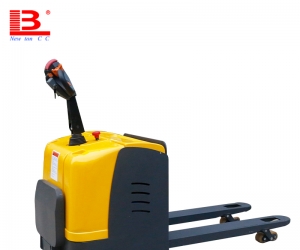
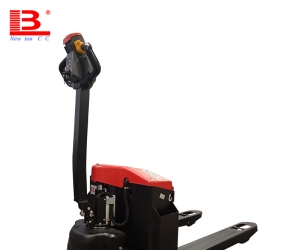
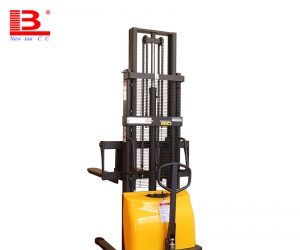
Stand-on Counterbalance Stacker: Standard Aisle Width for Warehouse Use
Many warehouse managers struggle with equipment selection due to unreasonable aisle space. To solve layout confusion, it is critical to figure out suitable aisle width for counterbalance stacker before procurement, avoiding pallet collision, equipment jamming and unnecessary budget waste.
The stand-on counterbalance stacker features flexible passing performance and adapts to different warehouse aisle conditions, with clear width standards for different operational scenarios.
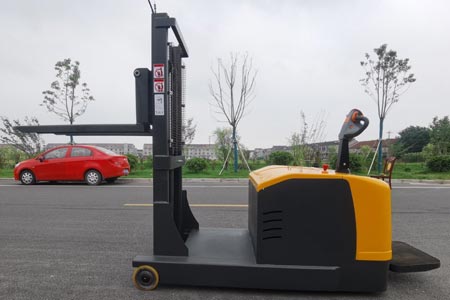
For extreme compact passage, the stacker can pass through 2.6–2.7m aisles with folded pedals and a compact body state. This mode is only suitable for short-distance straight driving and small-angle turning, not for long-term frequent operation.
For daily regular warehouse work, an aisle width of 2.8–3.0m is the most practical. It supports smooth 90-degree pallet picking and placing with sufficient safety margin, perfectly matching most medium and small warehouse handling scenarios.
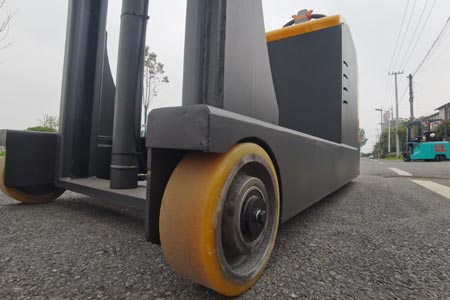
For high-standard safe operation, a 3.0–3.2m aisle is ideal. It allows full-load operation, unfolded pedals and simultaneous staff passage, ensuring broad vision, unobstructed movement and lower accident rates.
Custom ultra-narrow models achieve an extreme aisle width of about 2.0m, adopting an ultra-thin body and ultra-small turning radius. This customized type is limited to a load capacity of 1.5 tons or less for special narrow warehouse layouts.
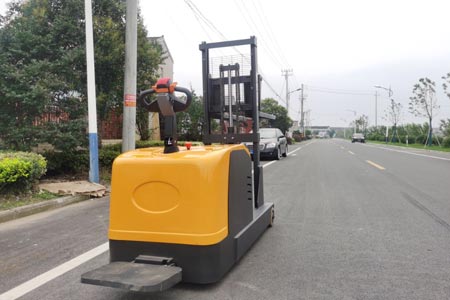
In actual selection, the turning radius should be matched with common pallet sizes, including mainstream domestic and international specifications. Always reserve a certain tolerance space according to the actual site environment.
With stable overall performance and strong scene adaptability, the stand-on counterbalance stacker is the preferred equipment for modern warehouse stacking. Contact us for professional parameter matching and customized solutions!
-
 Newnewton Forklift Manufacturer, Forklift CE Certification for ExportNewnewton forklift factory offers full CE certification complying with EN ISO 3691, complete technical documents and OEM service to reduce customs detention risks.
Do you like ?0
Read more -
 Electric Forklift Vs Diesel Forklift, Warehouse Selection GuideElectric forklift is zero-emission and quiet for indoor clean warehouses. Diesel forklift offers strong power for outdoor heavy-duty tasks.
Do you like ?0
Read more -
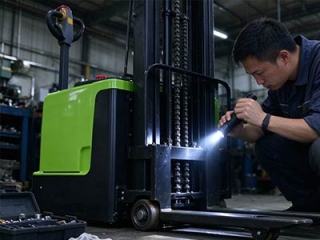 Narrow Aisle Stacker Forklift Custom Manufacturer for WarehouseCustom narrow aisle stacker for non-standard racking. Adjust body, mast and fork specs, upgrade power and protection, site survey available.
Do you like ?0
Read more -
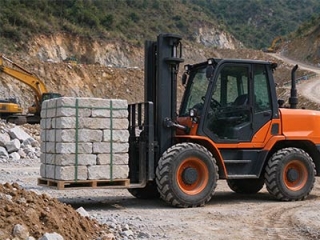 4WD All Terrain Rough Terrain Forklift Climbing for Mountain Sites4WD rough terrain forklift works on unpaved roads. Observe load climbing limit, attachments optional for forest and construction sites.
Do you like ?0
Read more -
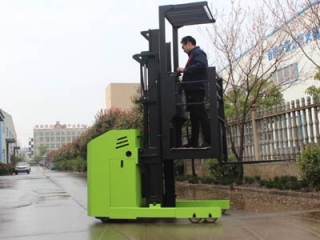 Man-Up Order Picker for High Level Picking, Suitable Warehouse ModesMan-up high level order picker for high-level split picking. Not for full pallet stacking, check rack, aisle and floor before selection.
Do you like ?0
Read more -
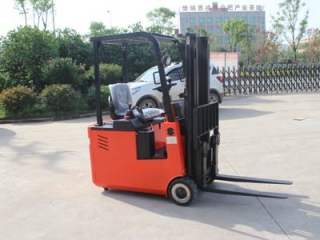 Narrow Aisle Operation Of Three-Wheel Forklift With Compact Turning RadiusThree-point electric forklift features small turning radius for narrow aisles. Reserve safety margin and check floor condition during selection.
Do you like ?0
Read more