Electric Counterbalance Stacker | Is Ride-On Type Suitable for Warehouse
Many warehouse owners wonder Is Ride-On Counterbalance Stacker Worth Buying, especially for 1.5 to 2 ton models. This guide analyzes actual working conditions, structural advantages, applicable scenarios and cost performance, helping you make a reliable procurement decision.
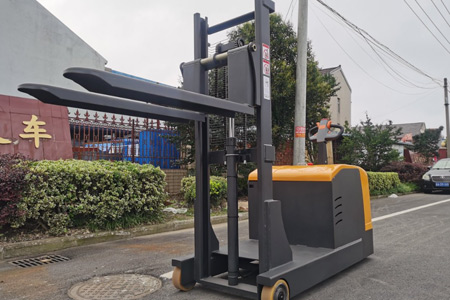
The biggest feature of the Electric Counterbalance Stacker is no front support legs and adopts counterweight design. It will not be restricted by pallets or cargo obstruction, unlike leg-type stackers that easily get stuck with non-standard pallets. The 1.5-2 ton capacity perfectly covers raw material and finished pallet transportation for most small and medium factories, making it a common and practical specification without budget waste or insufficient load capacity.
In terms of operation experience, the ride-on design is easy to learn with simple worker training. Travel and lifting run smoothly with a small turning radius, suitable for narrow aisles above 2.2 meters. Compact and flexible, it supports indoor short-distance handling as well as stacking and unloading for 3-5m low-level racks, doubling overall working efficiency.
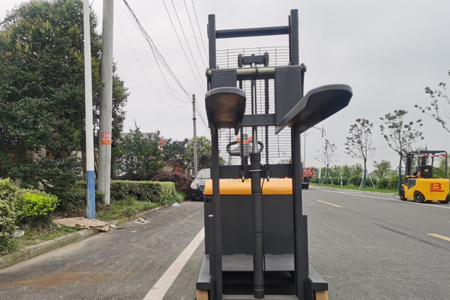
Equipped with lithium battery power, it delivers stable endurance and continuous operation for 6 to 8 hours after full charge, meeting all-day warehouse inbound and outbound turnover. Ideal for hardware, pipe materials and heavy finished goods stacking, it features reasonable counterweight design, anti-tilt performance and complete safety protection configuration.
From cost performance and practicality, the 1.5-2 ton Electric Counterbalance Stacker works perfectly for small and medium factories, e-commerce warehouses, sites with many non-standard pallets and narrow aisles. Without restriction on pallet types, general load capacity, labor-saving operation and stable lithium battery life, it reduces labor costs and adapts to multiple scenarios.
Contact us for quotation and customized warehouse handling solutions.
-
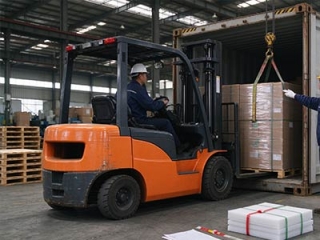 Newnewton Forklift Manufacturer, Forklift CE Certification for ExportNewnewton forklift factory offers full CE certification complying with EN ISO 3691, complete technical documents and OEM service to reduce customs detention risks.
Do you like ?0
Read more -
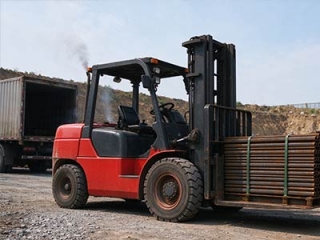 Electric Forklift Vs Diesel Forklift, Warehouse Selection GuideElectric forklift is zero-emission and quiet for indoor clean warehouses. Diesel forklift offers strong power for outdoor heavy-duty tasks.
Do you like ?0
Read more -
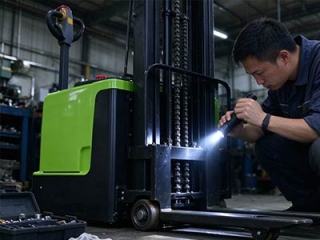 Narrow Aisle Stacker Forklift Custom Manufacturer for WarehouseCustom narrow aisle stacker for non-standard racking. Adjust body, mast and fork specs, upgrade power and protection, site survey available.
Do you like ?0
Read more -
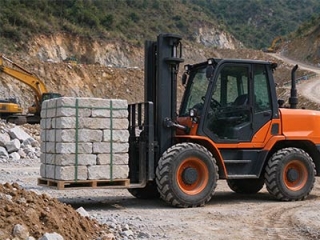 4WD All Terrain Rough Terrain Forklift Climbing for Mountain Sites4WD rough terrain forklift works on unpaved roads. Observe load climbing limit, attachments optional for forest and construction sites.
Do you like ?0
Read more -
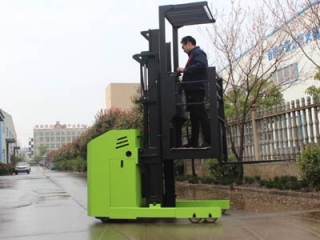 Man-Up Order Picker for High Level Picking, Suitable Warehouse ModesMan-up high level order picker for high-level split picking. Not for full pallet stacking, check rack, aisle and floor before selection.
Do you like ?0
Read more -
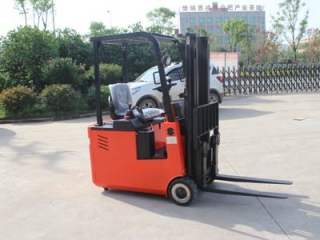 Narrow Aisle Operation Of Three-Wheel Forklift With Compact Turning RadiusThree-point electric forklift features small turning radius for narrow aisles. Reserve safety margin and check floor condition during selection.
Do you like ?0
Read more