
Technical requirements for 2-ton electric traction vehicles in complete conditio
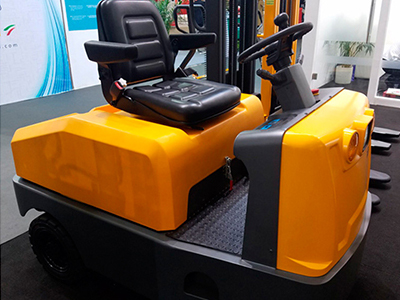
Technical requirements for a 2-ton electric tractor in complete condition:
In today's increasingly mature manufacturing technology of electric traction vehicles, electric forklift manufacturers will also have higher and stricter technical requirements for electric traction vehicles. The technical requirements for electric traction vehicles are divided into several aspects, including direction control, speed control, power control, and so on. However, regardless of the technical parameter requirements, the purpose is the same, which is to improve the user experience while operating safely.
1. The steering wheel should rotate flexibly, and the free angle (i.e. idle return) should not exceed 15 °.
2. When the front wheel rotates in a stationary state, the horizontal shear force driving the steering wheel should not exceed 784N (kgf).
3. The brake transmission system can indeed operate, and when the brake pedal action is 15mm, the brake should be able to hold the brake wheel tightly.
4. The electrical equipment of electric traction vehicles should be installed correctly, and the wiring should be neat and aesthetically pleasing. All instruments, lighting, indicators, audio switches, and fuses should be fully configured and displayed accurately.
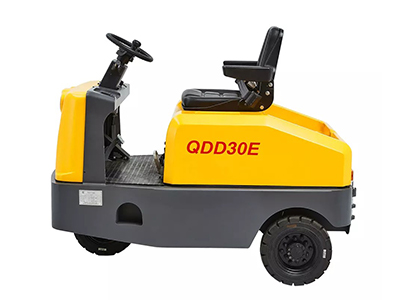
5. The manufacturer of electric forklifts sets the voltage of the battery pack to be greater than 40V.
6. When the tractor is fully loaded, the hand brake should be able to reliably stop on a 1% slope.
7. The starting speed of the tractor should be flat without any impact.
8. When the tractor is driving at full speed, there should be no abnormal noise or other abnormal situations; The vehicle body should not have obvious swinging.
9. When the tractor is driving, the electrical system should not have sparks leaking out.
10. On a flat cement road surface, when the tractor is fully loaded, the maximum speed should not be less than 5km/h, and the emergency braking distance should not exceed 1.5m.
The above are the technical requirements for electric traction vehicles in their complete state, and the electric forklift manufacturer will share them with you.
-
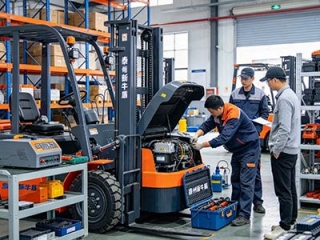 Taizhou newnewton Forklift Manufacturer IntroductionAvoid selecting warehouse forklifts only by unit price. Check site conditions, certificates and after-sales. Newnewton, Taizhou source factory, provides full product range, CE certification, customization and reliable spare parts supply.
Do you like ?0
Read more -
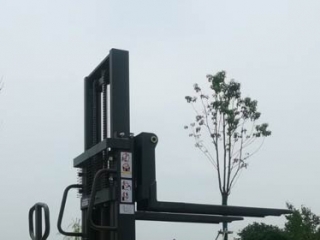 Semi-electric Stacker vs Manual Stacker Cost ComparisonWhen buying stacking equipment for small warehouses, compare semi-electric stackers and manual stackers from cost, efficiency and maintenance to balance upfront expense and long-term investment.
Do you like ?0
Read more -
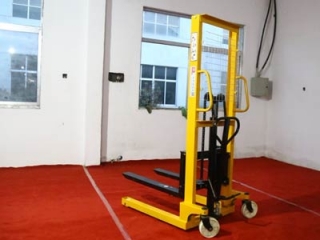 CE Certification for Manual Hydraulic StackerNewnewton manual hydraulic stackers exported to EU need CE certification complying with 2006/42/EC and EN1757-1, including safety assessment, technical documents and product compliance checks.
Do you like ?0
Read more -
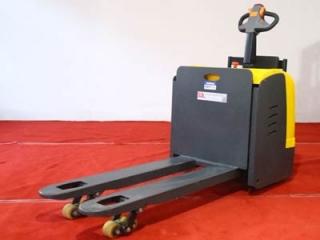 Stand-on vs Walk-behind Electric Pallet Truck ComparisonUnderstand the differences between stand-on and pedestrian electric pallet trucks in operation, efficiency, aisle requirements and costs. Choose the right model based on warehouse scale, transfer distance and order volume.
Do you like ?0
Read more -
 Operation Notes for Electric Self Elevating TruckPedestrian electric stackers cover tiered brand options with different features. International brands offer stable performance at high cost, while domestic brands and factory suppliers provide better cost performance and customization.
Do you like ?0
Read more -
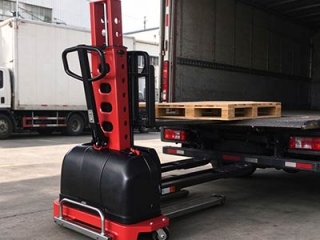 Operation Notes for Electric Self-elevating Truck | Truck Mounted Forklift SafetTruck-mounted self-loading forklifts fixed on truck tails handle cargo without loading docks. Control load and cargo gravity, inspect equipment and avoid soft slopes to prevent tipping and falling goods.
Do you like ?0
Read more








