
Semi-electric stacker is widely adopted in most small and medium warehouses for short-distance cargo handling and stacking, helping reduce labor intensity and cut manual costs. Many buyers ask how much does a semi-electric stacker cost. You can select suitable models and get cost-effective stacking equipment by checking the price range below.
1 ton semi-electric stacker with lifting height from 1.6m to 2.5m, basic lead-acid model, costs 5500-8000 RMB. It fits light goods and low-frequency stacking for small shops and simple storage rooms. This model features good aisle adaption and small footprint for easy storage when idle, ideal for sites with limited daily operations.
1.5 ton semi-electric stacker with lifting height from 2.5m to 3m, regular lead-acid version, costs 8000-12000 RMB. It is the most popular model on the market and meets daily pallet stacking demands for general warehouses. Most small and medium warehouses and raw material workshops with goods under 1 ton prefer this versatile model.
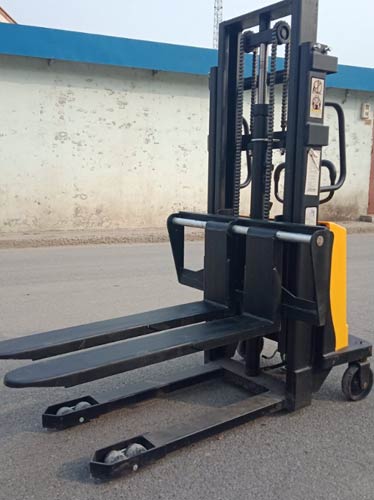
2 ton semi-electric stacker with lifting height from 2.5m to 3m, lead-acid type, costs 11000-15000 RMB. It is designed for heavier goods stacking in workshops for raw materials and finished products. The heavy-duty model adopts thicker mast steel plate and increased chassis counterweight with heavier weight, requiring relatively flat ground.
Lithium battery versions cost an extra 2000-4000 RMB for the same load capacity and lifting height. Lithium models support fast charging and maintenance-free operation with opportunity charging, suitable for warehouses with long daily working hours. Lead-acid versions have lower upfront cost but require regular water maintenance and long charging time, suitable for single-shift and low-frequency warehouses.
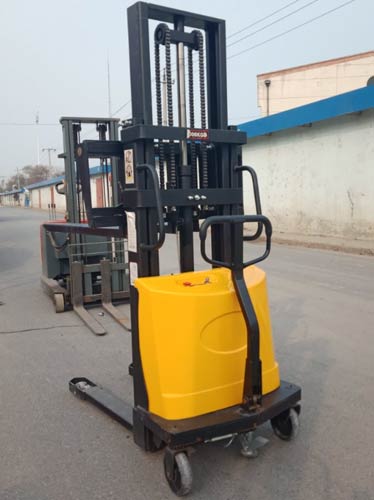
Besides load capacity and lifting height, mast plate thickness, hydraulic pump quality, wheel material and purchase quantity will affect the final quotation. Bulk orders enjoy tiered discounts from manufacturers. Polyurethane wheels are wear-resistant and quiet, while nylon wheels work well on hard ground. Different wheel options will slightly change the total machine price.
The price of semi-electric hydraulic stacker varies greatly. When you learn about material, battery type and structural design, you can easily judge its cost performance. Feel free to contact us for detailed quotation.
-
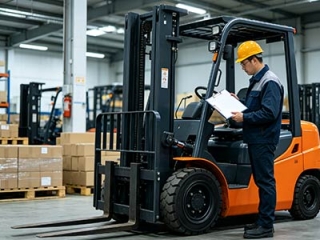 License Requirement for Warehouse Stand-on Counterbalance StackerWhether ride-on counterbalance stackers require operation certificates depends on equipment type. Operators need N1 forklift licenses for specified models to avoid regulatory risks.
Do you like ?0
Read more -
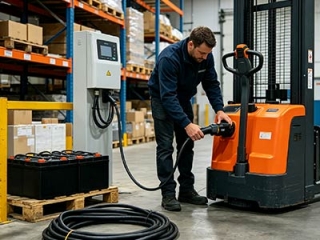 Safety Guide for Indoor Charging of Walk-behind Electric StackerImproper charging of pedestrian electric stackers causes safety hazards. Standardize charging areas, operation procedures and battery inspections to extend battery life.
Do you like ?0
Read more -
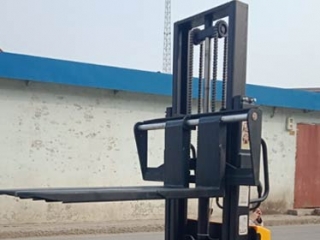 Portable Semi-electric Stacker, Pros and Cons of Semi-electric StackerSemi-electric stackers feature lightweight bodies and low costs, ideal for small warehouses with limited budgets. Learning their pros and cons helps enterprises select suitable stacking equipment.
Do you like ?0
Read more -
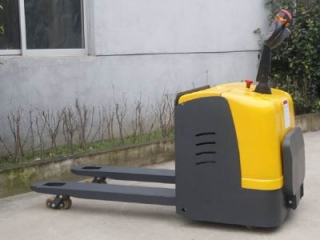 Operation Guide of Stand-on Full Electric Pallet TruckNew operators need standardized procedures for ride-on electric pallet trucks. Standard operation ensures safety, optimizes performance and reduces equipment wear in daily warehousing work.
Do you like ?0
Read more -
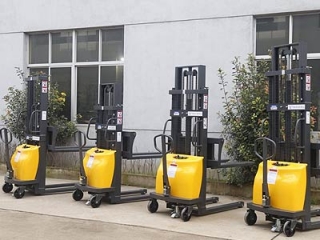 How Much Does a Semi-electric Stacker Cost? Price GuideSemi-electric stackers are cost-effective options to improve warehouse stacking efficiency. Prices vary by load capacity, lifting height and battery types for budget estimation.
Do you like ?0
Read more -
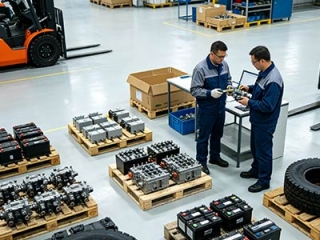 5 Strict Inspection Stages of Newnewton Forklift Before DeliveryForklift factory inspection determines equipment stability. Taizhou manufacturers adopt five testing procedures from parts sampling to full-load tests for reliable quality.
Do you like ?0
Read more








