
What should you do if your semi-electric stacker won’t lift? Most faults can be fixed easily by finding the exact causes.
Many workers have encountered this awkward situation with semi-electric stackers: the machine has power and can travel normally, but the lifting function is weak, slow, or even completely fails to rise.
Such faults delay construction progress, and hiring professional maintenance will cost extra money. In fact, most common minor faults do not require major disassembly and overhaul. You can simply check and fix them by yourself, saving time and cost.
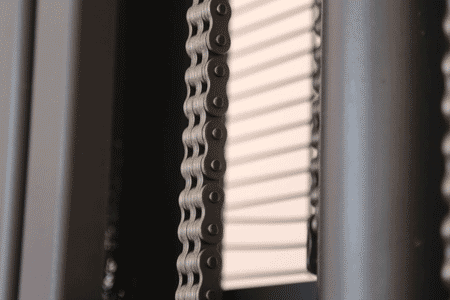
Battery Power Deficiency & Virtual VoltageThe battery shows full power but cannot support lifting operation, mostly caused by aging and virtual power. Fully charge the battery first. Replace aged batteries in time to avoid burning the motor and hydraulic parts.
Insufficient or Deteriorated Hydraulic OilLow oil level, dirty hydraulic oil or air bubbles in the oil circuit will lead to weak and unsmooth lifting. Check the oil level regularly, add matched hydraulic oil, and replace the oil if it turns black and turbid.
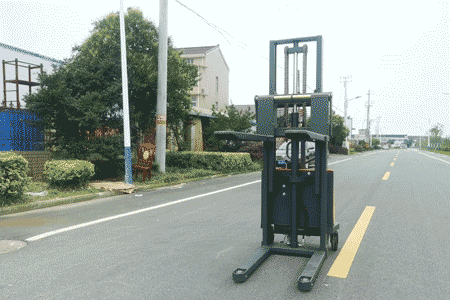
Relief Valve Pressure Too LowFactory preset low pressure or loose valve core caused by long-term vibration makes it unable to lift heavy goods. Properly adjust the relief valve pressure to restore lifting performance.
Aging Cylinder Oil Seal & Internal LeakageWorn seals cause internal leakage. It lifts empty load normally but fails with goods, and slides down automatically. Replace the seal kit and clean impurities inside the cylinder to restore tightness.
Poor Contact of Buttons and CircuitFaulty lifting button, loose wiring and oxidized contacts result in no lifting command response. Check buttons, terminals and contactors, clean oxide layers and replace damaged parts.
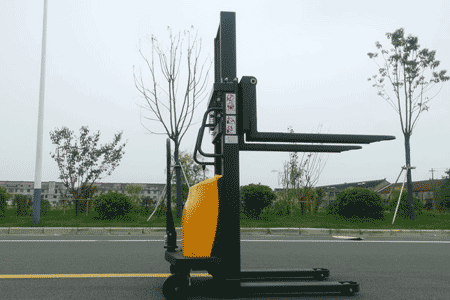
Overload & Mast StickingOverloading beyond rated capacity definitely causes lifting failure. Lack of lubrication or slight deformation of the mast rail also leads to jamming. Do not overload operation, lubricate the mast regularly and correct deformed parts timely.
Summary
When your semi-electric stacker cannot lift, follow this order: check battery → inspect hydraulic oil → adjust pressure → test circuit. Most minor faults can be solved manually. Standard daily maintenance, proper charging and regular oil replacement can greatly reduce lifting failures and extend service life.
-
 Newnewton Forklift Manufacturer, Forklift CE Certification for ExportNewnewton forklift factory offers full CE certification complying with EN ISO 3691, complete technical documents and OEM service to reduce customs detention risks.
Do you like ?0
Read more -
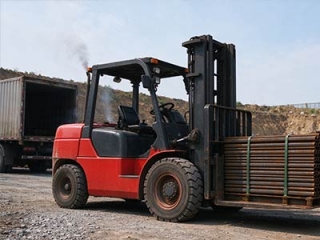 Electric Forklift Vs Diesel Forklift, Warehouse Selection GuideElectric forklift is zero-emission and quiet for indoor clean warehouses. Diesel forklift offers strong power for outdoor heavy-duty tasks.
Do you like ?0
Read more -
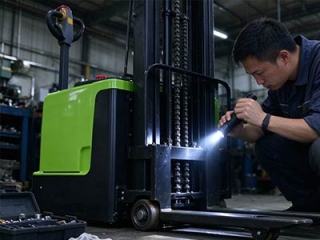 Narrow Aisle Stacker Forklift Custom Manufacturer for WarehouseCustom narrow aisle stacker for non-standard racking. Adjust body, mast and fork specs, upgrade power and protection, site survey available.
Do you like ?0
Read more -
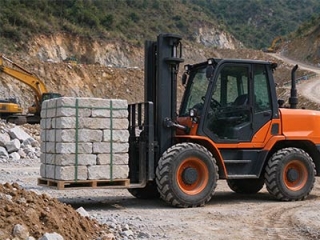 4WD All Terrain Rough Terrain Forklift Climbing for Mountain Sites4WD rough terrain forklift works on unpaved roads. Observe load climbing limit, attachments optional for forest and construction sites.
Do you like ?0
Read more -
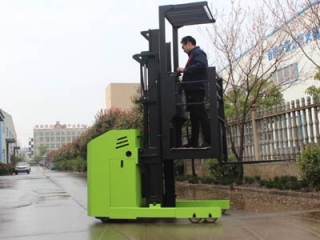 Man-Up Order Picker for High Level Picking, Suitable Warehouse ModesMan-up high level order picker for high-level split picking. Not for full pallet stacking, check rack, aisle and floor before selection.
Do you like ?0
Read more -
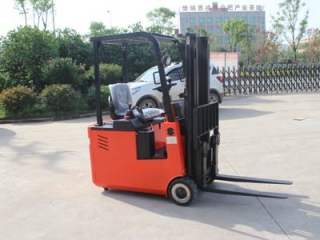 Narrow Aisle Operation Of Three-Wheel Forklift With Compact Turning RadiusThree-point electric forklift features small turning radius for narrow aisles. Reserve safety margin and check floor condition during selection.
Do you like ?0
Read more








