Is Fuel Forklift Maintenance Cost High | Guide for Private Factories
Many private factory owners struggle with the same question: Should Private Factories Buy Fuel Forklifts. Fuel forklifts feature strong power, straightforward pricing and excellent heavy-load performance, which easily attract many buyers. However, besides the initial purchase price, long-term fuel consumption, repair fees and maintenance costs also matter a lot for overall usage experience.
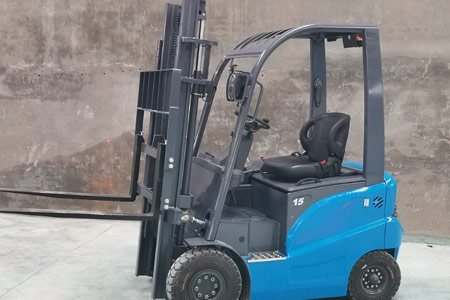
A common concern is Is Fuel Forklift High in Long-Term Maintenance Cost. Compared with electric models, fuel forklifts generally have higher long-term maintenance expenses. Equipped with engines, gearboxes, hydraulic systems and cooling components, they require regular routine upkeep with more mechanical parts to maintain.
Regular maintenance items include engine oil, oil filters, air filters, diesel filters, hydraulic oil and brake fluid replacement. Higher daily operation frequency shortens maintenance cycles and increases overall spending. In addition, continuous diesel or gasoline consumption makes fuel price fluctuations another key factor affecting long-term operating costs.
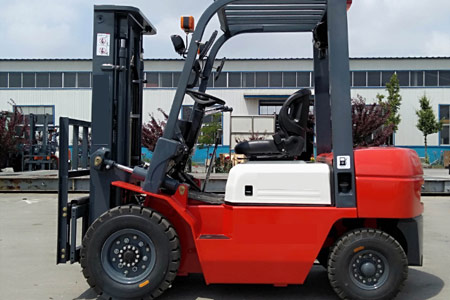
Even with higher maintenance costs, fuel forklifts still have irreplaceable advantages. They deliver powerful traction, excellent climbing performance and long continuous working hours, ideal for outdoor yards, heavy cargo handling and rough ground conditions. Fuel forklifts become the most practical option when the working environment matches their strengths.
Whether a private factory should invest in fuel forklifts depends mainly on three factors.Working environment: Fuel forklifts perform better for outdoor loading, yard transportation and building material factories, supporting high-frequency operation without waiting for charging.Load weight:
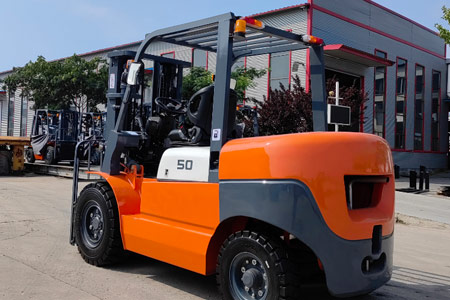
For heavy goods such as steel, stone and large mechanical parts, fuel forklifts offer stronger load capacity and stability for high-intensity handling tasks.Usage frequency: They are perfect for long daily working hours and on-demand operation. For occasional indoor warehouse use, electric forklifts or small stackers are more cost-effective.
In conclusion, fuel forklifts come with higher long-term maintenance costs than electric alternatives. The decision of Should Private Factories Buy Fuel Forklifts depends entirely on actual working conditions. Fuel models are worthy choices if you need strong adaptability for heavy-duty tasks, while electric forklifts bring better efficiency and cost savings for low-intensity warehouse work.
-
 Newnewton Forklift Manufacturer, Forklift CE Certification for ExportNewnewton forklift factory offers full CE certification complying with EN ISO 3691, complete technical documents and OEM service to reduce customs detention risks.
Do you like ?0
Read more -
 Electric Forklift Vs Diesel Forklift, Warehouse Selection GuideElectric forklift is zero-emission and quiet for indoor clean warehouses. Diesel forklift offers strong power for outdoor heavy-duty tasks.
Do you like ?0
Read more -
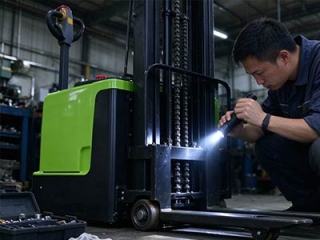 Narrow Aisle Stacker Forklift Custom Manufacturer for WarehouseCustom narrow aisle stacker for non-standard racking. Adjust body, mast and fork specs, upgrade power and protection, site survey available.
Do you like ?0
Read more -
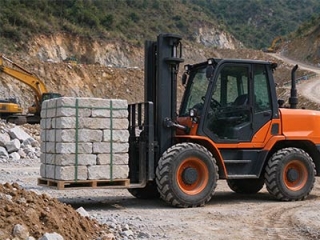 4WD All Terrain Rough Terrain Forklift Climbing for Mountain Sites4WD rough terrain forklift works on unpaved roads. Observe load climbing limit, attachments optional for forest and construction sites.
Do you like ?0
Read more -
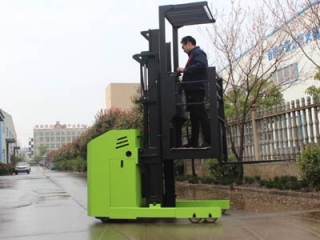 Man-Up Order Picker for High Level Picking, Suitable Warehouse ModesMan-up high level order picker for high-level split picking. Not for full pallet stacking, check rack, aisle and floor before selection.
Do you like ?0
Read more -
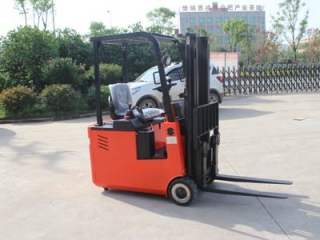 Narrow Aisle Operation Of Three-Wheel Forklift With Compact Turning RadiusThree-point electric forklift features small turning radius for narrow aisles. Reserve safety margin and check floor condition during selection.
Do you like ?0
Read more