Summer Maintenance Tips How to Maintain Lithium Battery Forklift in Hot Weather
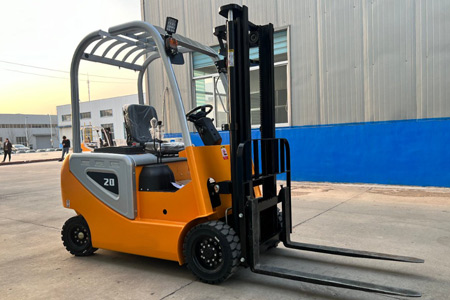
Under intense outdoor sunlight and stuffy enclosed workshops in summer, lithium battery forklifts are prone to overheated batteries, sharp range drop, electric control alarms and accelerated capacity attenuation. Many operators only use the equipment without regular maintenance, which easily leads to battery bulging and severe capacity loss within just one or two years, resulting in high replacement costs. Mastering practical high temperature forklift maintenance tips can reduce unexpected downtime and greatly prolong the service life of both the whole vehicle and lithium batteries.
Tip 1: Avoid charging in extreme heat
Never charge the forklift immediately after working under direct midday sun. Let it cool down for 30 minutes first, then start charging in cool and well-ventilated areas. Do not charge under blazing sunshine. Keep the charging space dry and airy, and place the charger away from the forklift body to avoid accumulated heat.
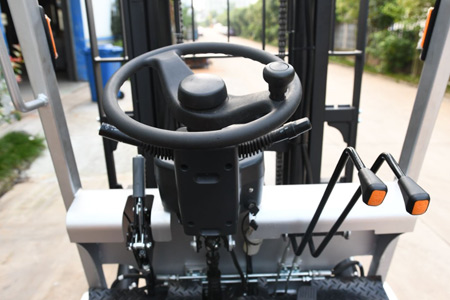
Tip 2: Reasonably arrange working hours
Avoid long-time full-load continuous operation in hot weather. Stop regularly for heat dissipation to reduce the load on motors and batteries. Cut down frequent climbing, heavy-load rapid start and sudden stop actions to slow down overall heat generation and protect electric control and driving systems.
Tip 3: Inspect heat dissipation regularly
Clean dust and debris on the battery surface frequently, and do not block heat dissipation holes. Check cooling fans and wire connectors regularly. Repair aging and overheating wires in time to prevent short circuit and fire risks caused by high temperature.
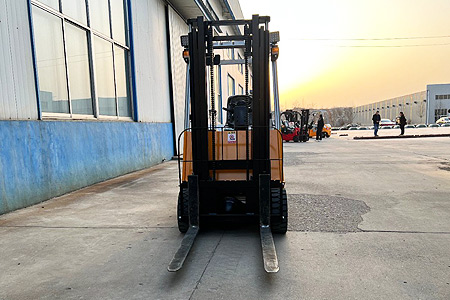
Tip 4: Correct parking methods
Do not park lithium battery forklifts in open areas exposed to strong sunlight for a long time. Choose cool warehouses or shaded places for storage. For long-term idle use, keep the battery power level between 50% and 70%. Neither fully charged nor empty battery storage under high temperature is allowed, which will cause severe damage to battery cells.
In conclusion, standard summer maintenance for lithium battery forklift effectively solves common summer faults such as system alarms, poor endurance and early battery aging. It helps you save plenty of repair and battery replacement costs, and keeps your forklift stable and low-failure all year round.
-
 Newnewton Forklift Manufacturer, Forklift CE Certification for ExportNewnewton forklift factory offers full CE certification complying with EN ISO 3691, complete technical documents and OEM service to reduce customs detention risks.
Do you like ?0
Read more -
 Electric Forklift Vs Diesel Forklift, Warehouse Selection GuideElectric forklift is zero-emission and quiet for indoor clean warehouses. Diesel forklift offers strong power for outdoor heavy-duty tasks.
Do you like ?0
Read more -
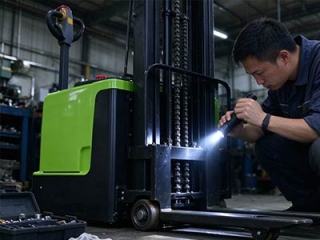 Narrow Aisle Stacker Forklift Custom Manufacturer for WarehouseCustom narrow aisle stacker for non-standard racking. Adjust body, mast and fork specs, upgrade power and protection, site survey available.
Do you like ?0
Read more -
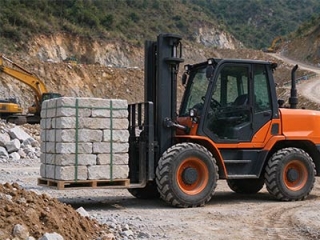 4WD All Terrain Rough Terrain Forklift Climbing for Mountain Sites4WD rough terrain forklift works on unpaved roads. Observe load climbing limit, attachments optional for forest and construction sites.
Do you like ?0
Read more -
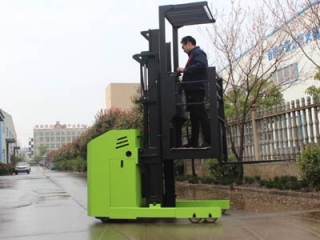 Man-Up Order Picker for High Level Picking, Suitable Warehouse ModesMan-up high level order picker for high-level split picking. Not for full pallet stacking, check rack, aisle and floor before selection.
Do you like ?0
Read more -
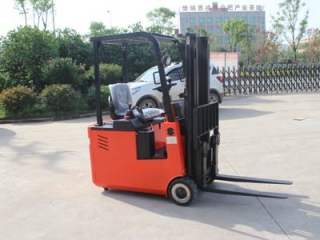 Narrow Aisle Operation Of Three-Wheel Forklift With Compact Turning RadiusThree-point electric forklift features small turning radius for narrow aisles. Reserve safety margin and check floor condition during selection.
Do you like ?0
Read more