Slow Lifting in Hydraulic Stacker? 5 Quick Fixes for Your Manual Stacker
Many warehouse operators face unexpected downtime when their equipment slows down. If you’re dealing with sluggish movement, How to Fix Slow Lifting of Hydraulic Stacker is a common question — and the good news is that most issues are easy to resolve with basic checks.
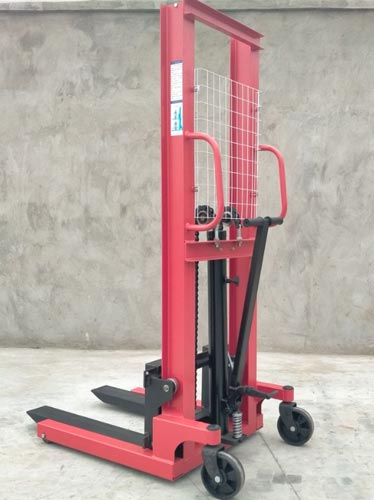
The manual hydraulic stacker relies on smooth pressure flow to handle loads efficiently, so even small problems can cause noticeable slowdowns. These simple fixes will help you get back to work quickly, without costly repairs or replacements.
Check the Hydraulic Oil Level First
Low or contaminated oil is the #1 cause of slow lifting. Open the tank and check the level against the marked line. If it’s low, top up with the manufacturer-recommended hydraulic oil. If the oil looks dark or gritty, replace it entirely to clear clogged lines.
Examine the Relief Valve for Sticking Parts
Over time, dirt and debris can jam the valve core, preventing pressure from building. Remove the valve cap, clean the internal components with a soft cloth, and lubricate lightly. If the spring inside feels weak, replace it to restore proper pressure control.
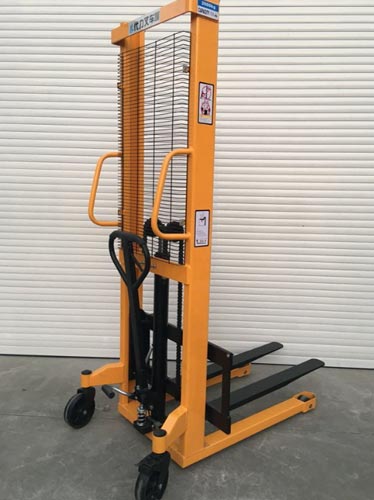
Inspect for Leaks Around Seals and Hoses
Even a tiny leak can cause pressure loss. Check all connections, hoses, and seals for damp spots or oil residue. Replace any cracked hoses or hardened seals to stop leaks and keep pressure consistent.
Lubricate the Mast and Lift Chains
Rust or lack of lubrication creates extra friction, slowing the forks down. Clean the mast rails and chains, then apply a thin layer of chain lubricant. Adjust chain tension if needed to ensure even movement.
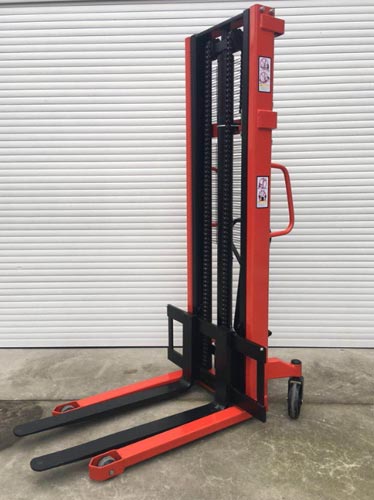
Check for Bent Rollers or Damaged Guides
Worn or misaligned rollers can cause the forks to bind. Inspect each roller for wear, and straighten any bent guide rails. Replacing damaged parts will eliminate jerky movement and restore smooth lifting.
By working through these steps one by one, you can solve most slow-lifting problems on your own. If you need help with a tricky issue, feel free to reach out for guidance — we can walk you through more advanced checks and maintenance tips.
-
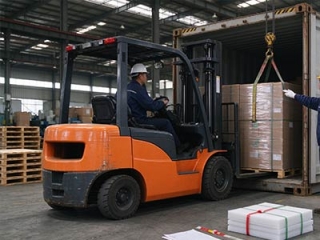 Newnewton Forklift Manufacturer, Forklift CE Certification for ExportNewnewton forklift factory offers full CE certification complying with EN ISO 3691, complete technical documents and OEM service to reduce customs detention risks.
Do you like ?0
Read more -
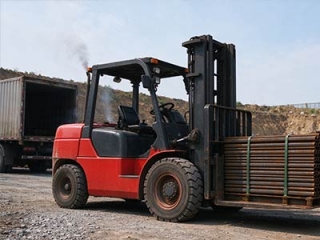 Electric Forklift Vs Diesel Forklift, Warehouse Selection GuideElectric forklift is zero-emission and quiet for indoor clean warehouses. Diesel forklift offers strong power for outdoor heavy-duty tasks.
Do you like ?0
Read more -
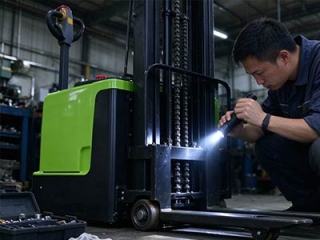 Narrow Aisle Stacker Forklift Custom Manufacturer for WarehouseCustom narrow aisle stacker for non-standard racking. Adjust body, mast and fork specs, upgrade power and protection, site survey available.
Do you like ?0
Read more -
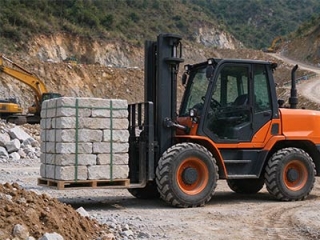 4WD All Terrain Rough Terrain Forklift Climbing for Mountain Sites4WD rough terrain forklift works on unpaved roads. Observe load climbing limit, attachments optional for forest and construction sites.
Do you like ?0
Read more -
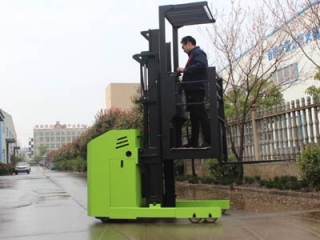 Man-Up Order Picker for High Level Picking, Suitable Warehouse ModesMan-up high level order picker for high-level split picking. Not for full pallet stacking, check rack, aisle and floor before selection.
Do you like ?0
Read more -
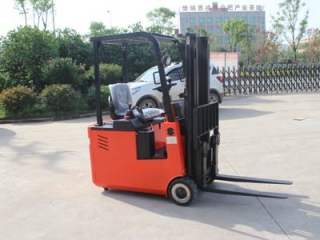 Narrow Aisle Operation Of Three-Wheel Forklift With Compact Turning RadiusThree-point electric forklift features small turning radius for narrow aisles. Reserve safety margin and check floor condition during selection.
Do you like ?0
Read more